Category Archives: Rock music

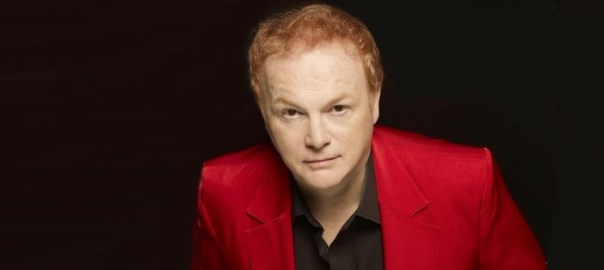
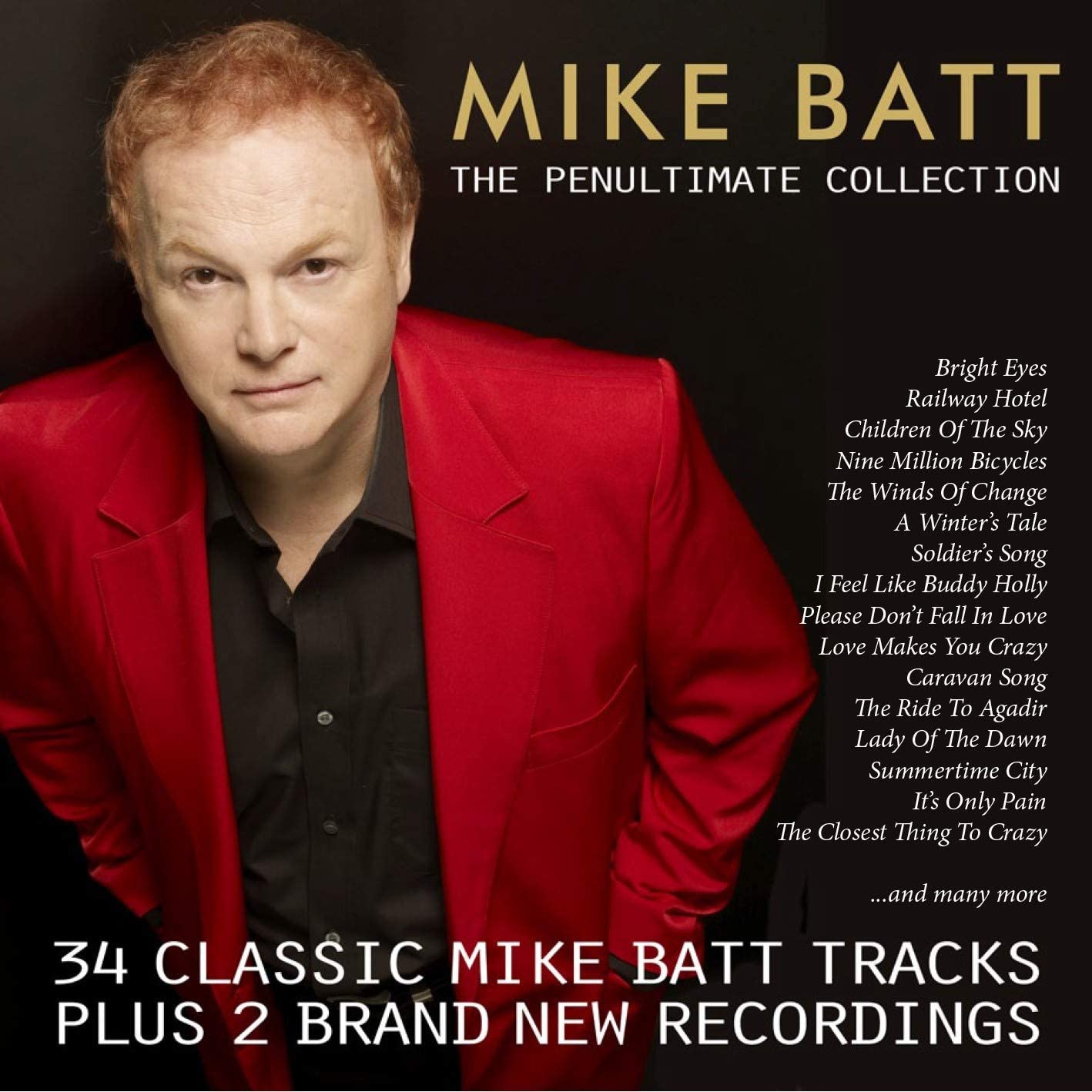
Pop/orchestral/singer-songwriter: album review: Mike Batt ‘The Penultimate Collection’

Forever destined to be most closely associated with the Wombles and ‘Bright Eyes’, the Watership Down theme sung by Art Garfunkle, Mike Batt has an illustrious CV as a performer, arranger and composer and this 36-track, 2-disc album is an expansive career retrospective.

Not only does it include selections from his original solo material, it also includes Batt’s own recordings of hits he wrote for other artists. Along with his version of the aforementioned ‘Bright Eyes’ there’s also his own versions of ‘A Winters Tale’ (a 1983 hit for David Essex) and (I Feel Like Buddy Holly’ (a 1984 hit for Alvin Stardust) –  an ideal fit for Batt’s unmistakable vocal just as much as those who originally had hits with them.

‘Summertime City’, a hit for Batt under his own name and the theme to the BBC’s Seaside Special TV series in the seventies, also gets an airing – with Batt musing: “For many years, despite its success I looked back on it with embarrassment but now I am proud of it as a good, strong pop record. I insisted that Sony ‘delete it forever’ and the rights to the song reverted to me. So this is the first time (apart from the MB Music Cube) that it has been released since 1975.”

Batt’s Wombles days are not neglected either. ‘The Wombling Song’ an a couple of others are included but not, sadly, ‘Remember You’re A Womble’ – certainly one of my favourite hits of 1974 as an 8 year-old and surely the most splendid glam rock/folk rock mash-up of all time.

The rockier more upbeat side of Batt’s career, however, is represented by tracks like ‘Imbecile’ which features Family’s Roger Chapman on vocals as well as a beautifully unmissable solo from Rory Gallagher. Chapman also contributes vocals on another track, as does the Zombies’ Colin Blunstone whose trademark vocal graces ‘Tiger In The Night’.

An instinctive ear for a pop melody, a prolific orchestral composer and an instantly recognisable voice in his own right, Mike Batt has made a major contribution to British music over the past four decades and The Penultimate Collection is a worthy retrospective. Just why oh why was ‘Remember You’re a Womble’ missed off?

Released digitally on 8th May 2020 and in physical album format on 6th June 2020

mike batt lp

https://www.mikebatt.com/

From AC/DC to ABBA: five classic glam rock singles by non-glam bands

In the early 70s the likes of Bolan, Bowie and Slade were pioneering both the sounds and the looks that would come to define glam rock. Emerging in 1971, building momentum in 1972 and absolutely dominating the UK charts by 1973, glam was everywhere by 1974. Even non-glam bands were at it.

Here we look at five bands who managed to release great glam rock singles in 1974.

1. AC/DC – Can I Sit Next To You Girl

Released as their debut single in July 1974 the original version of ‘Can I Sit Next to You Girl’ is the only AC/DC release to feature Dave Evans on lead vocals, prior to Bon Scott taking over. The band would re-record the track with Scott but here you can see and hear the original. Angus is in his schoolboy uniform, of course, but the rest of the band are looking spectacularly glammed up. And it’s not just the image that’s glam either. The vocal delivery, arrangements and guitar riff all have far more of a glam rock than a hard rock feel to them. Now I love the sleazy hard-rocking Bon Scott-era of AC/DC and wouldn’t want to change a thing – but this debut single gives a delicious glimpse of how things might have been in some parallel universe.

2. Mungo Jerry – Long Legged Woman Dressed In Black

When ‘In The Summertime’ became the band’s first big hit in 1970 Mungo Jerry’s laid-back jug-band sound couldn’t be further away from glam rock if you tried. By 1974, however, it’s blindingly clear that glam was having an influence. It’s not just lead singer Ray Dorset’s studded white leather sleeveless jacket over his bare chest, we have a drum beat that wouldn’t be out of place on a Glitter Band release and a sing-along chorus that just screams pure unadulterated glam. My particular memory of this song was at my 8th birthday party when my dad crammed me and half the kids down the street into the back of his Ford Anglia to take us to the park. On the way back this came on the radio at full volume and we had all the widows open, screaming along to it at the top of our voices.

3. The Wombles – Remember You’re A Womble

Although their first single and (the theme tune from the BBC series) epitomises the lush orchestral pop that creator Mike Batt has been associated with much of his career, for the Wombles’ second single they went down a much rockier route. Joining Mike Batt (vocals/keyboards) were session musicians Chris Spedding (guitars), Les Hurdle (bass), Clem Cattini (drums), Ray Cooper (percussion), Rex Morris (saxophone), Eddie Mordue (saxophone) and Jack Rothstein (violin). Not only was the single a brilliantly bouncy slice of glam rock but, thanks to the glorious fiddle solo, it’s a brilliant slice of folk rock, too. As such it remains the greatest glam-folk single ever made. Tim Hart of Steeleye Span kind of agreed. In his book ‘Electric Eden’ Rob Young recounts that Hart “bought a triple LP of Wombles tunes and was impressed with the clarity of it’s sub glam power pop”. Batt was hired by the band and the result was Steeleye Span’s own glam-folk smash ‘All Around My Hat’.

4. The Rolling Stones – I Know It’s Only Rock n Roll

This July 1974 single and title track of the Stones’ album later that year originally emerged out of a jam session Mick Jagger had with Ronnie Wood and Kenney Jones of the Faces, along with David Bowie and bass player Willie Weeks. The track was polished up, some guitar licks were added by Richards and a Rolling Stones classic was born. Easily the most glam-influence song the Stones produced it really reminds me of T.Rex. And, of course, if you are going to release a glam rock single you need a glam rock video to go with it. Directed by Michael Lindsay-Hogg the video shows the band dressed in sailor suits and playing in a tent which eventually fills up with bubbles. According to Keith Richards, the idea for the sailor suits came about at the last minute because none of the Stones wanted to get their own clothes ruined with detergent bubbles.

5. ABBA – Waterloo

Waterloo was written specifically as ABBA’s bid for the 1974 Eurovision Song Contest, after the group finished third with ‘Ring Ring’ in the contest for Sweden’s entry the previous year. With a driving guitar riff and a rocking upbeat tempo the song was quite a departure from the romantic ballads of previous European winners and, indeed, of ABBA’s later releases. Throw in the knee-high silver platforms, the glittery costumes and the star-shaped guitar and ‘Waterloo’ is a glam rock classic in all but name. Indeed, Abba themselves had cited ‘See My Baby Jive’ by English glam rockers Wizzard as a major influence at the time. My Nana, who was babysitting for us that night, let us stay up to watch them win Eurovision.

Related posts:

‘The Sweet in the 1970s’ by Darren Johnson – published 30th July 2021

Before glam: the debut 60s singles of Bowie, Bolan, Slade, Mud and Sweet

The Sweet versus Bowie: the riff in Blockbuster and Jean Genie – origins and influences

Slade, strikes and the three-day week: the story of the greatest Christmas record ever made

Book review: ‘On Track: Hawkwind – every album, every song’ by Duncan Harris

This review was originally published by Get Ready To Rock here

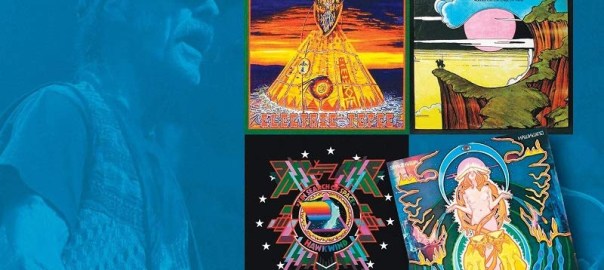
‘Hawkwind – every album, every song’ is another volume in Sonicbond’s ‘On Track’ series, this time taking on the Herculean task of documenting the prolific adventures of Dave Brock’s gang of space rockers in the recording studio over the past five decades.

Author, Duncan Harris, takes us on an album-by-album, track-by-track tour of every Hawkwind studio album, from the folk, busky and “startlingly melodic but totally unrepresentative ‘Hurry On Sundown’ (the opening track on the band’s eponymous 1970 debut) through to ‘The Fantasy of Faldum’ (the “sprawling, acoustic rock-based finale” of their most recent 2019 album ‘All Aboard The Skylark’).

Harris is never short of an opinion on any of Hawkwind’s vast output and his pithy one-paragraph assessments take us through the highs (‘Master Of The Universe’ from 1971′s ‘In Search Of Space’ is “the jewel” “the definitive Hawkwind song”) and the lows (‘Turner Point’ from 1982′s ‘Choose Your Masques’ is “by universal common consent… the worst piece of so-called music ever officially released under the name Hawkwind”).

The publication, of course, includes Harris’s take on the actual hit single ‘Silver Machine’ (“once the swirling fluttering synthesisers are removed, turns out to be somewhat bland rock and roll more suited to the 1950s than the 1970s”) as well as ‘Quark, Strangeness and Charm’ “the hit single that never was but should have been” (“a bouncy new wave tune that suggests Squeeze were avid listeners”).

Besides all the officially-released studio albums, Harris also includes a handful of essential live albums and a couple of albums from Hawkwind spin-off projects, giving us a grand total of thirty-two albums being pored over.

The book is also a hive of information about the band’s ever-fluctuating personnel and shifting musical direction.

Rather than simply giving us a standard intro piece to each album, as other authors in the series have done, Harris also groups the albums into eras representing different phases in the band’s evolutionary history. This allows for some additional context-setting over a defined period rather than each album simply being looked at as a momentary snapshot in time.

Accordingly, we get the Dawn of The Hawks era covering the early days, The Day of The Hawks era covering the Lemmy period as well as later phases such as the band went through new wave of heavy metal influenced and techno-dance influenced stages, for example.

A fascinating well-researched book written by someone who, although you definitely won’t agree with him on everything, clearly has an unquenchable passion for the band and a detailed knowledge of its history. While Harris’s book has not filled me with a desire to seek out every Hawkwind album ever recorded I certainly came away with renewed respect and genuine affection for this most remarkable of bands.

Published: Sonicbond Publishing 26th March 2020

Hawkwind every

Related reviews:

Book review: ‘On Track: Fairport Convention – every album, every song’ by Kevan Furbank

Hawkwind at The Old Market, Hove 2014

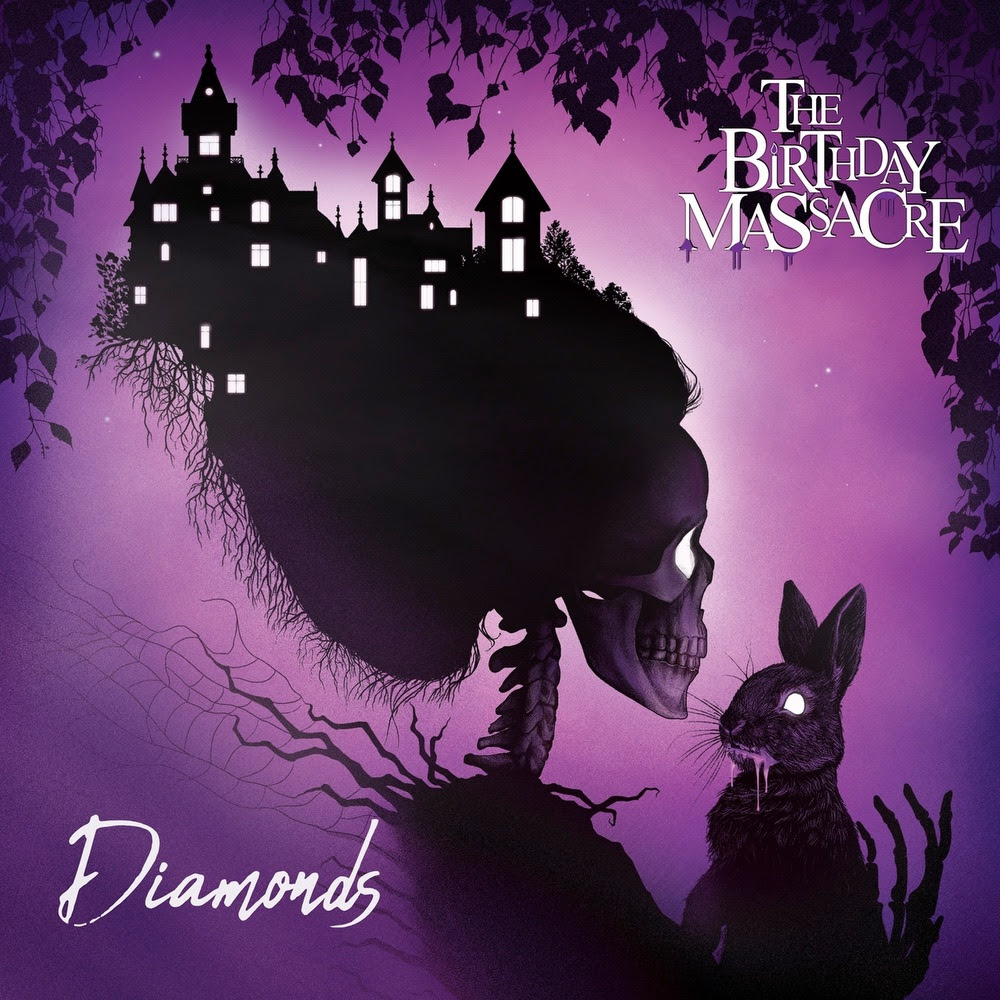
Gothic rock – album review – The Birthday Massacre ‘Diamonds’

This review was originally published by Get Ready To Rock here

Diamonds is the eighth studio album from Canadian gothic rock outfit The Birthday Massacre. That genre embraces a whole range of musical styles, of course, and the influences here lean heavily towards the electro-pop end of the goth spectrum. Indeed, listening to the album immediately transported me back to some of the alternative club nights I went to as a sixth former in the 80s when I was occasionally allowed to hang out with the much cooler kids.

Their first since 2017′s Under Your Spell, Diamonds offers up nine brand new songs from the Toronto-based six-piece. Personally, I’d have preferred them to have upped the rock quotient with a bit more guitar and a bit less synth.

The former is not entirely absent though and there’s some nice moodily atmospheric riffs from guitarist Rainbow and some appealing solos from lead guitarist Falcore but they do tend to get drowned out in the mix somewhat.

Of what there can be no complaints about at all, however, is lead singer Chibi’s vocals as she delivers that trademark sweetness with a slightly dark undercurrent that works so perfectly for this genre.

Engaging vocals, catchy melodies, evocative atmospherics and enigmatic lyrics Diamonds is a strong product from The Birthday Massacre. Whether you completely fall in love with it or merely appreciate the depths of creativity and emotion that have gone into producing it will really depend, as a rock fan, on just how much you love electro-pop.

Released by Metropolis Records 27th March 2020

birthday cover

http://www.thebirthdaymassacre.com/home.html


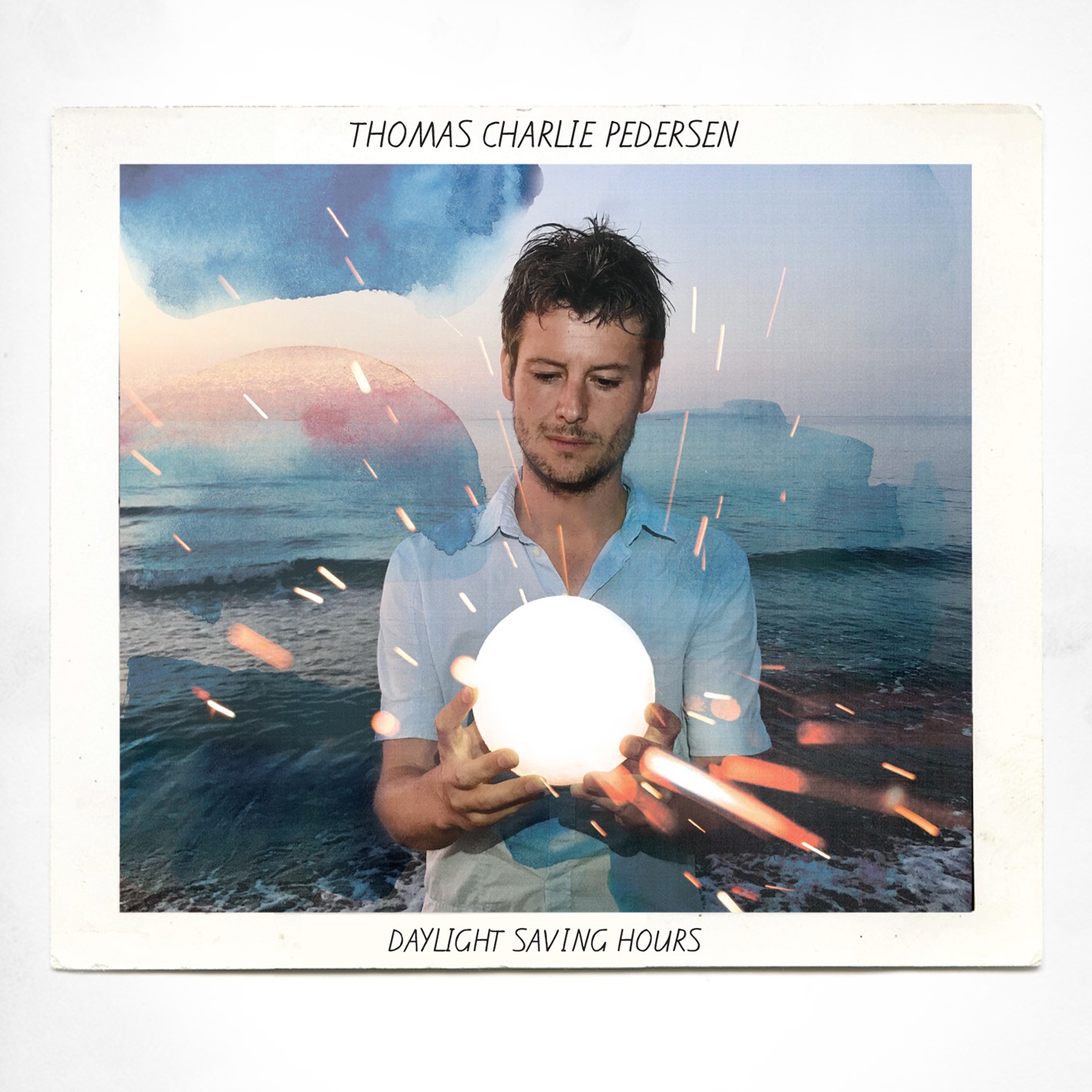
Singer-songwriter: album review – Thomas Charlie Pederson ‘Daylight Saving Hours’

Daylight Saving Hours is the second solo album from Thomas Charlie Pederson, lead singer and guitarist with Danish alt-rockers Vinyl Floor. Unlike the guitar-driven indie rock of Vinyl Floor, however, Pederson’s solo offering takes a mellow acoustic minimalistic approach, continuing in the vein of his first solo album Second Hand War released in 2016.

Recorded at the apartment of his brother (and Vinyl Floor’s drummer) Daniel, who also produced and mixed the album, Pederson states, “The project started out as demo recordings but I’ve decided to release these songs because I want to present them as raw as possible and because I want to preserve the feel of how they were written.”

The 14 songs on the album are centred mainly around Pederson’s vocals and either his piano playing or his acoustic guitar. For all it’s stripped back intimacy, however, the album does not lack polish, with Pederson’s brother providing some lovely atmospheric flourishes with additional string and organ arrangements. The result is an instinctively sympathetic backdrop to Pederson’s contemplative lyrics and melancholic delivery.

“Unlike the first album – which was quite introvert and personal – the new album sees me writing mostly about other people with a strong emphasis on the lyrics and melody and a few lyrical wordplays thrown in for good measure,” Pederson adds. “ I write about the commitments of love, illusionists, other worldly interference, melancholia, women in trouble and the different aspects of getting older.

Given my own music tastes I very much empathise with those musicians who enjoy exploring both their rock side and their acoustic side. An album of intimate lyrics and appealing melodies Thomas Charlie Pederson more than proves his worth as a singer-songwriter with Daylight Saving Hours.

Released by Karmanian Records 7th February 2020

daylight

https://www.facebook.com/thomascharliepedersenmusic/

News: 40th anniversary re-release for Hunter/Ronson/Van-Zandt-produced classic by the Iron City Houserockers

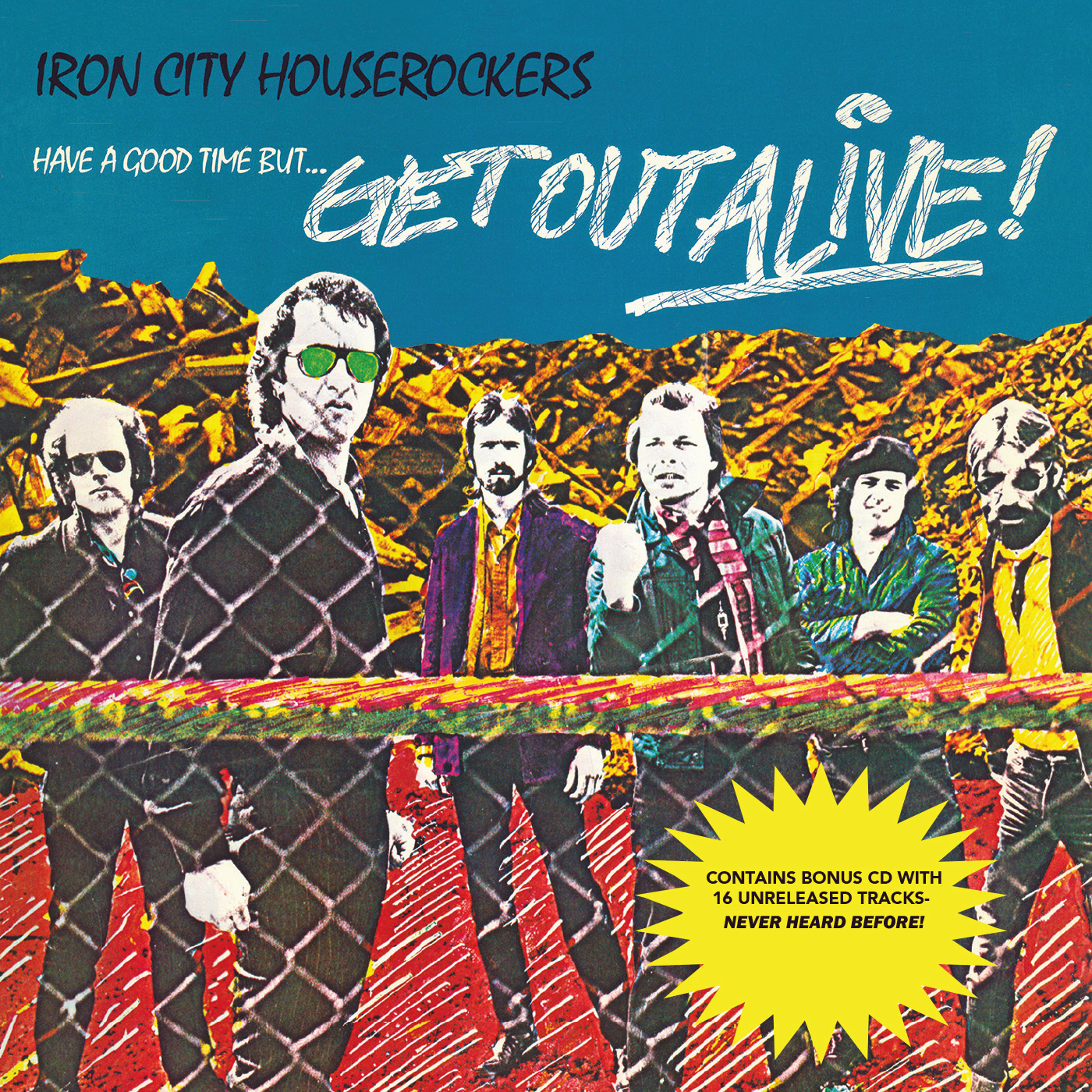
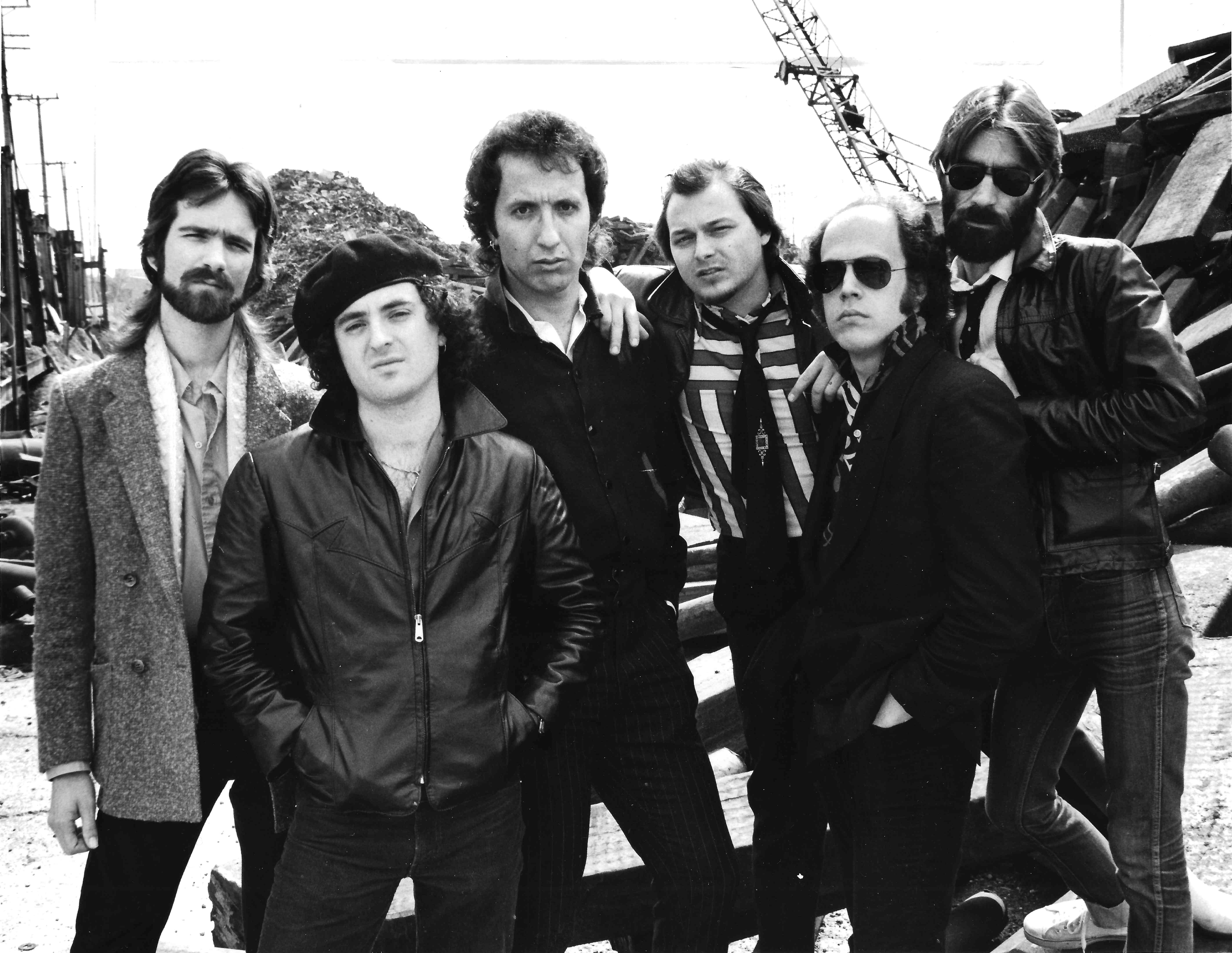
Forty years ago former Mott and Bowie alumni Ian Hunter and Mick Ronson teamed up with Steven Van Zandt (Bruce Springsteen and Southside Johnny), co-producers the Slimmer Twins (Steve Popovich Sr. and Marty Mooney) and the Iron City Houserockers to create the band’s legendary second album Have a Good Time (But Get Out Alive).

Hailed by Rolling Stone magazine at the time as “a new American classic” Cleveland International Records is now releasing the album as an expanded 40th anniversary deluxe reissue on 22nd May.
iron Get-Out-Alive-CD-Cover

Although their debut album Love’s So Tough essentially took the band’s live show and brought it to the studio, they were looking for something more far-reaching for the follow-up. Lead singer Joe Grushecky wrote the title track ‘Have a Good Time (But Get Out Alive)’ at the time Pittsburgh’s steel industry was “going down the chutes,” he says. 

“I started really zeroing in on the characters of Pittsburgh, the people who lived in my neighbourhoods, the guys who were coming out and seeing us play every night,” says Grushecky. “The whole identity of Pittsburgh was changing.”

During one particular show, as the audience was becoming a bit too enthusiastic, Grushecky told a fan, “Man, have a good time, but get out alive!” He suddenly realised he had a great song title, which ended up becoming the moniker for the album as a whole.
Iron-City-Houserockers-01

Grushecky credits Van Zandt for making him a better writer by encouraging him to make every lyric of every song count and guiding him through that process. “Steve was great with arranging,” he says. “He gave invaluable input and ideas to the band.”

Ronson and Hunter may have looked the archetypal rock and roll stars of the day, but Grushecky recalls the reality being somewhat different. “They were salt of the earth guys and they were a team,” he says. “You could tell the strong affection they had for each other. It was an honour for me to work with both of them. I’ll say that to my dying days. It was just a tremendous experience for me.”

Ian Hunter looks back fondly on his time working with the band:

“Joe and the Houserockers were and are an actual rock and roll band. So many ‘rock and roll’ bands are not real – they just look and act like they are – and fool people most of the time. These guys are for real – and what a lovely man Joe is.”

Iron-City-Houserockers-04

In the liner notes Grushecky offers his own reflection of the record that emerged:

“We had great songs and the band was smoking,” he writes. “We all knew something special was happening. The results were a mixture of Pittsburgh rock and roll, Jersey Shore savvy and soul, and English mystic and muscle. Add a dash of Cleveland moxie and an anything goes attitude and a legendary album was born.”

The core group was Grushecky on vocals and guitar, Gil Snyder on piano and vocals, Ned E. Rankin on drums, Art Nardini on bass, Marc Reisman on harmonica and background vocals, and new recruit Eddie Britt on guitar, who replaced founding member Gary Scalese following an injury.

Featuring many of the Houserockers’ signature tunes like ‘Pumping Iron, ‘Junior’s Bar’, and, of course, the title track, the album is released by legendary indie label Cleveland as a remastered two-CD set that includes a bonus disc with 16 previously unreleased tracks of demos and other rarities. The new vinyl edition will include a download card of those same 16 tracks to go with a vinyl replica of the original album.

Cleveland International Records was originally launched in 1977 by Steve Popovich and was relaunched in 2019 by Popovich’s son.

More information at www.clevelandinternational.com

Have a Good Time (But Get Out Alive) is released on 22nd May 2020

Related posts:

Cleveland Rocks – iconic independent record label relaunches

Mott The Hoople at Shepherds Bush Empire 2019

Ian Hunter at Shepherds Bush Empire 2016

Ian Hunter at Giants of Rock 2016

Mott The Hoople Fan Convention 2016

Ian Hunter at Shepherds Bush Empire 2014

Elvis songs before Elvis – the origins of six iconic Presley classics

From Hound Dog to Always On My Mind the original versions of six classic Elvis songs

1. Hound Dog

Written by songwriting team Jerry Leiber and Mike Stoller when they were both still in their teens, ‘Hound Dog’ was created specifically for blues singer Big Mama Thornton. It was recorded in 1952 and released in 1953. Rather than being seen as just a rough early prototype of a tune Elvis would later make famous, Thornton’s version of Hound Dog is rightly regarded as iconic in its own right, helping lay the foundations of black R&B in rock music. The song has cemented Thornton’s place in rock ‘n’ roll history, even if she never made more than a few hundred dollars from it. Presley’s version was released three years later in 1956.

2. Are You Lonesome Tonight?

We go right back with this one. ‘Are You Lonesome Tonight?’ was written by Vaudeville songwriters Roy Turk and Lou Handman in 1926. Numerous versions were recorded in the late 1920s but the first was by Charles Hart, in 1927. In 1950, the Blue Barron Orchestra recorded a version and the song became a staple of crooners of the era. In his final months of national service with the US Army, Elvis began considering new material for his return to a recording career. Presley’s manager, Colonel Tom Parker, suggested ‘Are You Lonesome Tonight?’ – the song being a favourite of Parker’s wife. Presley’s version was released in November 1960.

3. Suspicious Minds

‘Suspicious Minds’ was first written and recorded in 1968 by Mark James. Here we hear it taking shape as a soulful pop ballad. While the arrangements on the James version are virtually identical to those on the Elvis version recorded a year later. the magic is somewhat lacking. After spending much of the 60s churning out B movies, ‘Suspicious Minds’ was one of the songs recorded by Elvis in the Memphis recording sessions following the success of his televised 68 Comeback Special. Recorded in January 1969 it was released in August 1969 and became Elvis’s first number one in several years.

4. The Wonder of You

Written by Thomas Baker Knight Jr. ‘The Wonder of You’ was first recorded by film actor/singer Vince Edwards in 1958 but never released. A year later a version was released by Ray Peterson who had a Top 30 hit with it in both the US and the UK. It would be 1970, however, before Presley took Peterson’s sugary, sentimental teen ballad and transformed it into the bold, dramatic and unforgettable version that we know today. Presley recorded a live version of the song in Las Vegas in February 1970 and it is this  live version of the song that was released as a single in April 1970.

5. An American Trilogy

‘An American Trilogy’ is actually three songs. The “Oh I wish I was in the land of cotton” bit is from ‘Dixie’ which became an anthem of the confederacy in the Civil War. The “Glory, Glory Hallelujah” bit is from a song called ‘Battle Hymn for the Republic’ which was the marching anthem of the opposing federal anti-slavery Union Army. And the “Oh, hush little baby don’t you cry” bit is from ‘All My Trials’ said to have emerged out of African American spirituals. Country musician and composer Mickey Newbury had the idea of bringing the three together, representing three strands in America’s troubled history, for his 1971 album and a subsequent single. Presley introduced ‘An American Trilogy’ to his concert set-list in January 1972. A live recording was made the following month which was released as a single but although it became a staple of Presley’s live shows, paradoxically, the single didn’t do as well in the US charts as Newbury’s original.

6. Always On My Mind

A love song expressing deep regret to a departing lover ‘Always On My Mind’ was written by Wayne Carson, Johnny Christopher and Mark James. Mark James, of course, we already know as the writer and original singer of ‘Suspicious Minds’. ‘Always On My Mind’ was first recorded by BJ Thomas in 1970 but the first version to be released was by Gwen McCrae in 1972. Presley recorded his version shortly after separating from his wife, Priscilla, and it was released in November 1972. Here we can hear both the BJ Thomas and the Gwen McCrae versions.

Related Posts:

Sun studio visit

Five classic albums whose musical legacy outlived all the people playing on them

The death of Elvis is relayed to a caravan in Morecambe. August 1977

Book review: ‘On Track: Fairport Convention – every album, every song’ by Kevan Furbank

This review was originally published by Get Ready To Rock here

The ‘On Track’ series by publishers Sonic Bond provides an album by album, track by track overview of a number of artists. The latest in the series to get this treatment are British folk-rock legends Fairport Convention. Author, Kevan Furbank, takes us on a fascinating journey through each of the band’s thirty studio album’s, from 1968’s self-titled debut to this year’s Shuffle and Go.

Each entry begins with a factual summary of personnel, recording information and release dates, followed by a brief potted history the album’s genesis and the band’s fortunes at the time it was recorded. That is then followed by Furbank’s review of each track. Having read a fair few books on folk-rock, Fairport and some of their leading personnel, most of the history was familiar to me. However, Furbank really comes into his own with his pithy and usually very insightful track by track reviews. And what he’s superb at doing is capturing the familiar styles of different Fairport personnel as well as some of the band’s most used external songwriters. ‘Tale In Hard Time’ one of Richard Thompson’s early songs on 1969’s What We Did On Our Holiday, for example, is thus introduced as “another of Richard’s gloomy/jaunty songs, an upbeat rhythmic number with slit-your-wrists lyrics” beautifully summing up a whole canon of classic Thompson output.

Furbank is also meticulous at pointing out where the band have returned to a song, as they have done on frequent occasions, and making comparisons with the earlier versions – or highlighting where the band have returned to a similar lyrical theme or musical arrangement in a different song. So if, like me, you were thinking I’m sure they’ve recycled that Eddie Cochran riff for one of those fifties rock n roll – meets trad folk song mash-ups just once too often, this book will tell you exactly which song and which album they tried it on first and where (perhaps unwisely) they thought it was a good idea to try it again.

I read the book over a single weekend, often playing the relevant albums as I turned the pages. I thoroughly enjoyed the author’s critical insights even if I did not always agree them. For those familiar with Fairport Convention’s history this will be a fascinating sit-down read, as well as a really useful reference for the future. However, if you are a Fairport fan looking to learn more this shouldn’t be the first book you read on the band. Start with Clinton Heylin’s ‘What We Did Instead Of Holidays’ or Mark Eden’s ‘Electric Eden’ or the band’s own authorised biography first and you will enjoy what this book has to offer all the more.

Published 26 March 2020 by Sonic Bond

812etL8YFhL

Related reviews:

Fairport Convention at Bexhill 2020

Fairport Convention at Cropredy 2017

Album review – Fairport Convention ‘Come All Ye: The First Ten Years’

Fairport Convention – 50th anniversary gig at Union Chapel 2017

Fairport Convention at Cropredy 2014

Fairport Convention at Union Chapel 2014

Iain Matthews in Etchingham 2016

Album review – Fairport Convention ‘What We Did On Our Saturday’

Album review – Ashley Hutchings ‘From Psychedelia to Sonnets’

Album review – Ashley Hutchings ‘Twangin’ ‘n’ a-Traddin’ Revisited’

Album review – Sandy Denny ‘I’ve Always Kept a Unicorn: The Acoustic Sandy Denny’

Fotheringay at Under the Bridge, London 2015

Fotheringay at Great British Folk Festival 2015

Richard Thompson at Royal Festival Hall 2015

Richard Thompson at Folk By The Oak 2014

Album review – Richard Thompson ‘Acoustic Classics’

Judy Dyble at WM Jazz at The o2

Albion Christmas Band at Kings Place 16/12/14

News: 40 years of Thunderstick celebrated with limited-edition live album – released 20/3/20

Something Wicked This Way Came – Live in France

Released 20/3/20 on Roulette Records

Order from: https://www.roulettemedia.uk/thunderstick-store

By way of marking forty years since the emergence of the infamous masked drummer ‘Thunderstick’, who became the iconic figure for the then burgeoning ‘New Wave Of British Heavy Metal’ movement, his eponymously-named band are ready to release their first ever official live album. The limited-edition CD will be released by Roulette Records on 20th March.

Thunderstick’s alter ego and creator Barry Graham Purkis announces: “I am so happy to announce that after 40 years of ‘Thunderstick’ a live album will be released this month to celebrate. Comprising both Thunderstick and Samson material with the odd ‘cover’ thrown in for good measure, there has never been any official recordings of the band in concert before so for us this is pretty damn special..!!”

Lead singer Raven Blackwing adds: “I am really excited about the upcoming release of our live album ‘Something Wicked This Way Came’ Thunderstick live in France. The whole gig was a blast from start to finish with so many new friends made, a beautiful way for me to cherish that memory of that performance. It’s my first album with the band and I’m really hoping that people listening to it will pick up on the enjoyment that I and the guys had on stage that night. Much love Raven xx”

Live in France - cover artwork

Recorded live in France in November 2019 the album features a full concert with the following track listing:
Riding With The Angels
Go Sleep With the Enemy (I Dare Ya)
Earth Mother
Buried Alive
Dark Night Black Light Monologue Teenage Suicide)
Dark Night Black Light
Vice Versa
Witches Trial
Blackwing …… The Curse
Dark Princess Thunder
Thunder Thunder
Time Warp

Best known for his time with Samson and an early Iron Maiden Barry Graham Purkis (AKA Thunderstick) has been the legendary icon for the NWOBHM (New Wave Of British Heavy Metal) scene since the late 70s. His eponymously named band, renowned for its female fronted power rock and theatricality, have a considerable heritage. The band played live and recorded for six years both in the UK and in the United States until playing their last gig in October 1986.

Then In 2016 former lead vocalist, Jodee Valentine, tragically died. In recognition of her memory Barry decided to record some songs that Jodee had performed live. This became the ‘Something Wicked This Way Comes’ album, the first new Thunderstick product in over thirty years. It was released in July 2017 to enthusiastic reviews worldwide. Following the success of the album Barry put a live band together who have brought the Thunderstick magic to a series of festival dates and live gigs. Now signed to Roulette Records an eagerly-anticipated follow-up studio album is currently being recorded and is scheduled for release in July 2020.

Baz Crowcroft, the band’s resident artist has, once again, delivered spectacular artwork for the album. He was responsible for the artwork on the last album as well as the recent single ‘Go Sleep With The Enemy’. He will, of course, also be creating artwork for the forthcoming new studio album in the summer.

The full Thunderstick band line-up is:

Vocals – Raven Blackwing
Drums – Barry Graham Purkis aka Thunderstick
Guitar – Vinny Konrad
Guitar – Lee Quenby
Bass – Rex Thunderbolt

Facebook: https://www.facebook.com/thunderstickofficial/
Roulette Records: https://www.roulettemedia.uk/

Visit to the birthplace of British rock ‘n’ roll – the 2i’s coffee bar, Soho

London has been getting better at celebrating its rock ‘n’ roll history in recent years. More blue plaques are going up, you’ve got attractions like the Hendrix flat and generally more and more effort is being made to mark some of London’s historic musical legacy. One place you might want to take a look at if you’re in central London is Poppies Fish & Chips restaurant on Old Compton Street in Soho. True, the fish and chips are indeed very tasty but of interest to rock fans is the fact this premises at 59 Old Compton Street was once the legendary 2i’s coffee bar.

2is outside

The 2i’s name came from the cafe’s original owners, Freddie and Sammy Irani, who ran the venue until 1955. They then leased it out to two wrestling promoters, Paul Lincoln and Ray Hunter, who opened it as a coffee bar in April 1956.

2is old

In his book ‘Roots, Radicals and Rockers – How Skiffle Changed The World’ Billy Bragg writes of the day that the Vipers skiffle group turned up at the 2i’s in need of refreshment after taking part in the Soho Fair parade on 14th July 1956.

“The proprietor of the 2i’s was happy to have the band playing in his cafe. He’s been trying to draw customers in by employing singer Max Bard… but that wasn’t bringing in the teenagers. These guys seemed to have that young sound, so as they finished up their coffees and headed back out into the rowdy rush of the Fair, he invited them to come back and play any time. They promised to return the following week.”

There’s a nice little Pathé news clip here of the 2i’s in action.

Live music performances took place in the coffee bar’s basement which had room for around twenty people and the Vipers became the resident band there. However, during a break in one of the Vipers sets a young guy named Tommy Hicks took to the stage to sing some rock ‘n’ roll. Hick was soon talent-spotted, renamed Tommy Steele and had his first single out ‘Rock With The Cavemen’.

2is display

Numerous future recording stars would go on to perform and be discovered at the 2i’s. These include Cliff Richard and the Shadows, Vince Eager, Adam Faith, Carlo Little, Joe Brown, Clem Cattini, Eden Kane, Tony Sheridan, Albert Lee, Johnny Kidd, Ritchie Blackmore and Big Jim Sullivan.

“When Hank and I came to London at the age of 16 we went to the 2 I’s coffee bar to be discovered, as did Cliff as did lots of other people,” recalled the Shadows’ Bruce Welch in a documentary.

2is plaque

The 2i’s closed towards the end of the 60s, becoming a series of cafe bars and restaurants. A plaque was installed in September 2006 but it was only with the opening of Poppies Fish & Chips restaurant in 2016 that they really went to town in celebrating the venue’s historic legacy. There’s old photos on the walls, part of the old painted plasterwork has been uncovered and there’s a neon sign at the top of the stairs to the basement recreating the coffee bar’s famous logo.

And the basement? Now it’s just the gents and ladies toilets and a narrow corridor with some memorabilia on display but you can pop down there and think about all of those who performed down here and helped shape the course of British rock history.

2is neon

Related posts:

Visit to the Hendrix Flat, London

Visit to the legendary Sun Studios, Memphis

Book review: ‘Roots, Radicals & Rockers – How Skiffle Changed the World’ by Billy Bragg

Peter Donegan: interview with Americana singer-songwriter and son of skiffle legend, Lonnie Donegan