Category Archives: Interviews

Interview with Mark Laff – X Generation X

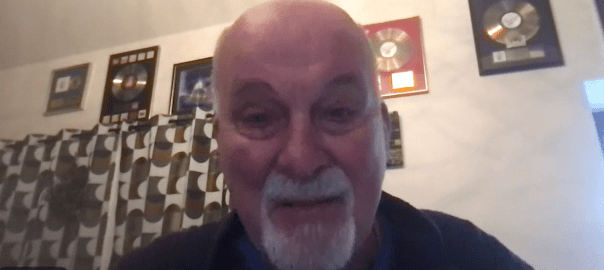
In November, Generation X drummer, Mark Laff, tours with his new project X Generation X – featuring Mark, alongside Westworld’s Elizabeth Westwood on vocals, Spandau Ballet’s Steve Norman on guitar and Vice Squad’s Michael Giaquinto on bass. I catch up with Mark to discuss the emergence of punk, the rise and fall of Generation X and the forthcoming UK tour.

So, the first question: we’ll go right back to the beginning. It’s coming up to 50 years, what are your reflections on the emergence of the punk scene in the UK in ’76?

For me, at the time, it was a situation whereby you felt with the bands that you liked, they had stepped across a great divide. And you really were not connected anymore. So, when the punk rock thing came you had an opportunity to get involved or not. I took the chance to get involved.

The emergence of it was incredible for me. I was a big fan – I still am a big fan – of the Sex Pistols. All the bands to me were making a statement, which I felt I could connect to and was, most importantly, really exciting.

Mark Laff – Photo Credit: Olga Rozewin Photography 

After playing with Subway Sect, as punk was taking off, you then got a call to join Generation X in time to make their first album. How did that come about, moving from Subway Sect to Generation X?

Well, I won’t pass this one lightly because I’m eternally grateful to all the members of Subway Sect and The Clash camp for almost parental guidance, really. Subway Sect was a wonderful opportunity and great guys.

I think what’s important to say, just for the record also, is that I auditioned for The Clash the same day as Topper Heaton did. And Topper got it. I didn’t. And they liked what I was doing and offered me back to another situation, which I initially was told was with a guitar player, Keith Levine. But over the weekend, the Subway Sect drummer had left to join the army. So, I did the audition with the guys. Really liked it, went upstairs to Bernard (Rhodes – Clash/Subway Sect manager). And he said, “What do you think?” I said, “Yeah, let’s do it”. And he said, “Have you got a passport? I said, “No.” He said, “Well, can you get one by Wednesday? We’re going to Paris on Thursday.”

So, it was a dream come true from playing the drums at a really early age. And to be thinking those things maybe aren’t possible. To be in that situation where somebody says, “Get a passport, you’re going to Paris.” I’d never been abroad, Darren!

It was incredibly exciting. You had the Buzzcocks. You had the Jam on some of the dates. You had the Slits. You had the Subway Sect, and of course the Clash. This was like watching the future happen all on one night!

So, hearing the Generation X tape, I thought I really like that. So halfway through the tour, I was at Dingwalls in London. And who was there? John Ingham, who was the manager of Generation X. And we got chatting, and he said, “Why don’t you come down?” So, there was a little gap in the middle. I went for an audition. I didn’t hear anything back and I was just pleased that I went really because I was making myself available. I decided within myself that I probably wasn’t going to stick with the Subway Sect for a period much longer than the tour. And it really was just a musical thing. I wanted a bit more chaos. So, the tour started, I think, in St Albans and Tony James came up to me and said, “You’ve got the job.”

So, I finished the tour and literally we finished at Dunstable – California Ballroom. The drum kit came off the stage into the manager’s car and we were off. It was a seamless transition from one band to another.

And you toured with Generation X and then you made the first album?

Well, there were some rehearsals to be done and… actually the first few dates weren’t too successful. We were falling a little bit flat. And as it happened we ended up at Dingwalls and it all clicked. And record companies were there and the interest started. And yes, the rest is music history, I suppose.

We tried to stick with our first plan, which was to work with high-end engineers who knew their stuff. And we went in to do ‘Your Generation’, which was always gonna be the first single. I really liked that song. And ‘Day By Day’ was the B-side. And it didn’t work in the studio. We kind of realized, everybody realized, that the song was just falling a little bit short. We kind of thought, well where do we go with this? So, in discussions with the record company, Chrysalis Records, we decided to go with a guy called Phil Waiman who had, at the time, a real notable resume.

Yes, Sweet, Mud, Bay City Rollers and all that from the glam era a few years before.

And he was a drummer and he knew what he was doing. And we got to record… four songs, three and a half really. Well, we did some more but it just wasn’t clicking. It wasn’t clicking, I don’t think, with Billy and Tony with Phil. Probably a little bit too sweet-sounding.

So, we ended up with Martin Rushent. I don’t mean that to sound as a failing, Martin was fantastic in creating ‘the room’. He was like almost the fifth member of the band in terms of conversation and making sure everyone was happy. Just getting it to feel good in the room because, you know, we were young guys then, 18, 19. Tony was a lot older, but we were still young people and a little bit naïve. Wet behind the years with it all. So, he created a great feeling. And I think that’s the feeling that people really like after all these years on the first album.

It absolutely stands up as a classic rock and roll album. Absolutely.

Thank you very much.

And then looking at the second Generation X album, I believe you clashed with producer, Ian Hunter, in the studio. Ian is one of my all-time musical heroes so I will be fascinated to hear a little bit about this (laughs). But was that a frustrating album to make and was that the beginning of the end in terms of your involvement?

Yes, yes and yes are the short answers. But I will colour it in for you. I should say that we arrived at that situation with Ian Hunter because we’d released ‘Your Generation’, which did well but it didn’t chart in the Top 30. And we went with ‘Wild Youth’ – which again did well, but it didn’t chart Top 30. You’ve got to understand we signed a very big record deal that year. I think it was the biggest record deal of the year.

Then we stuck out ‘Ready Steady Go’, which did well again, got a lot of radio play. It was a real fans’ favourite, but it didn’t chart particularly well. We were aiming for Top 30. All of these got Top of the Pops performances so the record company dug deep and suggested that we go with somebody that we liked. Tony and Billy were all over the Mott The Hoople thing. I thought they were okay. It wasn’t my favourite band. I had a couple of records but I understood the process there.

We were all asked who should produce it. I went out on a limb and said I think Jimmy Page should produce us because he’ll make it sound incredibly different and very, very rock and roll.

You could already feel that commerciality was coming onto the table. “We’ve got to get commercial. We have to have hits to pay back the debt so that we can blah blah blah…” And especially America. So, Ian came in, and it was a rehearsal room in Camden, Chalk Farm I think. Atlantic rehearsal rooms.

And we worked a song. Ian didn’t like my drum kit. It was a Premier drum kit, and he said, “This is shit. You need a Ludwig.” Because his drummer had a Ludwig and they obviously sounded much, much better than mine. And Ludwig drums do sound rather sweet, especially the maple ones. So, he said, “Get yourself a Ludwig kit.” And, of course, I didn’t have the money for that. Ludwig drums are an absolute fortune, so it was a very difficult situation for me. We had to record the drum track three times. So, I had to layer it, layer it, layer it. You’ve got to understand here, I’m 18, 19. This is all too much for me, you know? It would have been too much for Phil Collins! Plus getting the right feel and not playing together was a different dynamic to control for me and for everybody else.

So anyway, we came out with ‘King Rocker’, which was a hit record. Very successful. So, everybody suggested that we move forward with Ian and go again. We did a second single called ‘Valley of the Dolls’. I was under pressure again. He wanted this four-on-the-floor, with a drum machine. There were no proper drum machines at the time, so I had to listen to this bossa nova beat and try and play a straight rock beat over that. So, it was a hellish experience, once again. I really like that song, I really like both those songs, ‘King Rocker’ and ‘Valley of the Dolls’. Playing with the drum machine was a bridge too far for me at the time.

We got it done. I was happy with it. He didn’t like the fact that it was taking that amount of time to do it. We got it done in an afternoon, but he wanted it done in three takes. So, I was at home one night. I think we’d been just rehearsing and I got a call very late in the evening about a band meeting. I think it was like one o’clock in the morning. Ridiculous you know. I went across and I was told that Ian had said, “Look, there’s a deal on the table for you here. We want you to seriously think about this.” Ian’s take on it was he didn’t want to spend that amount of time on the drums. I understand that. He felt that  time was better spent on Billy’s vocals, and certainly the guitar playing. I get that. The deal was three takes. If you’re not done in three takes, we need somebody else to come in and do it very quickly. So, I was under pressure again to do this. I was given a choice of either Clive Bunker from Jethro Tull…

…and listen, punk rock fans don’t like to hear it, but I like Jethro Tull. I really do. Some of the songs, they are fantastic, especially the early stuff…

So, I had the choice of either Clive or Paul Thompson – Roxy Music. I don’t think Paul was available so Clive came in and was very, very supportive. He saw the pressure. He understood the situation and it was a pleasant working relationship with him and me. So, I think I did all the tracks and Clive did some tracks, and we did some tracks together.

And I was in a strange situation, Darren, because I’d be playing the drums, with Clive over there playing, and I’m thinking, “This is nuts! Why is he recording two drummers?” It was a bizarre situation. What really threw me off was that I was very emotionally involved in terms of influence with a drummer called Keith Moon and I think within the first week of doing the album he passed away. And it was a shocking experience for me. I was really, really upset. It was like, I hadn’t lost a close family member but it felt like the removal of someone very, very special – the whole thing you’re never going to see them again.

We’d just recently been rehearsing and Billy was at one function –  I think it was Paul McCartney’s – I can’t remember what it was. Anyway, Billy very kindly brought Keith Moon down to the rehearsal room to see me. He came with Graham Chapman from Monty Python. So, I’m at the back of the rehearsal room, and in through the door I could see it’s down there, you know. I thought, oh my God it’s Keith!  It’s all the crazy stuff that you feel, you know. And Graham Chapman walked in and Keith sat at the drum kit, and they did three songs with the band. It was absolutely incredible. He broke the bass drum pedal. Fantastic! He wasn’t in great shape, bless him, at the time. You could see he was suffering badly and he was only 33, I think. And it was kind of sad to see. And he was bloated, and there was obviously medication going on there which wasn’t helping.

And for Keith to die at that period was, well, it’s the death knell for me. I lost a lot of enthusiasm for doing that album, and it became a chore to me. But we got it done and it was well received to a point.

It was a transition process. We all knew that. That it was going to move away. We weren’t going to do the first album – part two. For Bob Andrews, it was a direction in the wrong direction, in that his influence on that record was not recognised copyright-wise. Neither was mine. I think he’s only one credit, which is ‘Running With The Boss Sound’. Which is shocking, really, because Billy and Tony should have sat down with the two of us and said, “Look, this is what we’ll do.” Come up with some arrangement.

The band was polarised anyway, and this is important, in that there was a class divide. Myself and Bob, you’d have to say, were working class. I came from a council flat, albeit a very posh one, Darren! Bob was from a working-class family, and Billy and Tony were middle class. So, there was a university divide there, if you will.

So that created a problem in itself as time went on and I think, possibly, Bob pressed the mute button. Became silent, non-responsive. And had he spoken up, he would have got what he wanted because I think what’s important to tell you here, Darren, is that Bob Andrews was by far the best guitarist in town at the time. 17, 18 years old, playing that stuff. Incredible. There was no one around to touch him, not within the punk rock thing, and he’d wiped the floor with a lot of notable guitar players. And I’m not blowing his trumpet. I don’t need to. That’s how it was.

But he pressed the mute button and went further into reclusive behaviour. And it was a divide of me and him, and Billy and Tony. And it made things a little bit uncomfortable to the point you could feel it. You could feel it where it was going to break and it eventually did break after a period. A very short period after the album. We did tour that album, and it was fun. The irony here is that that was meant to introduce us to America. We never went to America, sadly. Billy went on a promotional visit, but that was it. During this time, also, there were very uncomfortable managerial problems. We lost John Ingham because he had an argument with Tony James. And Tony wasn’t going to be listening to any of that so John had gone.

Time went on I think in ’79 and Bob decided to leave and I thought well that’s probably it. I can’t remember that period too much, other than speaking to him and he’s saying, “It’s not happening… blah blah blah.” All the usual suspects of why a group splits up. You know somebody in a band that you don’t like at all wants to bring in the influence. You’re thinking, “Well this is not where I want to go.”

Also, it must be said that we were still growing up at that time. 18, 19. You’re not fully formed. And Tony, being six years older than us, he was ahead of the game. And was using that to his advantage, I think.

In fairness they went to Bob and said, “Look, come on. We can probably sort this out.” And he decided to come back. And we went to Japan and tried to do a third album. We went into Olympic Studios in Barnes with an engineer again. We’d reverted back to the initial idea. What was coming through the speakers wasn’t sounding great. There were some good songs there. ‘Dancing with Myself’ was there. We’d done that. Done enough stuff for an album which we’d had rehearsed. We’d all gone away for a week to Banbury in Oxfordshire. All being together and trying to make it up, if you will, which kind of worked. At this time, I think Billy was finding the frustration of the non-communication and the lack of response to his ideas not working.

It was uncomfortable for us to be together. And Bob decided to go again. We came into the end of the year. I thought, “Well, I’m just going to have to wait for the call here and see what happens.” Rather than throw the hat in. So, I went to Chrysalis Records one day only to find Billy and Tony in a management meeting with the record company. I thought, “Well, that’s it. It’s done.” So, it was done. It wasn’t a big surprise but there was some hurt there that it could have been done a lot better than that. So that was it.

Unfortunately, matters got worse with the band in that Billy and Tony decided to hang on to the equipment. Made us all sign the disclaimers for God knows what. And we parted company. And then, as you know, Billy and Tony recruited Terry and James for a tour. Then, I’m told from Tony that he found out that Billy was on his way to New York without saying goodbye. So, there you have it.

Billy obviously went on to stratospheric levels of success as a solo artist. Are there regrets that it wasn’t Generation X having that kind of success and longevity? Or do you just feel that there were so many personality differences, musical differences or whatever, that it could never have worked anyway?

I think the latter really, Darren. I still had this yearning for craziness. And we were going down the big commercial route now. We were trying to find formulas. And with the influence I had, that was all getting quashed. And Bob felt the same. It was all getting a bit – and this isn’t a slant on Billy – it was all getting a bit ‘Mony Mony’. I mean, I’ll go on record as saying I think Billy’s Rebel Yell would have been the album that Bob and I wanted Generation X to do.

Interesting, yeah. I can see that.

That’s what we would have loved to have done. It’s a fantastic record, as you know, with those songs. And so it’s ironic that Billy would have to go to America. I mean, he tried with ‘Mony Mony’. Please don’t think this is me having a go, and I’m very pleased for his success. He tried with ‘Mony Mony’, which wasn’t a particularly good hit. Met Steve Stevens via the Kiss manager, Bill Aucoin. Hugely influential in Billy’s career, it must be said. Bill Aucoin introduced him to so many different aspects of how to be a star, and you can see that he became the Billy Idol that people know him for today. It certainly wasn’t the Billy Idol that was in Generation X. So, a total change of character, if you will, to meet the American market.

The Americans love guitar bands. A pop thing could be very momentary, so for longevity the big rock thing – which Rebel Yell really is  – a big rock album with some great commercial songs on it. And you know the following one Whiplash Smile I thought was really good. He tried to go into a more European feel with Keith Forsey, with the big drum machines all going on – but still with a big rock guitar with some great tunes on there.

And it must be said that for anyone that doesn’t know, Tony wrote the words and Billy came in with tunes, you know, or chords I should say. And some songs. And it was all coloured in by the band. So, I think Billy felt frustrated at the time that we were together because the journalism at the time was vicious, to say the least. If they wanted to kill you off, they would. You had some notable people at the NME, Charles Shaar Murray, who wasn’t shy in saying what he felt, Tony Parsons, Nick Kent. I think Nick Kent liked us, actually, but we were savaged in the press. I think because of the Pistols having their facial was totally different to a Generation X facial. It was a pretty boy thing versus ‘don’t bring that boy home’, you know? Yeah, so there was frustration in the press as well, but we would have got around that.

I think had we gone to America, it would have broadened our horizon. We would have understood a lot more about how it should be, but it didn’t happen, Darren. You know it was meant to be the way it was meant to be. So, I would have to say I blame that on management, who’d have another story to tell but we should have gone to America. Everyone had gone to America. The Damned had gone, the Clash had gone, Pistols had gone famously and ended up in San Diego. Susie had gone. We hadn’t, you know. Went to the Isle of Man!

Credit: Olga Rozewin Photography 

So, to bring things right up to date now, what do you want to tell us about the X Generation X tour in November?

Well really for me, it’s wanting to be a part of the 50th anniversary of Punk Rock. I wanted to do something in 2019 with Bob Andrews and another group that I was in, Twenty Flight Rockers. And obviously we know what happened in 2020. So, two, two and a half, three years ago, I thought, what should I do? And I thought, well, we’ve got this anniversary coming up. It’s going to take me a while to find the right people to launch it.

And there is nobody going out there doing Generation X songs. I think it’s the right time for me to do that. And I think people will appreciate seeing it. There’s no Billy Idol. I’ve chosen female singers to front it. I think the comparison would be too difficult. I think Billy Idol’s shoes – although a small foot – probably a nine – they’re probably still too big to fill, you know. To get a guy in. So, I see this as a rolling thing of maybe working with different musicians in the X Generation X thing over the next few years and just trying to enjoy it really. And I feel that it’s very relevant today. The way things are in the UK at the moment is there are similarities to be drawn on, with the political side of things which are happening.

X Generation X – Photo Credit: Olga Rozewin Photography 

Absolutely, yeah. A blast of punk could do us all the world of good! I actually think this kind of template you’ve got with the band is a is a great way forward for celebrating the music of iconic bands. You’re not a tribute band. You’ve still got a connection to the original band. You’ve got great professional musicians who come with their own CV and their own admirable track record. No one is dressing up, pretending to be Billy Idol or whoever. So, I think that’s a really good template for authentically celebrating the music of an iconic band like Generation X.

That’s very kind of you to say so, Darren, and it gives me a lot of inspiration to hear that It’s very hard to be in a band these days because the music industry, the way it is, everybody’s so busy in other projects. So, I’m left with no choice but to use other musicians in the future, really, because people aren’t available. We’re lucky to have all of us available at this time to be able to do it. So, Steve’s particularly busy with his own career; has been for some time. Elizabeth is incredibly busy. And Michael is seeking employment— I’m kidding! Probably the nicest guy in the band, actually, Michael. Why does he have the most ribbing? I don’t know. No, Michael’s fabulous. He makes me sound good, so I really appreciate what you said there. Are you going to be able to come to any of the shows?

Yeah, I’m going to be at Hove. Because I’m based on the south coast in so I’m going to be at Hove on the first night and very much looking forward to it. Is there anything else you want to say before we wrap up?

Hey, listen, come and check it out. This might be the only time you see these four people do this this which is exciting in itself. Makes it sound a little bit like a theatre production but it’s not at all, it’s really a rock and roll thing. But it’s going to be exciting. It’s going to be loud. Thunderous. Angry. And yeah, I hope people enjoy it!

Tickets and tour dates via: https://www.xgenerationx.com/

Interview with Fairport Convention’s Ric Sanders

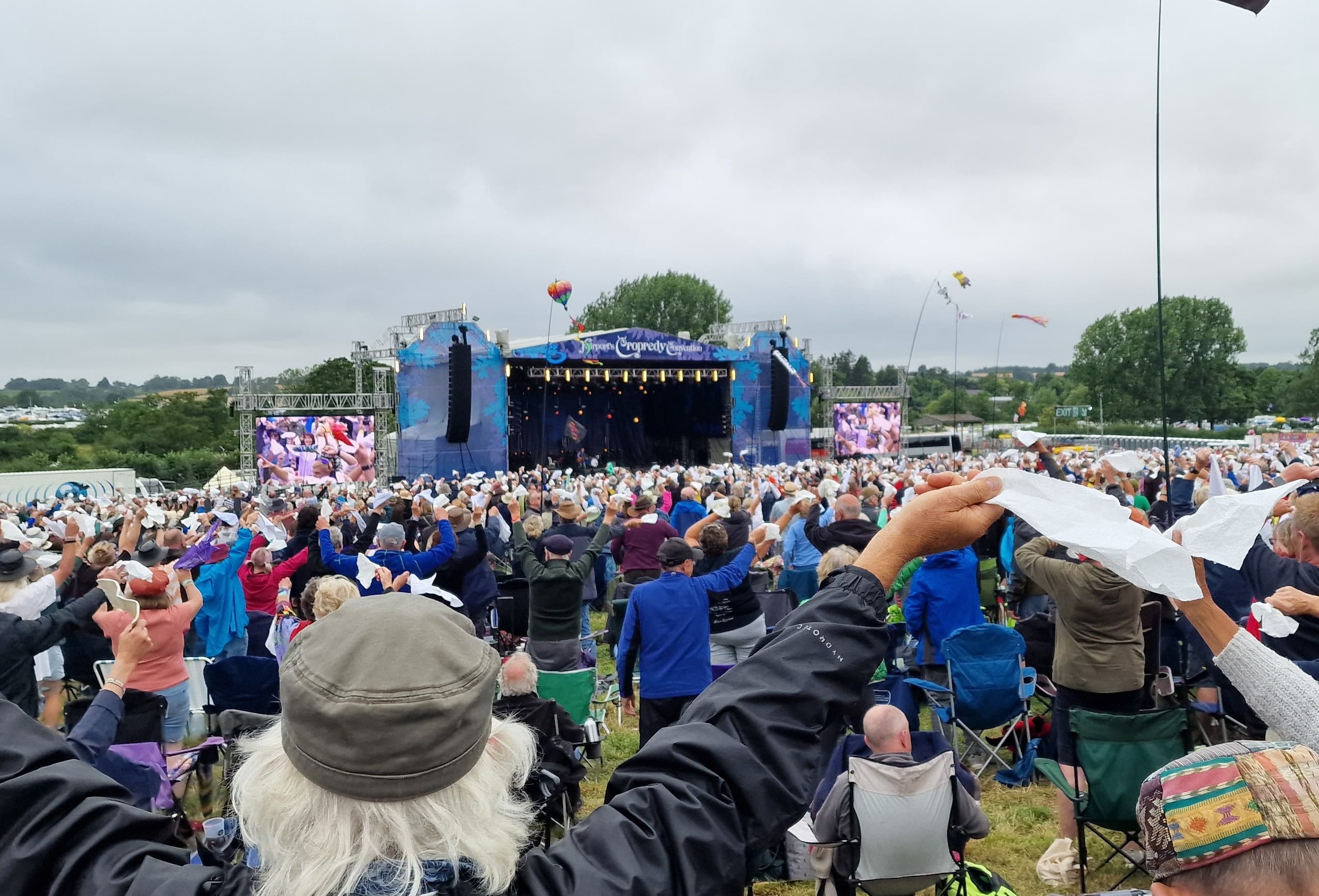
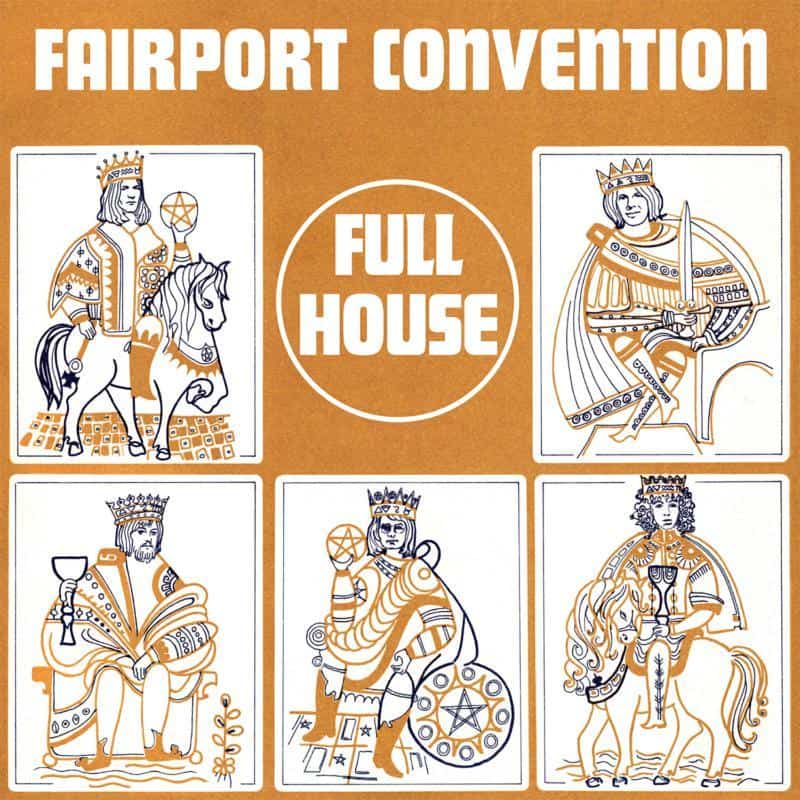
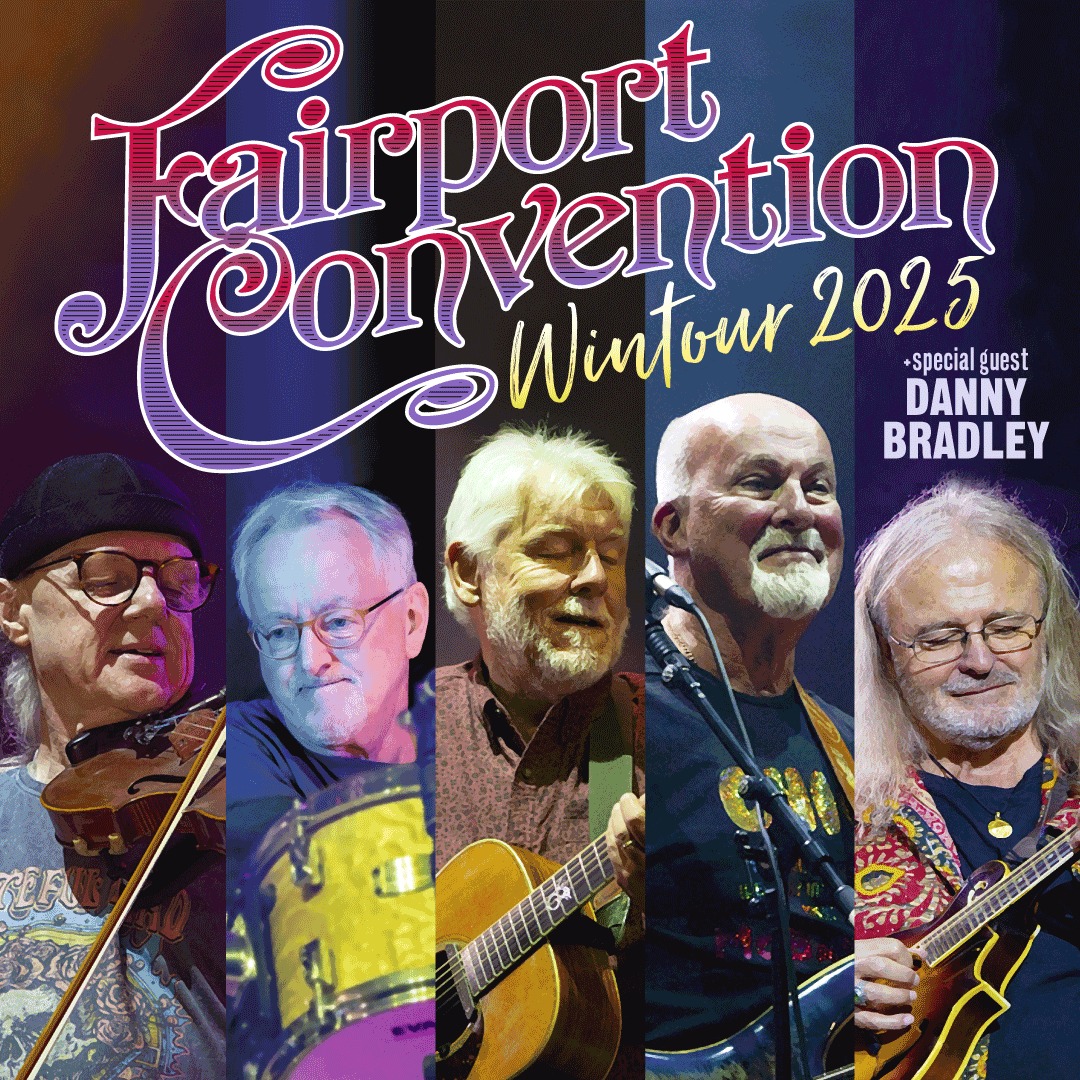
Ahead of this year’s Cropredy festival, I catch up with Fairport Convention’s Ric Sanders. We talk about first learning to play the violin at primary school, about getting his big break with Soft Machine and the invitation to play on Fairport’s Gladys’ Leap album forty years ago this year – and, of course, this year’s Cropredy line-up.

If we can talk about your very early days first, when did you first pick up a violin?

Well, I took it up when we were in junior school. The whole class had six weeks of being taught to play the violin. I mean, it’s nowhere near enough time. It was just six weeks and we had this teacher called Mr. Tunnicliffe. He’ll be long gone now but we used to call him Ten-ton Tunnicliffe because he was quite portly. But he played the violin and he taught us. He got the whole class playing a pattern on the open strings. And then with great bravura, Ten-ton Tunnicliffe would play this jig over the top of it. Very simple thing and most of the class didn’t get on too well with it. But after that third week, I could play the tune that Ten-ton Tunnicliffe was playing. I could just do it. I don’t know why. But I wasn’t interested because I wanted to be an astronaut or a scientist. So, when the six weeks ended – and I’ve never told this to an interviewer before – I forgot all about it. They weren’t our violins – they were provided by whoever – and then I forgot about it. In actual fact, seriously, I took up playing the violin again when I was 17. Because I was 17 in, I guess, the summer of love and I’d always liked the Beatles and the Stones and stuff.

Before that, my dad was an RAF radio operator. And he was stationed in Limavady in Northern Ireland during the war with the Americans, liaising with their radio people. That was his war gig. And he came back from the war festooned with nylons and chocolates and a whole stack of 78 records. Lots of the great jazz players, like Benny Goodman and Glenn Miller, Duke Ellington, Gene Krupa and all sorts, basically. And I started to hear this jazz and I kind of really liked that.

I have an elder brother, Mike, who would buy all the records. So, when there was the Trad Jazz boom, Mike bought all the Acker Bilk and Kenny Ball… Chris Barber Band, which was my favourite, because they really rocked. And then he bought all the Beatles and the Stones’ stuff. So, the first thing I ever had to buy using my own pocket money was in fact Magical Mystery Tour. But it was Sergeant Pepper and Magical Mystery Tour that made me think this is what I want to do for the rest of my life. I want to be a musician.

But I hadn’t got a guitar or a bass. I wouldn’t have taken up the drums because there’s too much to carry around. Or a keyboard. I hadn’t got any of those things but there was an old violin that my grandma had in the loft. So, I got it out of the loft, scraped all the varnish off it, polyurethaned it, filled it with cotton wool to stop feedback, and got a contact microphone that I bought from an advert in the back of the Melody Maker magazine. It cost me 19 and 6, and I strapped it to the fiddle with a few rubber bands. And I learned the riff from ‘Willie the Pimp’ by Frank Zappa on his Hot Rats album. And that was the start of it.

My mum and dad, they were hoping I was going to have some sort of academic career or be a doctor or a lawyer or a teacher or something. Quite understandable. But my mum was a good singer and my dad played. They come from a Salvation Army background so he played in the Salvation Army brass band and stuff. So, both my folks were musical and once I convinced them that I was really earnest about doing this, they were with me all the way.

And at that time, around about ‘68, ‘69, it was when you began to hear great fiddle players in the world of rock. And then, of course, I got into jazz as well and listened to Stephane Grappelli and Django Reinhardt. Stephane was a phenomenal violin player, one of the greatest ever. But I was also listening to David LaFlamme from It’s a Beautiful Day. And I was listening to Jerry Goodman from The Flock and then the Mahavishnu Orchestra. And Sugarcane Harris, who was amazing. He played on the Hot Rats album and played the violin like a blues harmonica, it sounded like. He was the bluesiest ever and was probably my main influence. Jean-Luc Ponty, of course, who may be the most high-profile modern jazz violinist, I guess.

And, also, I was listening to some great fiddle players in the UK. Of course, there was Dave Swarbrick. I play nothing like Dave Swarbrick. I can’t. Chris Leslie can. Chris Leslie can do an impression. He can even do the voice!

The first big band that I played in was with Stomu Yamashta, a Japanese avant-garde percussionist. Stomu Yamashta Red Buddha Theatre. I did a six-week European tour with him as a dep because his wife played the electric violin but she had to go back to Japan to visit her elderly parent.

So that was your first professional gig then?

Yeah, that was my first, Stomu Yamashta. I knew it was only a short-term thing and I went and auditioned for it in a room above a London pub. And there was a queue of violinists all around the block and somehow, I got the gig. And then the real big break in my life came joining Soft Machine. Because John Marshall, the drummer, got to hear me playing with Michael Garrick, the great jazz pianist who I’d written to. I’d sent him a cassette of me playing some Chick Corea tunes and said, “Can I come and see you for jazz harmony lessons?” And he said, “Better than that. Come and do a few gigs with us.”

So, I did. And John Marshall was the drummer on one of those gigs. And Soft Machine –  their soprano saxophone player, Alan Wakeman, who’s Rick’s cousin, he’d left because he got a gig being musical director for David Essex. And they couldn’t find a replacement but the violin kind of occupies that same sonic range, not totally, but pretty much. And so, I got the gig in Soft Machine.

And then I’d also sent a tape to Ashley Hutchings. And having done Stomu’s thing, which was only short term, at the end of the 70s I found myself in the exciting position of being in both Soft Machine and the Albion Band, which, of course, included Ashley Hutchings, Simon Nicol and Dave Mattacks and Michael Gregory and Graham Taylor.

So that was your foot in the door into the world of folk rock then?

Yeah, and through that I met Andy Cronshaw and June Tabor and Martin Simpson and we used to play a lot together. I don’t consider myself a gifted folk player in the way that Dave Swarbrick was or the way Chris Leslie was. I’m basically a jazz rocker really and I play everything like it’s the blues. That’s my cunning secret. I play everything like it’s the blues.

But that was always part of Fairport’s DNA anyway it was never just a pure folk band.

That’s true. And, you know, Richard Thompson could play anything. And Simon Nicol he’s underrated as a guitarist. He is an incredibly good guitarist. People say that there’s been so many musicians in Fairport Convention. There’s been 29 musicians but that was all in the early days. I joined in 1985, my first album being ‘Gladys’ Leap’, which is what we’ll be celebrating because it’s the 40th anniversary. It’s my 40th anniversary as well. So, Richard guested on that album. I appeared as a guest. I recorded it in April ’85, I think and here I am 40 years later.

So how did it come about then, being invited to play on Gladys’ Leap? I think you did three tracks on that?

I did three tracks, yeah. And what had happened was that Fairport had been pretty inactive, really, except for the festival. There hadn’t been a Fairport band from, you know, 1980 to 85. And the three main members were Simon and Peggy and Dave Mattacks, or DM, as we call him. And they’d got a bunch of new material. And Peggy, was in Jethro Tull at the time which gave him the financial security to be able to build Woodworm Studios at his home in Barford St Michael. It’s no longer Peggy’s but Woodworm Studios is a great place and still is and that was where the album was recorded. And Peggy gave me a call because we go back a quite a long way because our dads knew each other.

So, it all kind of slotted into place and I never expected to be in Fairport because they’d got one of the most phenomenal fiddle players of all time, Dave Swarbrick. But Swarb didn’t want to do the Gladys’ Leap album because he wasn’t into the material. And he’d just formed Whippersnapper with Chris Leslie. I think Chris was in the frame for joining Fairport, but he declined because he’d just formed this band with Swarb and Chris is very loyal. And Fairport had been inactive for years and Whippersnapper had a full diary.

So, I got the next call. And when Peggy called, he said, “I want you to play on some recordings I’m doing. I’ll send you a cassette.” Peggy had this offshoot group – a fun outfit it was – and they were called Dave Pegg’s Cocktail Cowboys, of which Chris was a member as well. At this time, around about ‘85, I was just doing jazz gigs around the Midlands. Just going out, playing with different rhythm sections, like jazz musicians used to. And it wasn’t hugely lucrative, but I got by. Peggy sent me this tape and I thought he was asking me to play on a Cocktail Cowboys record because I had no idea that Swarb had decided that he didn’t want to carry on with Fairport. And so when the tape arrived and I listened to it, I thought, hello? Well, that’s Peggy playing the bass, obviously. That’s Dave Mattacks on drums. And that guitar I could tell straight away. And yeah, it turned out to be Gladys’ Leap. And I went along and my first day was just recording those three tracks that I did on the album. The standout track for me, and the one that stayed in the repertoire, is ‘The Hiring Fair’.

Yeah, and a real fan favourite alongside the older material.

It really is. Well, Ralph (McTell) has contributed hugely to our repertoire. Also, Dave Mattacks, apart from being one of the world’s greatest drummers, is a very accomplished keyboard player with an incredible ear for harmonies and the instrumental section is actually written and arranged by Dave Mattacks. Well, it was right up my street because it’s not overtly folky. And I just played like I would do if it was a jazz rock thing that I was doing. So, I think probably that track more than any other helped me get the gig.

And then Maartin Allcock was recruited and as I say there’s been many people in Fairport but since I joined, which is now 40 years ago, there have only been two changes of line-up really. Which is when Maartin Allcock decided to move on and is sadly no longer with us. And when DM moved to America because he was getting so many sessions, and Gerry Conway joined the band. And of course, Gerry passed away, which is very sad. He was with us for 25 years. But now we’ve got DM. We were kind of stuck, you know. What were we going to do on the winter tour and Cropredy? And so now DM comes over from America for the winter tour and for Cropredy, which is great.

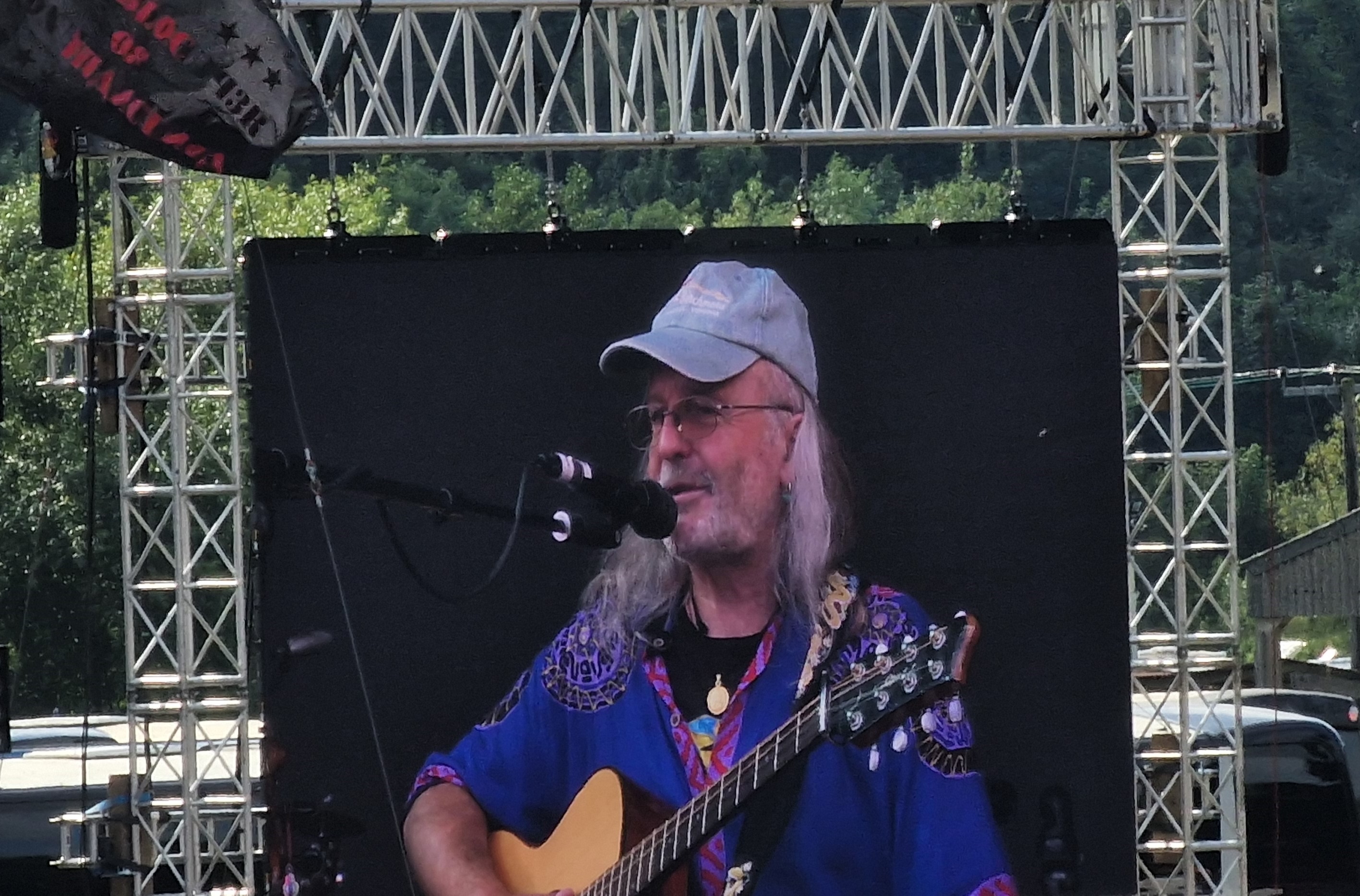
Photo credit: Kevin Smith

So just going back to 1985, you didn’t play Cropredy that year because obviously Dave Swarbrick was still booked to perform at the festival.

Yeah, I went on the Friday night. It was a two-day festival at the time. I couldn’t stay for the Saturday because I had to get up at the crack of dawn and go to Edinburgh because I was playing at the Edinburgh Festival with a dear friend of mine who I’ve just been recording with recently again, a guy called Phil Nicol. We did two weeks at the Edinburgh fringe and what our gig was, was playing half a dozen numbers at the end of a comedy cabaret. Some of Phil’s songs, and we also did ‘May You Never’ by John Martyn and we did ‘Every Breath You Take’ which had been big at that time. By the way, I should tell you that the main star of the comedy cabaret that we did in Edinburgh was Julian Clary, who was incredibly funny. And at that time, called himself the Joan Collins Fan Club featuring Fanny the Wonderdog.

The Joan Collins Fanclub (and Fanny): 1980s publicity shot

I remember because he was on Channel 4 a lot in those early days.

Yeah. He was great. I mean, you know, never heckle Julian. Never. And he would improvise. We would do two shows a day and the shows were different every time. And he’d do this thing where he’d go and find a lady’s handbag and go through it and improvise a routine from the contents. He was absolutely wonderful. Also, there was Jeremy Hardy, the late Jeremy Hardy. He was a great comedian. He was on that. So that was a great show. Yeah, that’s why I couldn’t go to the Saturday Fairport!

But soon after you did become a full-time member. What did it feel like taking over the fiddle player’s role in Fairport Convention from Dave Swarbrick?

Do you know, I wasn’t really that nervous about it. A little bit, I mean, I was nervous a little bit just because Swarb was not just such a great musician but such a such a great personality. His personality was stamped on Fairport. But actually, I get more nervous now than I did was when I was a kid because when you’re that young – I was only in my very early 30s when I joined Fairport – and I’d already played with some incredible musicians. Carl Jenkins, John Ethridge, Alan Holdsworth. I played with these guys. John McLaughlin, you know, I jammed with John McLaughlin. Toured with his group, Shakti. Not as part of his group but with Soft Machine and John McLaughlin doing a doubleheader tour of Europe. So, you know, I had the sort of cockiness of youth. I was young and I wasn’t too scared. I get more nervous now, actually. I’m 72 now. I thought when I got to this sort of an age, I’d be bulletproof but it’s been the reverse.

I remember the first concert that we did was at the Sir George Robey pub in London and from the word go, the Fairport audience were really good to me. And I’ve heard it said since – well Chris Leslie has said, “I wouldn’t have been the right person for the job because I would have sounded like Swarb at the time.” I mean, Chris has got his own style totally now. I was completely different because I couldn’t play like Swarb. I had to come at it from a completely different angle. So, I couldn’t be a replacement for Dave Swarbrick. It was something different.

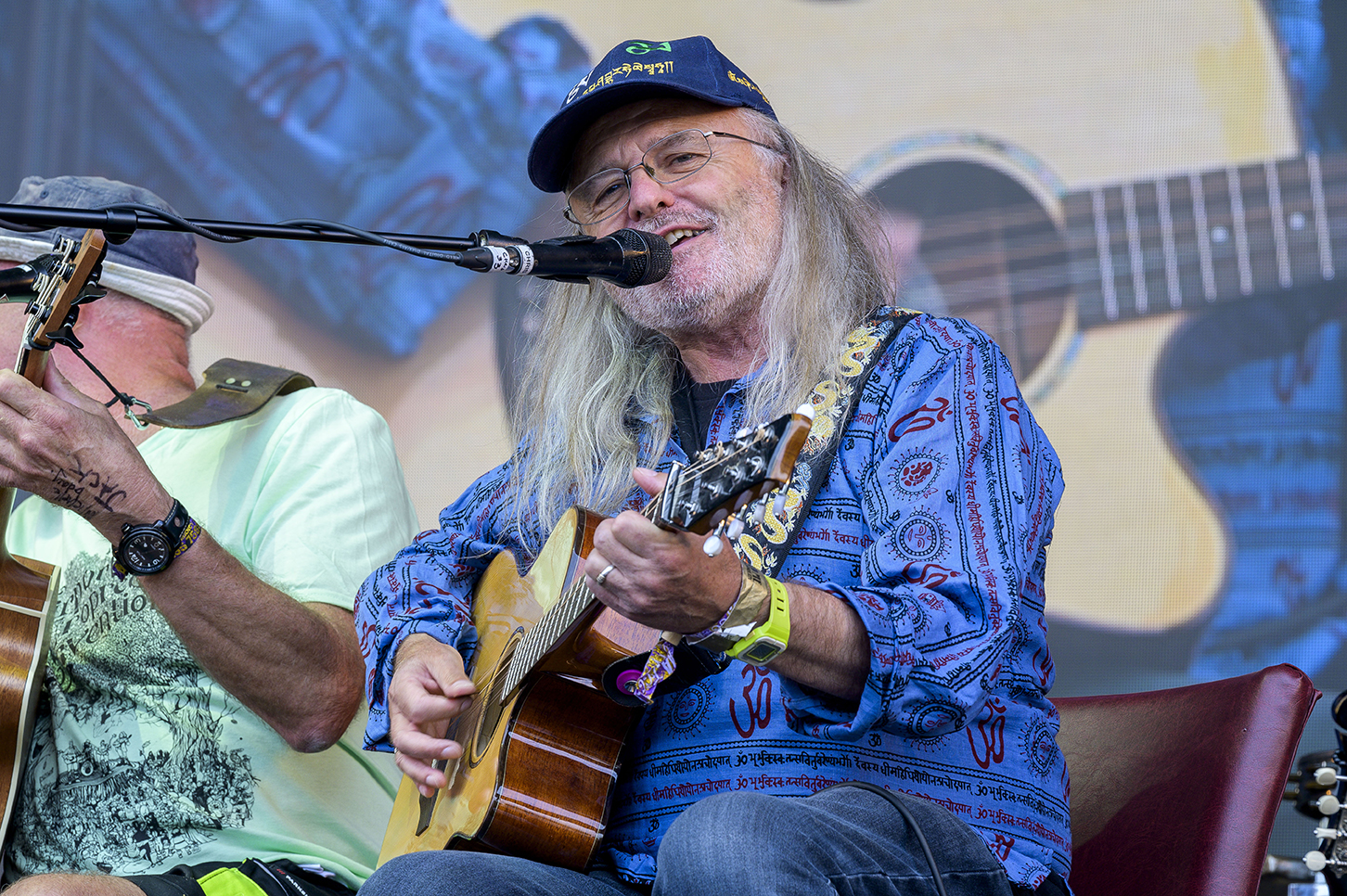
Photo credit: Kevin Smith

Looking back over the last 40 years, what have been some of your favourite recordings in Fairport? You mentioned ‘Hiring Fair’ obviously.

I guess one of the things that I really love doing because I’m not a songwriter – Chris is a brilliant songwriter and has gone from strength to strength – but I write instrumentals. That’s what I do because that’s what I always did. And I’ve loved writing things like ‘Portmeirion’, which is my most well-known tune, I think, that people kind of like.

And another absolute standard that stands up so well alongside the older material.

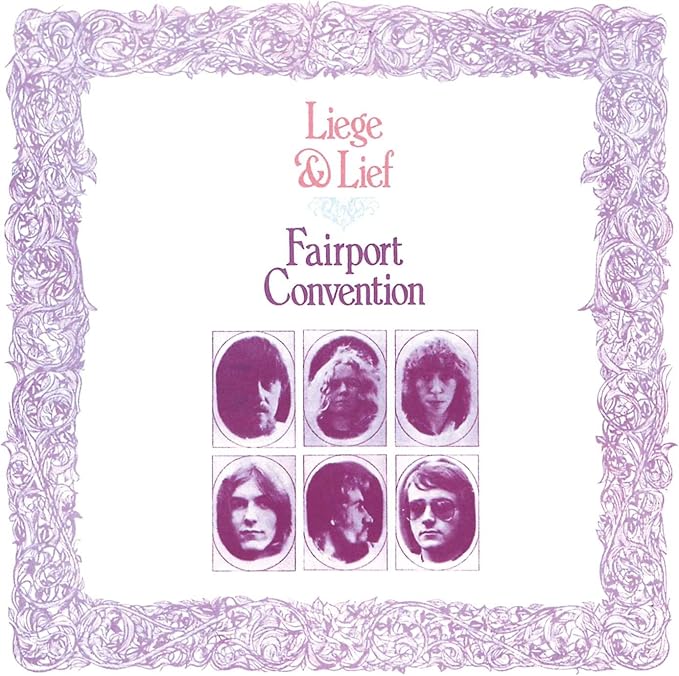
Yeah, which is very gratifying. And ‘The Rose Hip’ and tunes like that. I’ve loved writing ‘Summer in December’ and stuff. They’re ballads that have got a folkish-type melody, but kind of jazzy in harmony ways. So that’s been really great to do. And, also, when I first started to write fast instrumentals for Fairport, I would just write imitation medleys. Because that was the pattern that was brilliantly done on Liege & Lief with ‘The Lark in the Morning’. When you take a jig and a reel and a hornpipe or whatever and you put three or four trad tunes as a kind of medley. So, you know, I wrote a number of those, a sort of imitation using the template of those tunes.

But then, around about Festival Bell time, I started to write instrumentals. The old way of writing, I’d write the tunes on the fiddle and then harmonise them. But then when you got to tunes like ‘Danny Jack’s Reward’ and ‘The Gallivant and ‘Steampunkery’, which is the one that’s in the repertoire at the moment, I would write those from the rhythm section up. I’d write the band part first, then find a melody to put over it. And I wasn’t sure if the band would go for that style of stuff, but that proved to be OK. One of my favourite things, which you can see on YouTube, is doing my tune ‘The Gallivant’ with the brilliant Joe Broughton and his Conservatoire Folk Ensemble, who are on the Thursday at Cropredy. Joe arranged the brass section for it. He’s a brilliant musician and I love working with him.

Is there anything else you want to tell us about Cropredy this year before we wrap up?

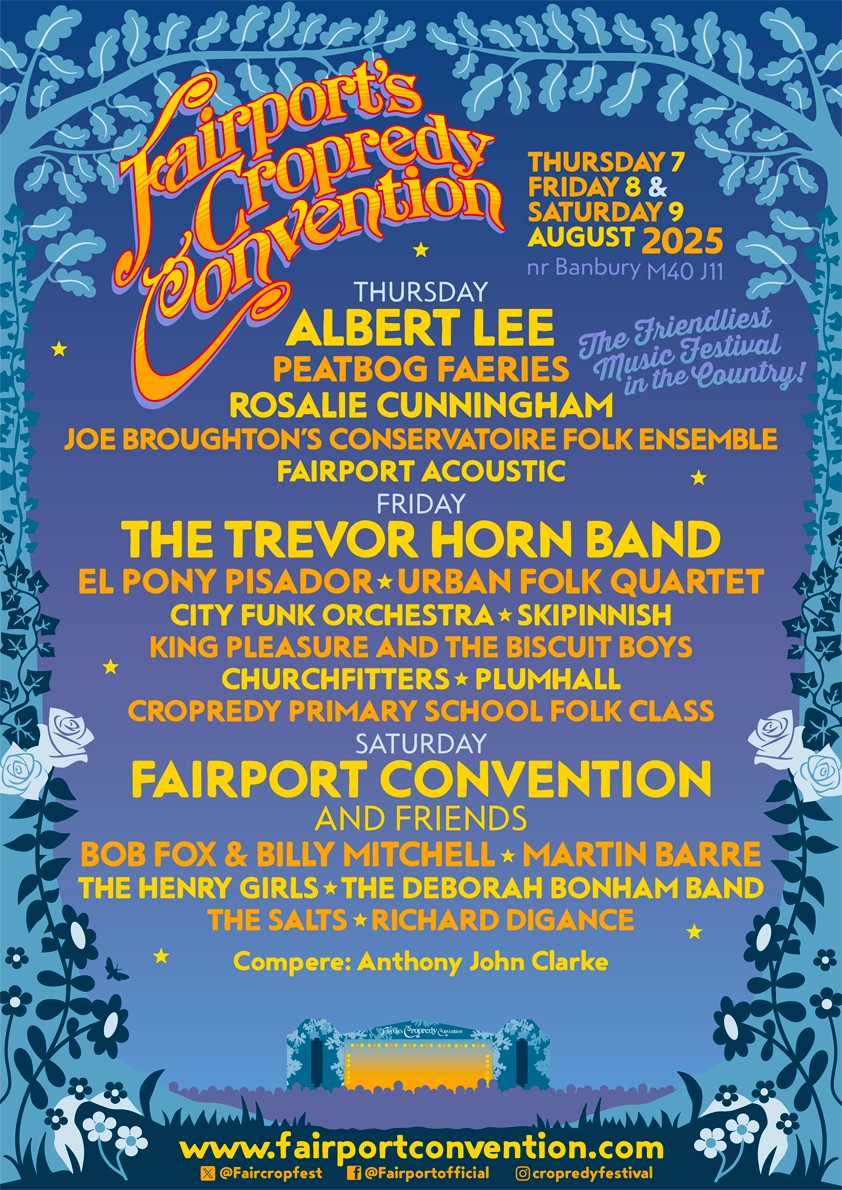
Well, we’ve got a great line-up. Thursday, Albert Lee, one of the world’s greatest guitarists. I’m sure he finishes his show with ‘Country Boy’. I don’t think they’d let him out of the venue alive if he didn’t finish with ‘Country Boy’. On Thursday, Peatbog Faeries, Joe Broughton with his Conservatoire Folk Ensemble, as I just mentioned. And of course, we kick it off on the Thursday with Fairport Acoustic, just a welcoming set. And then I think we’re going to get Broughton and co. to come on and do a number with us, to cross over. Also, the lovely Rosalie Cunningham is on Thursday. And I might be playing with her as well because I played on her last two albums. It’s kind of prog rock, you know, so it’s great. So that will be an exciting Thursday.

Photo credit: Sam Reynolds

And then we’ve got the Trevor Horn band on Friday. Last year, Trevor had to cancel because of illness so he’s headlining on Friday. And you never know who Trevor Horn’s going to turn up with, what style that he’s produced is going to show up.

Yeah, that’s always a hugely entertaining part.

I’m hoping he brings Holly Johnson some time. I’d love to see ‘Relax’ at Cropredy. It would be great. So, we’ve got Trevor Horn,  Joe Broughton, again, in the Urban Folk Quartet. And some bands that I don’t actually know who they are. El Pony Pisador. Well, I don’t know that group. And City Funk Orchestra. And Skipinnish.

And then, of course, there’s King Pleasure and the Biscuit Boys. We’ve got the Church Fitters, Plumhall, who opened up for us, not this year, but the year before, which is great. And the day starts with the Cropredy Primary School folk class so that will be lovely. And then on the Saturday, we’ve got Richard Digance, of course. And the Deborah Bonham band, brilliant. Martin Barre from Jethro Tull. Bob Fox and Billy Mitchell, they’ll be brilliant. Who’s headlining? Oh, we are! Yeah. So, we have no doubt guests who I don’t know who….

So, there will be some surprises for us on the Saturday and some surprises for you by the sound of things!

Yeah, yeah. Chris Leslie and I don’t take much of a role in the organisation part, or DM. The triumvirate that runs the festival is Dave Pegg – of course, there wouldn’t be a festival, there wouldn’t be a Fairport without Peggy – and Simon Nicol and Gareth Williams, the festival director. So, they’re the guys in the driving seat. And I just, you know, turn up and play. Maybe tell a few jokes. But it’s great. I never in my life, for a minute, thought I would be in Fairport. I was always a fan, a massive fan of the group. And I knew pretty much all of the guys before I joined. But you know, Fairport is more than a band to me. It’s like my family as well. And we really have that feeling. We see so many bands fall apart and have arguments and whatever but it’s not like that with Fairport.

And occasionally I’ve been told by Simon and Peggy sometimes in the past I’ve played a little too jazzy and put in some scales that they don’t think were appropriate. They say, “Don’t do that!” And when they say that I think about it, and I think, “You know what they’re right, you know. No, you don’t need seven flat nines in ‘Walk Awhile.’ Just forget it!” So, yeah, it’s just a very happy band, really. And I don’t know how many years it will carry on. Until we drop, really, I think.  

Photo credit: Kevin Smith

Fairport’s Cropredy Convention runs from 7-9 August this year: fairportconvention.com

Related posts:

Interview with Dave Pegg 2025

Interview with Simon Nicol 2024

Live review: Fairport Convention at Union Chapel 2025

Live review: Fairport’s Cropredy Convention August 2024

Live review: Fairport’s Cropredy Convention August 2023

Live review: Fairport’s Cropredy Convention August 2022

Book review: ‘On Track: Fairport Convention – every album, every song’ by Kevan Furbank

Fairport Convention at Bexhill 2020

Live review: Fairport’s Cropredy Convention August 2018

Fairport Convention at Cropredy 2017

Album review – Fairport Convention ‘Come All Ye: The First Ten Years’

Fairport Convention – 50th anniversary gig at Union Chapel 2017
Fairport Convention at Cropredy 2014

Fairport Convention at Union Chapel 2014

Interview with Irish guitarist Joe Hodgson – new album out 20th June

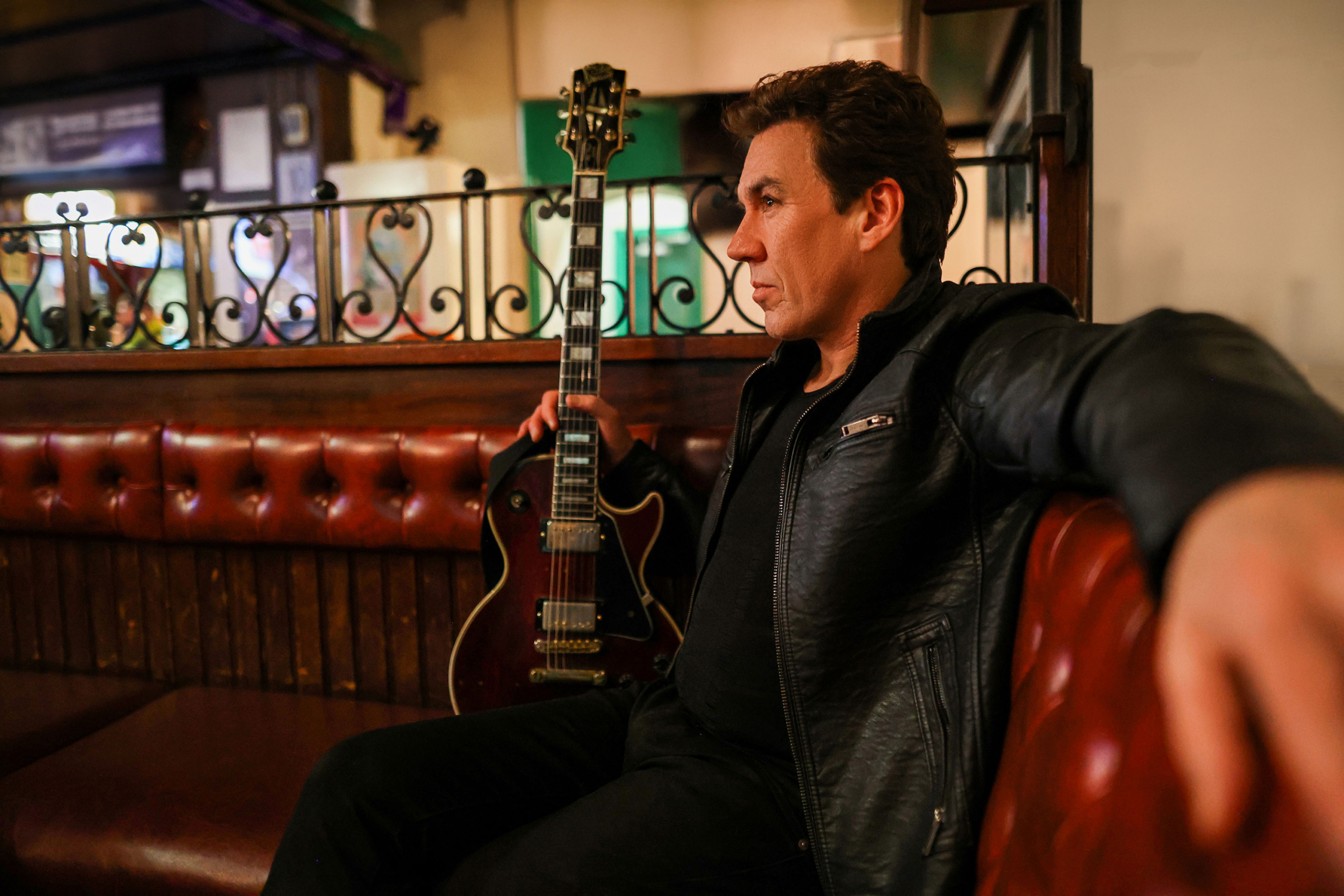
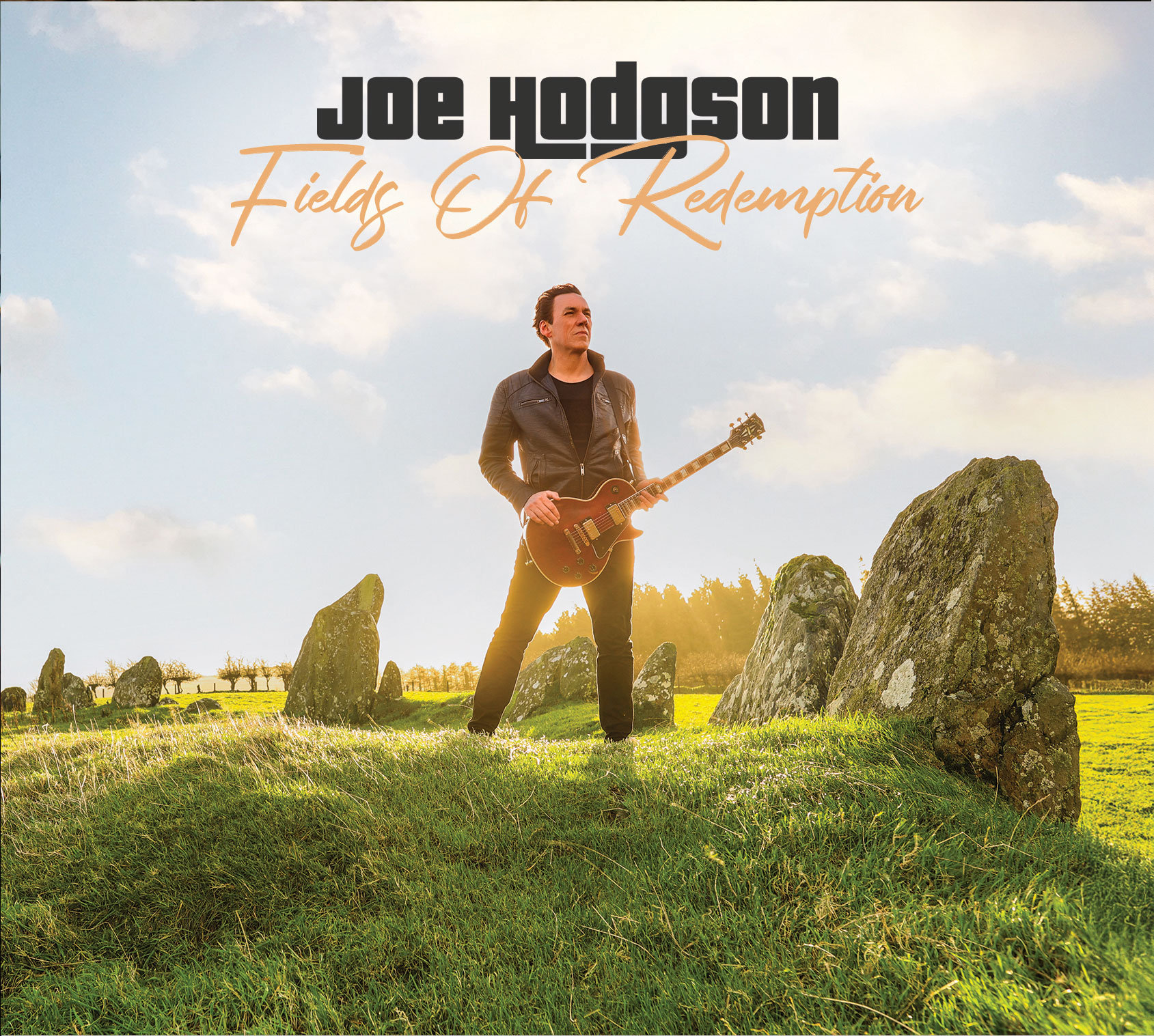
Guitarist, Joe Hodgson, hails from the village of Ballymagorry in Co. Tyrone, Northern Ireland. His music, shaped by his upbringing during The Troubles, mirrors the fierce rain and winds of the Emerald Isle. I catch up with Joe to talk about his musical heroes, his solo career and the release of his new solo album, Fields of Redemption, which comes out on June 20th.

For my first question, let’s go right back to the beginning. When did you first pick up a guitar?

I picked up the first guitar after my cousins in Dublin played me some Rory Gallagher, you know? I think it was the Stage Struck album, which was him at his most rocky and stuff. And then I just was totally sold on the guitar. And then I actually got tickets to see Rory Gallagher and I was just totally blown away. And from that moment on, it’s all I ever wanted to do, you know?

Was that your first concert then, Rory Gallagher?

No, my first gig I ever went to was Thin Lizzy, I think on the Renegade tour.

That tour was my first gig as well, how weird!

Yeah, I saw them in Dublin and yeah, they were great, you know. Snowy White was with them at the time. It was brilliant. But it was definitely Rory Gallagher who was the was my main reason for playing guitar. And then after it became Gary Moore – when I first heard him. Those two were my biggest influences. Two Irish guys just coincidentally.

Two iconic and very expressive guitar players, so obviously some of that has embedded itself in you from an early age.

Oh God, yeah. I was out for a few beers last night with my wife, and the guy put on Rory Gallagher on the video screen. And he was absolutely incredible. Amazing showmanship. He never messed up. He never got out of tune, never out of time. Raw. And that was amazing, you know. Brilliant.

If you want to talk about sort of the music that’s influenced me when I was growing up… as I say, Rory, and then Gary was definitely my biggest single ever. I’d say he was one of the greatest players of all time. But I was also into – and I still listen to – all the older, the English guys. Like, obviously, Eric Clapton’s a huge influence on me. Jimmy Page, Jeff Beck, Peter Green. Those four are still, to this day… you don’t get any better than them! And I still go back and listen to Clapton and Beck quite regularly, you know?

But in the ‘80s, ‘90s, I was heavily influenced by all the American players, you know. Van Halen, Randy Rhoads and Jake E. Lee and all those great players. But I was also into other music. Stuff like ELO and some quite melodic music, which probably has helped define me. Melodically, it’s given me that sense, I like to think, that my influence isn’t just from the hard rock. It’s from that kind of more pop rock as well. Fleetwood Mac and stuff like that. I love listening to that.

I think that’s something that really shines through in your own music.

So, from those early days, you went on to play in a number of bands. That was over in England. Did you want to tell us about that?

Well, it was a catalogue of almost-made-it type bands, you know. The band I suppose that came closest to cracking it was a band called Rime. At the time we released an album back in the mid-2000s. And we were about to be signed up by a major promoter in America. And at the last minute, just as the CDs had been printed, the singer walked out of the band. A French guy. It was unbelievable luck, you know? And we replaced him, but it was never the same when you replace a singer. The guy in this booking agency in America, he loved the singer, you know? So, when you replace the singer, it’s always difficult.

But I was in lots of different bands over there. And the last band I was in before I left was a band called Good Guy Dies. I was with a female singer from Latvia, and we did some BBC stuff. BBC Radio Kent and local stuff in and around London. And we toured all over the country but, again, that was a weird one because my background is Thin Lizzy, Rory Gallagher, Gary Moore, Led Zeppelin, all that. And her background was Tori Amos, Bjork. So, I thought it was a good idea to try and mix these, but it was like trying to mix oil and water, you know? So, it didn’t work in the end, I don’t think, musically. But I enjoyed playing that stuff and experimenting, you know?

And then you relocated back to Northern Ireland and released your debut solo album a few years later. Was that a conscious decision to move back to Ireland and launch a solo career, or did it just happen in the way sometimes things happen in life?

Yeah, the reason I came back here was that band Good Guy Dies broke up and I just wanted to get away from London for a while. Then my mum was diagnosed with motor neurone disease. So, I ended up back here and I nursed her in the last year of her life. She died here at home. I had no intention whatsoever of coming back here permanently but as the days went on, I thought I kind of like it here, you know. People talk to you here. It’s not like London, you know, and you go for a pint and people are going, “Hey Joe, how are you man? How you doing?” So, I felt just right at home again after a while. You couldn’t pay me now to go back to London, you know! I’m quite happy here.

Brilliant. I’m sorry to hear about your mum though. Although something very creative and very positive came out of a family tragedy.

Absolutely. It was always my dream to come back. This room where I’m in now, you can see all my guitars and stuff there. This is the room I learned to play guitar in. And I always had this sort of dream to come back here and record a solo album in this room which is what I did. I recorded all the guitars in here.

So yeah, it was always in the back of my mind to do something like this, you know, the solo stuff. I just found I really enjoyed the creative freedom. And I self-financed it all myself so there’s nobody breathing down my neck saying, “You shouldn’t be doing that.” I can experiment as much as I like. So that’s probably why you see quite a lot of different styles on the album. Because I’m the boss here of this little organisation, you know, and it’s really liberating. If I want to play a blues track, I’ll play a blues track, if I want to play a jazzy track, if I want to play some harder rock, I’ll do it, you know?

Yeah, those different styles certainly come out on the new album, and I know that’s been commented on in reviews. So, what do you want to tell us about the album Fields of Redemption that comes out on June the 20th?

Well, as I say, it’s very varied. It’s not like, say – and I’m not knocking them because I actually really like them –  but you buy an Oasis album, you know what every track’s going to be. You know what it’s going to sound like before you even play it all. It’s great. But for me, that sort of approach is very limiting. So, I just wanted to be able to play whatever style I wanted at any given time, you know.

But also, the difference between this album and the last album was I got a co-producer on this album. A guy called Chris James Ryan. He’s Australian. He lives in Canada and he mixed Apparitions (Joe’s first solo album). That’s how I met him. But this time I wanted to widen the sound a bit and use orchestral elements and I wanted to bring in brass. And he was a great help with that. Communicating with these musicians along with me, you know? And we really went to town a bit more on the production this time – went really deep into getting the sounds right.

And, as I say, the guitars were recorded here in Northern Ireland, but the rest of it, like the drums and bass, were recorded in England. There were these two Austrian guys, Philipp Groyssboeck and Vinzenz Benjamin. And then I had musicians dotted all over the world. Like the horns were recorded in Germany by this Australian guy. I had a Brazilian percussionist. He was in Salvador. He recorded percussion over there.

Then one of the highlights for me was working with a guy called Paul McClure, who’s a bodhran player, the Irish drum. He was an ex-All-Ireland champion and he was phenomenal to work with. I did a couple of acoustic tracks. He’s on those, which is a first for me. I’ve never recorded an acoustic track from start to finish and I did two on this album so that was different.

It’s something I’m happy that I did, you know. Happy that I went so wide with the spectrum. But I would like to think that my guitar is the unifying factor, which brings it from start to finish and kind of makes sense of it, you know?

Oh yeah, absolutely. Your guitar shines throughout and your personality through that, I think. That’s definitely the unifying factor, isn’t it?

Yeah, and I also got to work with a singer who I’ve wanted to work with for a long time. A guy called Glen Harkin, who you heard on ‘Since You Had a Hold On Me’. Glen’s amazing. He’s probably the best male vocalist I’ve ever worked with, you know. You just turn on the mic, he was standing there behind me and I just let him open his mouth and sing. I’d say that track was done, his singing part in an hour, hour and a half.

His voice is perfect for that track. But as we say, it’s a mainly instrumental album. And I think with a lot of instrumental albums, they’re good at capturing abstract moods, but yours is actually telling stories, which I think is really, really fascinating. The music actually tells a story once you know the title. That’s quite a feat.

I’m really pleased you picked up on that because even though there’s maybe no words on the track, the tracks do mean things to me, you know? And there’s one track, that’s the very last track on the album. It’s the acoustic track, ‘The Ballad of Joe Clarke’. That’s quite a special track to me because it’s dedicated to a friend of mine who sadly died last year. And he was the person that brought me down to see Thin Lizzy in Dublin, you know? And he was a huge inspiration to me, because he played in local bands and he was a bit older than me, so I looked up to him. And I wanted to do this for him and his wife, Helena. That track means something to me, you know?

So finally, what next after this current album is released?

Next? Well, I would love to be able to tour this, you know, but it’s very, very difficult to do that with instrumental music. But if someone like a Robin Ford or a Joe Bonamassa said they want a support act. Yeah, count me in!

But looking further down the line with myself and Chris, we’ve already talked about the next album. And we actually want to go and do it in Nashville because he’s got quite a few contacts over there. Because you get these players in Nashville and they’re just unbelievable, you know. Probably do the ten songs, we’ll get the backing tracks done in a couple of days and then come back and work on the guitar. But that’s going to be a fair bit down the line, as I say, because all this is self-financed. So, it takes a while to get it together but that’s the next plan recording-wise.

Fields of Redemption is released on June 20th 2025 https://joehodgsonmusic.com/

Related posts:

This week’s featured artist: guitarist Joe Hodgson – new single out 28th March

Rock / Blues: Double A-side single release – Joe Hodgson ‘Since You Had a Hold on Me’ / ‘Stick or Twist’

Irish guitarist Joe Hodgson ‘You I Think Of’ – new single and video out 6th June

Interview with Greg Ireland of folk rock band, Green Diesel

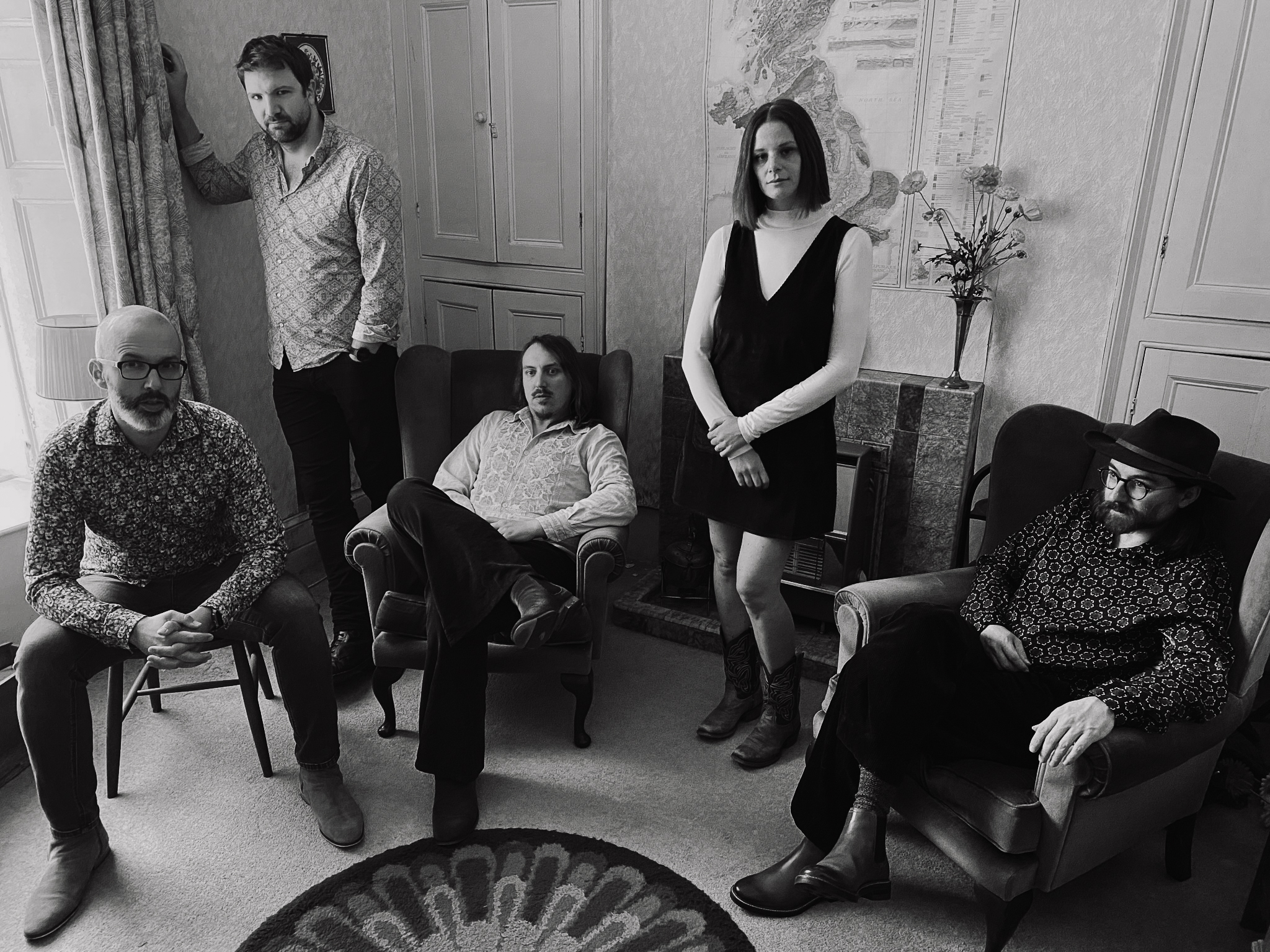
Ahead of the release of their fifth album Onward The Sun! which comes out on 25th April, I talk to Greg Ireland of Faversham-based folk rock band, Green Diesel.

We’ll move on to the new album in a bit but let’s start right at the beginning. Tell us how Green Diesel came about.

Well, it seems like a very long time ago now. I think we’ve probably graduated away from being a young new folk band. So, I guess in some ways it’s a continuation of the band I was in when I was at school. I played in a band with some of the guys who are still in the band today. It’s a completely different group, but it had the same name. And that kind of fell apart as school bands do. And we would just do an occasional gig here and there, where this ever-revolving cast of characters would play some covers that we liked at a local festival. And we could never think of another name, so we just kept going! And then I guess around 2009, that sort of time, I’d kind of gone fairly heavily down a kind of Fairport-esque path.

So, was that a departure from the original incarnation of Green Diesel then?

Well yes and no. We’d always kind of played vaguely rootsy music. So, we did some blues stuff, we did Neil Young-style songs and The Band. So, it wasn’t a complete 180 – but certainly the idea of doing music based around traditional music had been something that had been percolating in my head. And I managed to convince the other guys, again for one of the local festivals: “Oh, let’s get a violin player and as one of our numbers, we’ll do a set of tunes in the kind of classic Swarbrick style.” Which they were on board with. I think I’d dragged them along to a couple of Cropredies by this point, so they weren’t completely against the idea. So, we got Ellen (Care) in to do that and that went well and I took that as a good jumping-off point: “Oh, let’s go down this path.” And that became more of a serious band. And I started writing songs. A couple of the others had started bringing things in. We took the plunge and we got found on the street by Roger Cotton, who was a producer who liked us and said, “Do you guys want to come and make a record?” And so we did and that was our first album, Now Is The Time.  And somehow – there have been quite a few people in and out of the door over that time – we’re still here today.

And when you first put the band together then, did you have a clear idea of the sound you wanted to go for from the very start? Because let me just share this. I’ve got a theory about folk rock in that while the folk element can be fairly timeless, delving back centuries, the rock element usually reflects what’s contemporary at the time in terms of rock music. That was certainly the case with Fairport in the late 60s and early 70s. I would argue bands like Oysterband as well very much reflected the post-punk era in the rock element. But clearly you didn’t go for a sort of millennium-era indie vibe or anything like that. You delved back.

I think we’d always had that kind of retro taste in music. So, certainly there was always elements of that kind of late ‘60s, vaguely psychedelic rock. But I think when we started off, we were playing much more acoustic music. Not always but I rarely played an electric guitar. And although we probably weren’t vibing off what they now call indie sleaze (and at the time I called ‘horrible music without a tune’) – there were a lot of bands around at the time, like the Decemberists who were a huge influence on us. And early Arcade Fire. We just caught the beginnings of what came to be termed ‘new folk’ and so there was an element of that in there as well.

So, I wouldn’t say it was completely “we just want to go retro”. But then, equally, I grew up listening to Britpop-type music, which always had that very  ‘looking-back’ element to it. So, I guess we were the start of that musical generation who just sort of had everything – who grew up listening to their parents’ music and then had their own music. And the big genrefication that really lasted up to the early ‘90s was just starting to break down a bit. I think you see it more today with younger people who will listen to everything, you know, encompassing Disney soundtracks, to Steely Dan, to actual contemporary pop stars – which you’ll have noticed I haven’t been able to name any of! But I think guys our age were maybe at the beginning of that kind of change in music consumption that we see today, possibly.

Yeah, I think I think that’s fair. I think I did my own sort of 1980s teenage version of a Spotify playlist, which was just going to second-hand shops and buying ‘60s and ‘70s albums incredibly cheaply and discovering music that way. So, yeah, I think that’s right.

And then moving on, there’s been quite a gap between this new album, Onward The Sun, and the previous album, After Comes the Dark. Can you give us a quick update on what’s been happening in Green Diesel since the last album came out?

Yeah, in some ways it’s an even bigger gap than it might seem now. Because although After Comes the Dark came out in 2021, it was predominantly written and recorded in late 2019/early 2020 and then got stuck by COVID so we could never finish it. The material on that album feels very old, not necessarily in a bad way, but it really feels very different. So, I guess quite a lot has happened since then. Ellen’s had two children, which has somewhat made progress perhaps run a bit slower than it might otherwise have done. We’ve got a new drummer in. We had Paul (Dadswell) on the last album,  circumstances took him elsewhere in life. We were very lucky to very quickly find Ben Love, who is on duties for this album and he’s been a fantastic addition. So, there was a lot of just gathering together of material.  And I think one of the big things about this record that maybe is different to some of the others, it grew a lot more out of just jamming and playing around with ideas. I think in the past, it’s very much been the writer – be it me or one of the others – coming in with a song and, not everything charted out note for note, but a pretty good idea of “this is how I want it to end up”.

But this one, partly because we had long periods of time where Ellen wasn’t able to participate directly for children reasons, basically the four of us were bored. We quite liked to play something even if we weren’t able to get out and gig as much as we might have wanted to. And particularly that post-COVID period where you were able to do things again, it was a nice novelty to get together in a room and just make some noise.

So, there’s quite a few songs on this record that have grown more out of that. They’re kind of longer and a bit looser, maybe structurally. And then Ellen had a second child so we had the backings of the songs down and then we took a break. What I call her maternity leave. Then came back to it. So, it’s just a lot of playing. And I think it was particularly good when Ben Love came in on drums because it meant very quickly, we sort of found our groove, literally. It gave us a really good chance to work up that material. And I should say as well, Paul put in a lot of work on some of the songs. There were, I think, two or three that have been part of our live set now for two or three years. So, it’s very much been a group effort in that sense, which I really like about it.

So that accounts for some of the longer instrumental sections in some of the songs, which I know you’ve really gone for on this album?

Yeah. I think, jumping back to one of your earlier questions, we’ve got a lot heavier as a band over time. And that sort of lends itself to that kind of sonic exploration and just jamming it out a bit. And partly the way that our tastes have gone. I think still rooted around songs that work as songs. We write in a very hook-led way. But yeah, just that bit of freedom to keep going, I quite like.

Yeah, I like what you’ve done and, as you say, without losing the essential element of the song. I mean, some bands can jam so much that the actual purpose of the song is lost. You haven’t done that.

Yeah, we haven’t got to Grateful Dead so far. Who knows what comes next!

What do you want to tell us about the new album and some of the songs on the album?

So it’s nine tracks this time and there’s a couple of traditional pieces on there, but they’re predominantly from within the band. I’ve written some, Ben Holiday on bass wrote one, Matt on guitar has written one and we’ve got a cover as well. There’s a cover of  ‘The Maypole’ song from The Wicker Man soundtrack, which Matt bought in. That was quite good fun to work on.

It does seem a very good fit for Green Diesel.

Yeah, that soundtrack as a whole has always been a big, big influence for us. So, it kind of seemed right to go there. We haven’t done a lot of covers, traditionally, so it was quite an interesting challenge.

Yeah, so there’s a good variety of writers there. I wouldn’t say there’s a theme to the album, but it kind of builds on where we were going with After Comes the Dark. Although the majority of the songs are original, they’re very much rooted in a traditional folk idiom. And there’s a lot of folk-lore. The weirder end of folklore but I suppose the term that’s popular at the moment is folk horror. And that kind of really ticks quite a lot of our boxes. So, there’s some bits about witchcraft in there and some of the traditions around potion-making. And while I say it’s darker, I think there’s a kind of optimism there as well. Very rooted in the natural world and what we see and what we experience. And then we’ve finally managed to do our Moris On bit because the instrumentals are two Morris dance tunes, which is something that me and Ellen have both been keen to do for a while. And we’ve done that in our own way. It kind of wanders off a bit in the middle and, you know, bringing some of our – those of us who have them – slightly proggish leanings. So just to really, really sell it to the hipsters, it’s Morris dance music mixed with progressive rock – because obviously that’s a pretty big thing!

They’re so evidently Morris tunes from the moment you hear them, but yeah, they’ve been given the Green Diesel treatment so it definitely fits in with the album as a whole.

Yeah, I think I’d probably describe it as quite a confident album. It’s the album of a band who kind of know who they are. That partly comes from just playing together a lot, but there’s a real core strength there. I suppose it’s the one I feel, so far, that we’ve done that sounds most like us. It feels very much like everything’s been developing up to this point to, to get to where we are in 2025.

And on the live front, you’ve got some gigs coming up in Kent and Sussex. And I’m hoping to get to the Brighton one. But where I would really like to see you would be on the main stage at Cropredy. I think you’d go down a storm. And when I interviewed Dave Pegg, he told me that they’re not able to have the really big names, the Brian Wilsons and the Alice Coopers that they’ve had, because of the financial constraints that they’re now facing. They have downsized the festival to make it more financially viable so it could be the perfect opportunity. I think you would go down an absolute storm.

That’s what I’d love to think. So, if Dave’s watching this, then come and get me! Back when my brother was still in the band and we were at I think the 2007 Cropredy, that was always the goal. Unfortunately, the goal was to do it by 2014 so we’ve missed the mark a little bit there. But we’re always open to offers!

Well, let’s see, it would be good. Because you have played the fringe, haven’t you?

Yeah, we’ve done the fringe a few times. That’s always good fun. I mean, generally, just, just being able to play to people who are open to listening to what we do is always good. The reality of being where we are in our lives means, unfortunately, we’re not in a position at the moment that we can all  jump in the van and go around the country for three weeks. So, we have to be, I suppose, more, selective. And partly financial realities as well. I’d love to go to Europe, but to make it pay – or at the very least cover costs – it’s much more challenging now. And that’s just the reality of it. But, you know, and it’s probably what keeps us going, to be honest, there’s something about that kind of response from people who are listening to music that you’ve created. And it might be the first time they’ve heard it. They might have come to every show. Either way, there’s just a real kind base-level thrill to that.

Fantastic. Is there anything else you want to tell people before we wrap up?

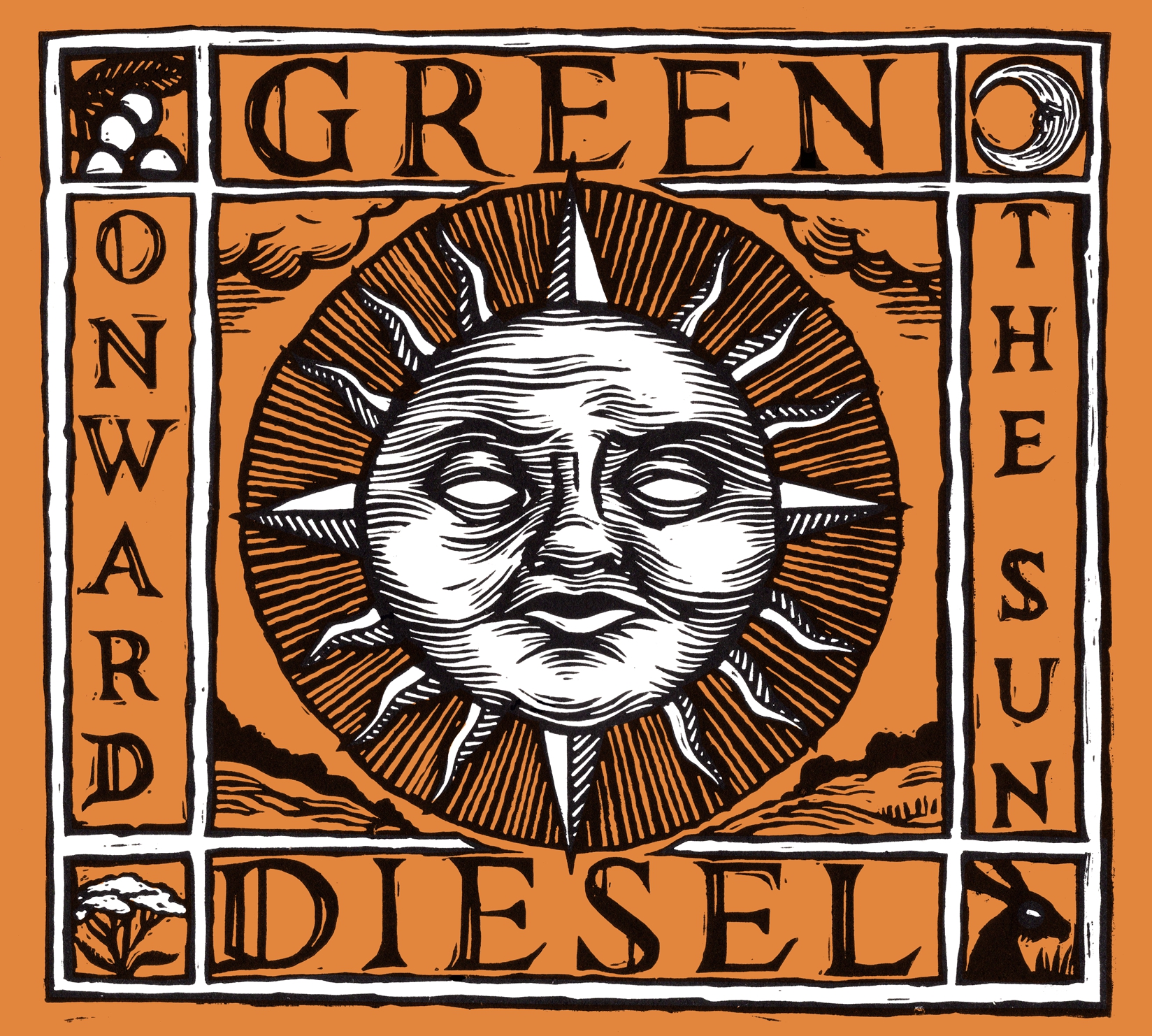
So, the album that we’re discussing is called Onward The Sun. It comes out on 25th of April. It’s going to be available digitally and on CD. That’s it at the moment. Who knows, if demand is there we might look at doing a vinyl version some way down the line. You can pre-order it. If you go to the website, which is greendieslefolk.com, you can order a copy there. It’s got a lovely front cover. It’s made by an artist based in Margate, which is not that far away from us, called Matt Pringle. And I think he’s really got the core of what we’re doing. So yeah, please check us out. We love to reach new people. If you do happen to be promoters for a slightly more mature folk rock band than you would have had a few years ago, then do get in touch because we always love to find new markets. But yeah, please give us a listen and I hope you enjoy it.

You can watch the full interview on YouTube here.

Onward The Sun! is released on 25th April by Talking Elephant https://greendiesel.bandcamp.com/album/onward-the-sun-2

Related posts:

Celebrated folk rock band Green Diesel back with long-awaited fifth album: Onward The Sun!

After Comes The Dark: new album from Green Diesel promises folk in glorious technicolor

Green Diesel at The Albion, Hastings 2017

Green Diesel album review – Wayfarers All

Green Diesel at Lewisham 2016

Interview with David Smith of Gypsy’s Kiss

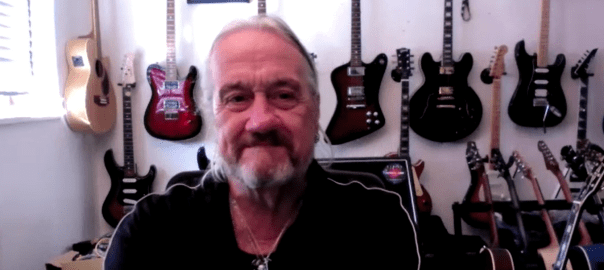
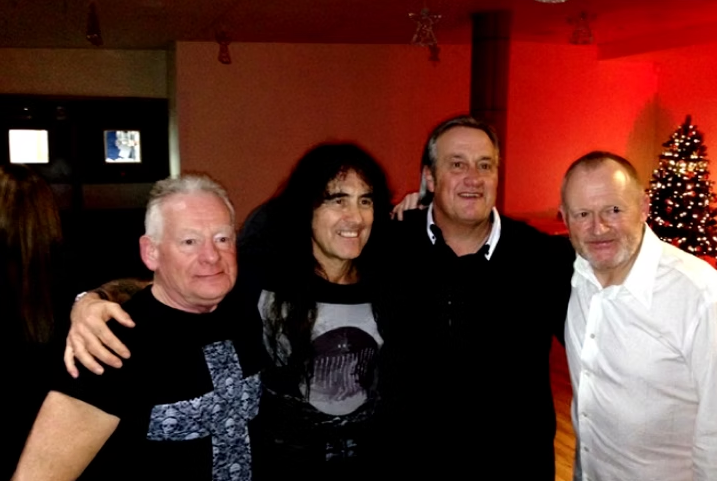
Back in the early 70s, David Smith formed a band with a former school-mate called Steve Harris, better known as the man who went on to create heavy metal icons, Iron Maiden. I catch up with David to talk about those early days playing with Steve in Gypsy’s Kiss, about reforming the band back in 2018 and about the enthusiastic response from both fans and reviewers to the band’s live gigs and recent album.

So back to the very early days. Steve Harris was a schoolfriend. When did you decide that you both wanted to be in a band together?

The middle of ’73 – when the world was in sepia, Darren! I had left Leyton County High School for Boys. Steve was also a pupil there but the year below me… And we met up after we left school – accidentally, I would say in the middle of 1973, because we knew each other and we had mutual friends. Our interests were aligned. We were both fanatical West Ham supporters. We loved football. We both loved rock music and, interestingly, we’ll come on to this – the influences for Steve and myself at the time were not always what you might think. They were obviously rock – but tons of prog and lots of other things.

It was a great time for music across all genres!

If you looked at an albums chart or even a singles chart between ’72 and ’74 you would be amazed that it’s the music people still listen to today. Because it’s so damned good. So, we became  good friends. We’d see each other three or four times a week, we’d go to the pub together. We’d talk about music. We’d talk about football. We’d share the bands we liked and we’d go and see a lot of gigs together. And then it would seem natural… “Why don’t we form a band?”

I played guitar for about two years before that. Steve wanted to be a drummer but couldn’t get drums in his nan’s living room which is where we rehearsed. Where he lived in Steele Road about half a mile from where I lived. And so, you get  that lightbulb moment: “I think I’ll be a bass-player…” Well, there you go. And that’s what he wanted to do so he and I went to – I wish I could remember the shop we went to – and he bought a Telecaster copy bass. And I taught him the rudiments because I could and then he took it from there.

And then, we must form a band! This band was just he and I for a month or two but we still rehearsed and we did mostly covers but not all because we were writing stuff, as you’re probably aware. Stuff that we’re still playing now and Steve references quite a lot. And so, we were doing that and we looked at other guitarists and we looked for drummers and eventually we decided to have only one guitarist which was me. And then we found a drummer. His name was Alan – I can’t remember anything more about him and there were, essentially, three of us in Influence [original band name prior to the adoption of the name Gypsy’s Kiss].

And for reasons why bands evolve, particularly when you’re only 19, we brought in Paul Sears on drums. And Paul is still one of my very best friends today. And then we rehearsed quite a bit and rehearsed in front of family and friends and did sort of pseudo-shows. I then wanted to concentrate on playing guitar more and I found singing and playing guitar a bit of a distraction so we brought in Bob Verschoyle and Influence became Gypsy’s Kiss.

Gypsy’s Kiss in 1974 (reproduced from Gypsy’s Kiss website)

And it became really clear – and the reason Gypsy’s Kiss dissolved away I would say in the summer of ’75 – was because Steve was a workaholic. He just wanted to rehearse and rehearse and rehearse. Like he is today. Rehearse and rehearse and play and play. And you know, “We can’t go out for a drink. We’ve got to rehearse this song”, “Oh, we’ve got to write that.” Paul and I had enough of it really at 20 years old and then Steve moved on. And when I saw him recently, I always reference his work ethic which he’s got right now.

You obviously saw the work ethic; did you get an impression from Steve early on at that stage that here was a Bonafide rock star in the making?

No. Because I wouldn’t know what one of those looked like to be honest. I saw them on album sleeves and at gigs and on TV. No, what he had and still has was a drive. I don’t think his ambition was to be the greatest rock bassist ever – but he’s in that league isn’t he? I think he wanted to be a professional musician. That’s what he wanted to be. And he wanted to be a good professional musician. And if you look from when Iron Maiden was formed in ’75 and, without being harsh, they didn’t do much for five years. Honing the craft, getting better, doing gigs.

But the thing about that period – and I played in other bands – is that there were so many places to play. And every place wanted an original band. Chuck in a few covers if they didn’t have enough of their own material. And so Iron Maiden and other up and coming bands, gigged and gigged and gigged and gigged. And they got so good at playing that the rest naturally followed. So, the long answer. Did I think he was going to be a rock star? I don’t think so – maybe he did. But he certainly had drive and that’s the most important thing.

So, Gypsy’s Kiss ran through ’74 and into ‘75. You were playing a mixture of covers and writing original songs. Did the drive to write original songs come from yourselves because you had that ambition or was it more that this is what the venues were expecting?

No. This is what we wanted to do. I don’t know if bands are the same now but bands who want to – not make it – but just wanted to do well and perform to audiences, we always wanted to write our own songs. In fact, we were writing stuff, or I was at first, and playing that. And when we started to get gigs after that it was, “God, we’ve only got half an hour. We’ll have to do something else.” So, we threw in… you know good covers. Ones that everyone was doing and a few that they weren’t doing and it filled out our hour-and-a-half set. So, then the set was based on the originals and there were about six or seven covers that we used to fill.

So, yes – our ambition was to write and record our own stuff. Steve’s done thousands of interviews. You’ve already read many of them. But one of them came up quite recently… and Steve said that when Gypsy’s Kiss folded, he joined Smiler. And the reason he left? Because they were doing too many covers. He wanted to write and do his own stuff.

When Gypsy’s Kiss came to an end did you always carry on playing in bands after that or was it just a matter of getting on with life and focusing on the day job and stuff?

Probably always in a band. You have some years where you lay off doing it and then go back. But when Gypsy’s Kiss came to an end, oddly, I was invited to join a country and western band. And I joined – you know Stetson hats and bootlace ties and satin trousers – and I was 20! And I played bass, by the way, which is even more weird! But it was twenty-five quid a night for me which in the mid-70s was actually quite a lot of money. So, I did that and then I went with other bands. I played in a band with Doug Sampson who was in Iron Maiden for a bit. And then I did other bands, other things, years off here and there. Yes, so pretty much all the time. I’ve probably been whatever full-time means now, i.e.: doing it constantly since the mid-90s.

So, let’s move on to the band today then. You reformed in 2018 for the charity gig, Burrfest. That was initially just as a one-off. How soon after that did you decide to make things permanent?

I’d been asked to reform Gypsy’s Kiss – out of Iron Maiden fans’ curiosity. I’d say more with an explosion of information online. Lots of people became curious and I was asked a number of times to reform some version of Gypsy’s Kiss. And I didn’t want to. Because I thought it was yesterday and it wasn’t right. Bizarrely, I was in a covers band from 2010 to 2017 – quite a reasonable one. And we played a gig in Gidea Park in Essex and without going through the boring details all of the original Gypsy’s Kiss members – including Steve – were there. He came to see us. Along with Teddy Sherringham, the footballer, for some bizarre reason. And during that gig, at the end of it, I said, “We’ve got friends here from my musical past. Do you mind if they come up and busk a song with me?” The band I was in didn’t mind. So, I got Paul on drums and Bob to sing – and I didn’t invite Steve to come up and play bass. The reason being it was already full of people filming. I thought, this is the last thing he wants. Everybody loved it. I’m sure it’s online somewhere. Steve came over to me at the end and he went, “I’m upset you didn’t ask me!”

The original members of Gypsy’s Kiss meet up in 2013 (Photo reproduced from Gypsy’s Kiss website)

And you were trying to give him a quiet life!

I was trying to not put him in an online spot. So that was 2013. And I’d been asked a number of times. Darren. I just didn’t want to do it. However, I buckled to the pressure in 2017. And it was, “Would you play Burrfest?” I think it was in the March 2018 and I went, “OK.” I asked Paul to play drums. He didn’t feel up to it at the time. I asked Bob to come and sing. And, again, I didn’t ask Steve – and he’s moaned at me about that since!

So, using musicians I knew locally and whatever, I put the band together. A real one-off. And it was such a great gig. The audience’s reaction to this thing that they wanted to see – and they wanted to hear some of the original songs that Steve had played on – was just amazing. And I sort of thought, well this is a bit silly , not to do this again.

Gypsy’s Kiss at Minehead, Butlins 2025 (Photo: Darren Johnson)

Obviously, our fanbase such as it is was Iron Maiden fanatics. Probably still is. But we’ve worked really hard to try and widen that and maybe we have. You’ve probably seen – and I still use it when I find it helps – our tagline ‘top of the Iron Maiden family tree’. And if we’re doing something specialist, we do occasionally play some Iron Maiden songs. The early songs. We’ll do one or two of those if the audience is clad in Iron Maiden t-shirts. It seems a bit churlish not to, doesn’t it?

And no way would I ever forget the past because it’s why the band exists but you try and move on. In saying that, I got very, very friendly with Paul [Di’Anno – former Iron Maiden singer] again about five years ago. Because we had the same interests – rock music. He was born just up the road from me. We went to the same school. We knew the same people. And we met up – I went round to his flat – and we chatted for ages about stuff. And Paul and I became really, really good friends. And we did gigs with him and, you know, his loss was enormous. He was such a nice guy. And when we did some gigs with him it was huge fun. And his passing – his funeral was a bit of a celebration really, as it should be. At the service Maiden songs were played which was quite touching. And the point I’m getting to now is, I sang a few tribute shows as Paul after that. I really enjoyed it… So, I’ve not completely forgotten the past but we do try and shuffle on.

I think if you’d had a grand plan for all this over a fifty-year period, you chose a good time to reform in many ways, with a renaissance for classic rock on the live gig circuit.

What I’m most grateful for is the period I was born and grew up in which was just so changing, so iconic, so wonderful – for me anyway – from the flow of music from the ‘60s to the ‘70s. You know, in my formative years I was able to grow up with some of the most fantastic music and great influences. That’s what I’m really grateful for.

And then, as you say, as you get into your dotage, if you reform there’s been a resurgence in classic rock. And what we’ve tried to do – I hope we’ve succeeded in a small way – is to take that fantastic genre and to slightly update it. Without losing its heart. And so, you give the audiences what they want but something a little extra. And we certainly have elements of prog in our songs. Our third album is coming out this summer – it’s not quite finished – which I’m really pleased with.

But I think essentially, we are a live band. You know, we ham it up a lot on stage. We swear a lot. We’re involved with the audience. That’s what I think we are – a live band but we try to bring out our diverse musical influences, based on classic rock.

You must be pleased with the reaction to the 74 album which I think very much stands up on its own terms, regardless of any historical Iron Maiden connection.

That’s very kind of you and, interestingly, a lot of reviews said the same. If I’d have gone back to 1974 and thought, one day, David, your album will be reviewed in Classic Rock and people will say what you’ve just said – it’s not a curiosity of Maiden, it’s a stand-alone band – I’d have thought, well that will be good. I’ll take that as a pinnacle of one’s career!

Yeah, we were really pleased with 74 and I still am. And it’s the basis of our set for the new album – which hopefully will be out in July. There’s some of the past in the style of music. We can’t do an album that doesn’t have a gallop in it somewhere because that’s how it all happened. So, there’s, what I would say, more retro songs and some that I think are probably more up to date. But you know we’ll see. I just enjoy playing stuff live to be honest… I would say that’s why any musician wants to do what they do because there is nothing like standing on a stage in front of a number of people – it doesn’t mater if there’s twenty or thousands – and you enjoying what you’re doing. And if you get one person in the audience who looks like they’re having fun I find that great.

In some of our earlier Gypsy’s Kiss gigs, once we’d been a few years in. I still found it quite odd that people in the audience were singing back the lyrics that I’d written probably knowing them better than I do. And I still find that quite a sensation.

I think that’s also testimony to the skill of writing really catchy songs that instantly grab people’s attention. That is a skill.

That’s very kind. You’ve probably heard in our music – and it’s where Iron Maiden evolved down a parallel track – is that I was brought up on Wishbone Ash and Thin Lizzy. You know, guitar bands, harmony guitar bands. And like Iron Maiden, we are three guitars doing guitar harmonies and rock riffs. I get asked, “Who do you think you’re like?” Well, I think we’re like ourselves. But I hear in our writing and playing, bits of Wishbone Ash and Thin Lizzy, bits of Uriah Heep. And I’m not ashamed of that at all. That’s the music I grew up on.

So, what next for Gypsy’s Kiss then?

It crossed my mind, thinking of age and circumstances that last year was our 50th year which we did quite a lot on and it went really well. And I did wonder whether the 50th was a good time to stop doing it – and we’ll see what Iron Maiden do after 1975. But I said, “Ok, we’ll do another year.” So, this is out 51st anniversary tour and we’ve got a lot of gigs already confirmed.

I enjoy festivals more than anything because I can listen to other bands and you just enjoy the vibe and you meet all the people there so we’ve got quite a number of festivals. The album coming out in July, I hope. Gigs start in April and run through until end of November so we’ll be here there and everywhere. And I’m looking forward to it. The live stuff is what we all look forward to and we’re three times this year back at our spiritual home. I say the Cart & Horses is actually the birthplace of Gypsy’s Kiss rather than Iron Maiden.

Well, you came first!

We did our very first gig there. We’ve got three gigs there. You’re probably aware, we’re playing at a midnight show at the Cart & Horses after the Maiden gig fifteen minutes up the road – which sold out in about fifteen minutes. It was really quite odd! But we’ve got other gigs at the Cart & Horses and we’re doing a short tour with Soulweaver. We’re doing about five or six gigs with them because we get on well and the music’s complementary, I think. And we’re doing a few gigs with a prog band called Ruby Dawn who are really, really good. So yeah, we’ll be here there and everywhere, with an album to flog in the middle of the year.

New album – Piece by Piece out in July

Forthcoming Gypsy’s Kiss gigs here

https://www.gypsyskiss.net/

Related posts:

Live review: Gypsy’s Kiss / Praying Mantis at the Carlisle, Hastings 2024

Live review: British Lion at Blackbox, Hastings 2024

Behind the mask: interview with Thunderstick’s Barry Graham Purkis

Interview with Fairport Convention’s Dave Pegg

Ahead of Fairport Convention’s Winter Tour, I catch up with Dave Pegg. We discuss the making of the Full House album, the crucial role that Jethro Tull played in Fairport’s resurrection, changes afoot at Cropredy this summer so that the festival survives the financial pressures facing the sector and the forthcoming tour, starting 31 January.

We’ll talk about the Winter Tour and about Cropredy later but first I want to start right at the very beginning – well the very beginning for you. I was re-reading the Fairport by Fairport book and it was Swarb who really pushed for you to be auditioned after Ashley left. It seems that the others were a bit sceptical at first?

Well, what happened Swarb used to be in the Ian Campbell Folk Group and he’d left a couple of years before I joined them to go off to play with Martin Carthy. He knew of me through the Campbells because he joined the Campbells for an album that they did. It was just a reunion kind of album and I played on it. He was aware that I wasn’t really a double bass player, which I played with the Campbells. I said, “This isn’t really my instrument, mate. I can get away with it but I’m a bass guitarist. I’m a rock musician really.” He remembered this and when I saw Fairport on my 22nd birthday at Mothers Club, it was the last time the Liege & Lief line-up played together and I was blown away. I thought it was fabulous. I thought I’d love to play with that band and literally the next day I got a call from Swarbrick saying Ashley was leaving and they were looking for a bass player. And that’s how I got the audition. The others were a bit scared because when he said I’d played with the Ian Campbell Folk Group, they thought I’d be like the Aran sweater and the beard, like a proper folkie, but I knew absolutely zilch about folk music at all – and still don’t!

And when you did join did it feel like you’d found your natural home or did it take a while to settle in?

No, I kind of settled in pretty quickly. I mean because the Fairports are great players and they were from the same background as myself. Richard was an astonishing guitarist, even at that age. And the rhythm section, Simon and DM, they were just fantastic to play with. And then there was the added bonus of Swarb who was re-inventing the way that he played the fiddle. Because now he was kind of getting into rock music and was using his Echoplex and he’d got a really crude pickup on his violin made from a telephone (laughs). But it was very early days in terms of electric violin. But the weirder thing about it, we were rehearsing stuff, we’d moved into this place, The Angel at Little Hadham and we were rehearsing songs but without a vocal, without anyone singing. Because, of course, Sandy had left the band as well and it meant the band didn’t have a vocalist so it was a case of drawing straws to see who got the short straw. It was Richard and Swarb who did most of the vocals. Simon, after a while – Simon’s a great singer – but in those days Richard and Swarb hadn’t really sung at all.

Yes, it great how everyone’s confidence as vocalists grew.

Yeah – we made the Full House album. We recorded most of it in London and we went to New York to overdub the vocals. It was made at Sound Techniques in London, engineered by John Wood who was a fantastic engineer and Joe Boyd [producer] allowed us to do whatever we wanted, musically. But Joe kind of trusted the band. What was great about his production for Fairport was the fact that he’d allow us to do whatever we wanted. And he also he knew lots of people in America and we went to New York and we overdubbed most of the vocals in New York, in a studio where Dylan had recently recorded.

Now when I interviewed Simon this time last year, he said this was like being asked to name your favourite child, but I’m going to ask it anyway. What’s your favourite Fairport album?

It’s a very hard one for me because I’ve been involved ever since Full House, which was the first one I played on in 1970. There’s been so many different Fairport line-ups and I find it hard to compare one album against another one. Well, for me, my favourite album before I joined was Unhalfbricking, which I think is a remarkable album. Things like ‘Percy’s Song’ – it’s just incredible that song. I know Dylan really rates that version. Unhalfbricking was my favourite pre-joining Fairport. And the albums that I’ve played on, where there’ve been different line-ups, things like Fairport Nine mean a lot to me because it was a re-establishment with some great players and some great tracks on it. Obviously, Rising for The Moon is another great one for me because it was Sandy coming back. And things like Gladys’s Leap which was again…

Another coming-back album!

Yeah, another coming-back album. And the last one, Shuffle and Go, that we did which I think stands up as good as anything Fairport’s ever recorded. I can’t pick one album. It’s impossible, Darren, for me in that sense!

The second half of the ‘70s looked like it was all going pear-shaped for the folk rock genre. Steeleye Span split up in ’78; Sandy was dead, tragically; Richard and Linda had gone off to a religious commune. Do you think the Cropredy Farewell concert in 1979 played a big part in turning things round again?

Well in terms of turning things around, it was a kind of the end of Fairport as it was because we had split up. Swarb was going to live up in Scotland. There was no longer a working band. I went off and joined Jethro Tull, which was a lucky break for me and I was with them for like fifteen years. And what happened was Cropredy Festival kind of evolved as a get-together, because we’re all mates in Fairport. When we split up there was never really any animosity when people came and then left the band. It was always because they had ideas about what they wanted to do personally. And people like Richard, his talent was too big for Fairport Convention if you like – his ideas about what he wanted to do musically. The group was a bit inhibitive for him. We couldn’t do all the things he wanted. Same with Sandy. We couldn’t do orchestral arrangements. And they were both great songwriters. Well, Richard still is, obviously. But when they left the band the rest of the guys didn’t feel bad about it. We would do everything we could to encourage it. Because we were all mates, it was nice for us to get together.

And, basically, because of Jethro Tull I was in a better situation, financially. My ex-wife, Christine, and myself – we thought it would be nice to keep the band going, even just for a reunion. So, we would plan these things at Cropredy. And we started a little label, Woodworm Records in order to put out our own product and to put out stuff by people who we thought were really good – like we put out an album with Steve Ashley called the Family Album, which is one of my favourite albums. And we made albums with Beryl Marriott and, later on, with Anna Ryder, and Bob Fox. And with Simon Nicol we did two of Simon’s. This was all due, thankfully, to Jethro Tull. Ian [Anderson] and Martin [Barre] kind of adopted me and invited me to join the band and looked after me, financially. So instead of buying a Rolls Royce, I converted a Methodist Chapel – an old chapel next to our cottage in Barford St Michael – into a studio in order that we could make our albums.

In the Fairport book I think you talk about it being a hobby that got out of hand.

Yeah, it did get a bit out of hand (laughs) but it paid off in terms of having a facility where we could all make albums and we could rehearse at. In fact, it’s still a great studio, Woodworm. We’re there in a couple of weeks rehearsing for our tour. And we do record there still. Stuart [Jones] who runs it, the investment that he’s put into it is something that I couldn’t have done. Everything got kind of out of hand in terms of the cost of doing stuff and a lot of studios closed down. Basically, because of the invention of the laptop! And things like Garageband [software app]. My laptop that I’m looking at now seeing your face on it, has more equipment on and is a better studio than my studio in Barford St Michael that was. If only I knew how to operate it!

Primitive though the technology was at that time, it clearly provided, along with the festival, the foundation for the rebirth of the band.

Exactly, yeah. It was brilliant and the album, Gladys’s Leap – we’re looking at a few tracks that we haven’t played for years on this upcoming tour. It’s great for us. And it’s great having Dave Mattacks back on the tour because he comes all the way from America and the Gladys’s Leap album was such an important step in the reformation of Fairport Convention.

And another question on Cropredy before we move on to this tour. To keep the festival viable, you’ve made some changes. It’s funny because there was a group of us sitting in the camping field at Cropredy last August discussing this very thing and we all agreed that to keep the festival financially viable you’d have to downsize so you weren’t tearing your hair out about whether you’d get the numbers each year. And that seems to be what you’ve done, pretty much.

Well, luckily, Gareth Williams our CEO came up with several formulas for trying to make it pay. It’s always been such a gamble, the last couple of years especially. Because when you don’t know how many tickets you are going to sell, you can’t budget. You’re guessing about the number of people who are going to turn up. Gareth’s idea – we’re only going to sell 6,500 tickets and we’re only selling three-day tickets. Because we know we’ve got that lump of income and we can budget accordingly without the risk of going bankrupt. What happens to a lot of festivals is they overspend. Stuff like building the site at Cropredy is the most expensive aspect of our festival because you’re building a town in the middle of nowhere. There’s no electricity, there’s no water, there’s nothing. You’re putting everything on that site and as the years go by, it gets more and more expensive. And we could no longer risk it. We didn’t want to go bankrupt and it happens so easily and it’s happened to so many other festivals. The price of just the actual infrastructure for all these events went up so much. It went up like 30% over the space of a year and that’s why a lot of these festivals went down. And also, the fact that to get kind of headline acts is an absolute fortune nowadays. Little festivals like Cropredy can’t attract huge names.

So, we won’t be seeing the Alice Coopers any more but you’ve still got a fantastic line-up within the budget constraints. Within the world that you operate, you’ve got a fantastic line-up.

It’s a fantastic line-up and it’s a line-up of people that want to play at Cropredy and people that we want to see at Cropredy… But we’ve been very lucky that we’ve had people like Brian Wilson, for example, at the end of a European bash. Alice, for example, said Cropredy was the best audience he’d played to in Europe. But looking at it from a pure economical point of view, we can’t run the risk of doing that. So, what we’ve done now is rationalised things. Only doing the three-day ticket, which some people will complain about  because some people only want to go for one day. It’s a shame but we’ve designed the festival for the people who’ve been with us over all those years, who come for three days, who come for the fact that Cropredy means a lot more to them than having a huge act on that’s probably their only chance to see. And we’ve put acts on that we think are really good.

I think it’s reassuring because we’ve got happy memories of your flirtation with the big league, with acts like Alice Cooper or Chic or whatever. But at the same time, we’ve got that reassurance that we know the festival can go ahead and it’s not going to go bankrupt.

Yeah, that’s it. It’s the only way that we could carry on. It’s a kind of test year this year because if it works, we’ve got a formula that we can kind of stick to. It’s adaptable. We may be proved wrong. There might be such a swell of people wanting to come. Last year we sold something like 9,700 tickets which was 2,000 less than the year before. Cropredy, it’s like a mature kind of crowd you get there with all due respect. A lot of them are ageing. They don’t want to camp any more. They enjoy the glamping and a lot of them have got motor homes or caravans. That’s great. But there are very few hotels about available nowadays and a lot of people think twice before taking a bivouac out and roughing it in the field. Although as we all know, Darren, the weather’s always perfect at Cropredy!

We’ve never had any rain! The sun’s never been too hot!

I think we’re going to have a fantastic year and I’m really pleased about the line-up. There isn’t a bad act on it and I’m so pleased that we’ve got Albert Lee because we’ve been trying to get Albert for years. And Martin Barre coming back – Martin is a great guitarist. And we’ve got Deborah Bonham – I love Deborah’s singing. The Churchfitters are coming back. And Trevor Horn’s coming back. We missed him last year because he was poorly and he had to cancel so it’s great having Trevor back.

I think that within the financial constraints that you’re operating in, it’s still a fantastically diverse line-up which has some of the folky elements and some of the classic rock elements and I’ve always liked that mix. You’ve still managed to maintain that.

Yeah, the diversity musically is one of the attractions of Cropredy, I think, because it’s not all folkie and it never has been because we’ve always had a real mix of music, like reggae, rock. We’ve never really had punk bands but we’ve had some very diverse kinds of music on there – and that will always be. The criterion is whether we think the acts that we book musically fit the bill. If the bands are all really good, the only people that suffer are us because we have to follow them all. It’s not funny. Two years running I’ve sat out in the field and I’ve watched and I’ve thought, “This is fantastic. The sound’s great, the screens, you can see everything, you don’t have to move, the bar’s only like a minute’s walk away and everybody’s so friendly and having a great time.” And then when it comes to Saturday night, I’m like, “Oh hang on, we’re on now. We’ve got to follow that lot!” It’s not easy. There’s a lot of nerves when we get up on that stage, because we play for about three hours.

In fact, this year’s going to be really fun for us because when we open on Thursday, we do our twenty-minute acoustic spot. We do Chris’s song the ‘Festival Bell’ and then we’re going to be joined by Joe Broughton’s Folk Ensemble. So, fifty students from Birmingham Conservatoire who are monster players and we’re going to do the biggest version of the ‘Lark in The Morning’ medley from Liege & Lief. Which should hopefully set the mood for the rest of the weekend.

Let’s move on to the tour then. What do you want to tell us about the Winter tour, starting 31 January?

I think we’ve got 27 dates altogether. We try and cover the whole country. We start off in Nottingham and we finish up in Tewkesbury. We’ve only got one Scottish date, although it’s great to be in Edinburgh. It’s nearly sold out. The tickets are going really well which is great. And we still enjoy touring enormously and treading the boards has always been what Fairport is good at. We’ve had more success playing live than we’ve had making albums.

Thinking back to when you first joined it must fill you with a certain sense of pride, knowing you’ve helped keep the show on the road all these years. In spite of all the problems in the festival industry, in spite of, sadly, former members no longer being with us, you’re still getting out there. It must give you a certain sense of satisfaction when you’re about to head out on tour again.

Absolutely. It’s great to get in the van. Getting in the van is easier than getting out of it. We’re banned from making pain noises now when we get out the van. But, Darren, I can assure you, I’m really ready to get in the van again and get ready to go out on the road. All I’ve got to do is learn two hours of music! Or re-learn. You think, “Oh I know all that stuff. I’ve played it hundreds of times.” And then you go, “Oh-oh”. We might be doing ‘The Lass from Hexhamshire’. We actually play in Hexham – on Valentine’s night – so it will be a great opportunity to get that song in the set – but, of course, we’ve got to learn it. And it’s quite a complicated arrangement from what I can remember. So that’s this afternoon’s work. I’ve lit the fire here because it’s really soggy and cold in Brittany so that’s my afternoon – learning the set.

Well good luck with the preparations and I look forward to seeing you at Union Chapel.

Tour dates:

January
31st Nottingham – Playhouse

February
1st Edinburgh – The Queen’s Hall,
2nd Alnwick – Alnwick Playhouse
4th Milton Keynes
5th Southend – Palace Theatre
6th Bury St Edmunds – The Apex
7th Canterbury – Colyer Fergusson Hall
8th Farnham – Farnham Maltings
9th Worthing – Connaught Theatre
11th Wakefield – Theatre Royal
12th Newcastle under Lyme – New Vic Theatre
13th Manchester – RNCM – Royal Northern College of Music
14th Hexham – Queen’s Hall Arts
15th Colne – The Muni Theatre
16th Lytham St Annes – The Lowther Pavilion
18th Lincoln – The Drill
19th Sunderland – The Fire Station
20th Leamington Spa – Royal Spa Centre
21st Harpenden – The Eric Morecambe Centre
22nd London – Union Chapel
23rd Corby – The Core Theatre
25th Swansea – Taliesin Arts Centre
26th Exeter – Corn Exchange
27th Southampton – Turner Sims
28th Bath – The Forum

March
1st Bridgnorth – Castle Hall
2nd Tewkesbury – Roses Theatre

Tickets via: https://www.fairportconvention.com/

Related posts:

Interview with Fairport Convention’s Ric Sanders

Interview with Simon Nicol 2024

Live review: Fairport’s Cropredy Convention August 2024

Live review: Fairport’s Cropredy Convention August 2023

Live review: Fairport’s Cropredy Convention August 2022

Book review: ‘On Track: Fairport Convention – every album, every song’ by Kevan Furbank

Fairport Convention at Bexhill 2020

Live review: Fairport’s Cropredy Convention August 2018

Fairport Convention at Cropredy 2017

Album review – Fairport Convention ‘Come All Ye: The First Ten Years’

Fairport Convention – 50th anniversary gig at Union Chapel 2017
Fairport Convention at Cropredy 2014

Fairport Convention at Union Chapel 2014

2024 in Darren’s music blog – the ten most popular posts of the year

A Happy New Year and thanks to everyone who has visited Darren’s music blog during 2024. As usual, we have a nice eclectic mix of musical genres featuring in this year’s top ten most viewed posts: folk-rock, prog rock, glam rock and much more besides. Here’s to 2025! 

1. Live review: Saving Grace with Robert Plant & Suzi Dian, White Rock Theatre, Hastings 23/3/24

Of all the ‘70s rock gods, Robert Plant is perhaps the one who has most has steadfastly refused to be pigeon-holed in the superannuated, stadium heritage rock act persona. It’s meant he’s continued to surprise and delight with new musical ventures. And it’s meant I could stroll along up the road to see him and his band perform an intimate gig in my local theatre.

Read full review here

2. Interview with Fairport Convention’s Simon Nicol

Ahead of Fairport Convention’s 2024 Winter Tour, I caught up with Simon Nicol. We discuss Dave Mattacks’ return to the Fairport fold, the forthcoming tour, this Summer’s Cropredy and why he won’t be retiring any time soon.

Real full interview here

3. Farewell Frank Torpey – the last surviving original member of The Sweet

Frank Torpey’s role in the history of The Sweet was a small one but, nevertheless, an important one. Moreover, as well as continuing to play and record, he was always happy to engage with fans about The Sweet’s very early days. My tribute to Frank, who died in March this year.

Read full obituary here

4. Live review: Fairport’s Cropredy Convention August 2024

As things drew to a close with the familiar rendition of ‘Matty Groves’ prior to ‘Meet On The Ledge’ Simon Nicol confirmed that he’d been given permission by the ‘powers that be’ to throw in his usual ‘same time next year?’ invite, in spite of the festival’s future looking extremely precarious earlier this year. Phew! It will be going ahead in 2025 then. I’ll be there…

Read full review here

5. Bowie backing vocalist to reprise iconic ‘shopgirl’ role on ‘Absolute Beginners’

‘Oh, and I need to find a girl singer who sounds like a shopgirl,’ he said.

‘My sister Janet sings a bit, and she works in Dorothy Perkins,’ I ventured.

‘Great,’ he laughed. ‘Get her in.’

Read full article here

6. Live review: Oysterband & June Tabor, De la Warr Pavilion, Bexhill 5/10/24

It was almost exactly ten years ago when I last saw June Tabor and Oysterband at the De La Warr Pavilion, my first time visiting this stunning piece of 1930s architecture. I wasn’t even living down here yet but a friend had a spare ticket going and I came down for the weekend. So, when Oysterband announced their ‘Long Long Goodbye’ farewell tour with June Tabor, once again, as their very special guest I booked a ticket straight away.

Read full review here

7. Beckenham, Bowie, the Spiders and glam: interview with Suzi Ronson

Suzi was a small-time hairdresser in Beckenham before being swept up in a world which saw her become stylist for David Bowie and the originator of the iconic Ziggy Stardust hairdo as well as falling in love with the late Spiders From Mars guitar icon, Mick Ronson, who she would go on to marry.

Read full interview here

8. Live review: Tubular Bells – the 50th anniversary celebration at White Rock Theatre, Hastings 30/10/24

From the familiar opening bars of part one of Tubular Bells, through every second that followed the who thing was just a magical, mesmerising and utterly unforgettable experience. For something that was so clearly conceived as a studio project, to see it transformed into a live performance piece in this way will stay with me a long time. Hats off to Robin A. Smith for pulling together such a stunning interpretation of one of the all-time classic instrumental albums.

Read full review here

9. Live review: Martin Turner ex Wishbone Ash – White Rock Theatre, Hastings 6/9/24

Performing two hour-long sets with a short half-hour interval in the middle, it’s a superb night packed full of Wishbone classics. I won’t say I haven’t enjoyed Andy Powell’s ‘official’ version of the band when I’ve seen them live but, for me, what gives Turner’s outfit the edge is being able to hear the original voice behind many of Wishbone Ash’s most famous songs live on stage. And his bass-playing is as majestic as ever.

Read full review here

10. Live review: Justin Hayward at De La Warr Pavilion, Bexhill 16/10/24

With the death of Mike Pinder earlier this year, none of the original ‘Go Now’ line-up of the Moody Blues are still with us. And only Justin Hayward and John Lodge now remain from the classic ‘prog-era’ post-1967 line-up. But the music they leave remains with us and Justin Hayward does a hugely impressive job in celebrating the band’s legacy with affection, panache and good humour, along with some incredible musicianship on stage beside him.

Read full review here

2023 in Darren’s music blog

2022 in Darren’s music blog

2021 in Darren’s music blog

2020 in Darren’s music blog

2019 in Darren’s music blog

Interview with Fairport Convention’s Simon Nicol

Ahead of Fairport Convention’s 2024 Winter Tour, starting in February, I catch up with Simon Nicol. We discuss Dave Mattacks’ return to the Fairport fold, the forthcoming tour, this Summer’s Cropredy and why he won’t be retiring any time soon.

So you’re obviously looking forward to the Winter Tour then which starts early next month. What can fans expect this time?

Well, for those who didn’t catch DM (Dave Mattacks) with us last year, you’re in for a different kind of musical experience than the last twenty-five years with Gerry. That’s one thing. But the other thing that’s happened with DM, it’s not just the style of playing, it’s the way it’s easily opened up a lot of the repertoire that Peggy and I, and Ric, and DM kind of all know. Because that line-up from ‘85 to ’98, when DM moved over to America, created a lot of its own material. But, of course, Ric was easily able to adapt to much earlier material so it’s really only a case of Ric and Chris now having to learn old stuff if we want to go back to the early days of when Peggy joined. It’s suddenly opened up a huge tranche of the back catalogue which, I’m happy to say, we’re having a look at this year. We’ve been dusting off the old LPs and we’ve found some things that have never really been in the repertoire at all. So it’s going to be an adventure for us and a real voyage of discovery for some of the older – well the more mature members of our audience who perhaps remember us from college days and are now in retirement. They’ll be hearing some stuff that they haven’t heard for decades. And a lot of that will be brand-spanking-new for newbies.

Excellent. So there’s going to be quite a few surprises, then?

Yeah! I hope so! All good ones. You say it’s quite soon but I’ve got a daunting number of things to do before we all actually get together and start practicing under the one roof. Because we all live miles apart. Peggy’s in France when he’s not in this country, he’s over there. DM, obviously, he only comes over a few days before from Boston. I live down in East Kent. So we don’t actually see each other very much considering we’re kind of based in north Oxfordshire.

Has it all slotted in place, in terms of working together. Does it feel very comfortable having Dave Mattacks back?

Yes. We’re used to planning a repertoire in this way. There’s a lot of to-ing and fro-ing and discussions on the phone and WhatsApp groups, where we chew the fat. And then people go off and listen to the songs in question and we end up with a big rag-bag, a bucket of songs if you will. And Chris is the clever one. He sits down and tries to work it out – “Let’s put this one here. Let’s put that one there.” And then there aren’t too many instrument changes and not too many things in the same key and a bit of a rise and fall to the shape of the two sets.

Yeah, we’re very much looking forward to it and we’re used to working that way so when the time comes and we get together in the studio for the rehearsals – two days of that – everybody’s on the same page and there’s not much to be worked out. Just – “Does this still work in this key?” That’s one of the big questions (laughs) because obviously voices and so forth change.

Voices change over the decades! And talking of Dave Mattacks coming back, you never seem to have suffered the sort of rancour with former members that have often bedevilled other bands. That seems to suggest that Fairport Convention has always been a relatively happy working environment. Is that true?

Well, it’s many things. It’s a band. It’s an environment. It’s a family in many ways. I’m closer to the guys I’ve been working with for fifty years than I am to my own immediate family really – I spend more time with them! Been through more adventures! It’s been said before but no-one gets out of Fairport alive. You may stop coming to the gigs but, you know, underneath it all, if you scratch deeply enough do they not bleed Fairport?

So you’ve never really had any of those Noel and Liam Gallagher moments?

Oh.. well. Obviously there are hearty and firm disagreements occasionally and there have been moments when you haven’t spoken to people but there’s a parallel there going back to the family thing or in any small office. Occasionally there’ll be frictions but basically, if you’re a band and a band-member kind of person, I don’t get it. If you’re at daggers drawn and you don’t cut each other slack all the time then you’re probably in the wrong band. You’re probably working with the wrong collection of people because you’re just making life unpleasant for yourself.

Yes, it seems an incredibly sensible philosophy but it seems to evade quite a few bands.

Well I think there’s the famous difficulties which brothers always have when they form groups. There never seems to be a seamless happy bunch of brothers. I mean the Finn Brothers seem to do ok but what do we know about their.. they just make wonderful records. But the Kinks were at it when they were kids. And the Gallaghers dear oh dear. And even the Everlys used to travel to gigs separately and have their own managers and their own lawyers. They would talk to each other through their lawyers and they’d come on to the stage. One time I saw them they came on from different sides and when they went off they didn’t look at each other and they walked off separately…

So Fairport’s a largely happy family rather than a dysfunctional one then..

I don’t want to be all Pollyanna-ish about it but, you know, I think we’re all cutting each other slack all the time and happy to do so.

And moving on, from Fairport Convention’s vast back-catalogue, what album are you most proud of?

Oh God, I don’t know. It’s that favourite child question again isn’t it? I think it’s more of a repertoire to me. A performance on one album enshrines a particular place and a time and a collection of people at that point in their lives. But, you know, we’ve had ‘Crazy Man Michael’ in the repertoire, along with ‘Matty Groves’, since they first surfaced on Liege & Lief in 1969 and I don’t think there’s a definitive version of either of those songs. Certainly, there isn’t in my head when I go to sing that song. If I see it on the list and it’s coming up, I’m not thinking, “Oh, the definitive version of this was recorded on this particular album. This is what I’m going to try and emulate now and try and make it as close to that as possible.” You now, I’m not a human juke-box and the band doesn’t feel like that. We’ve got this song. We all know where it starts and finishes, what key it’s in, what tempo it is. And on the count of four, we’ll start playing it and what comes out that night will be tonight’s performance. It’ll have the same structure as last night’s performance but it’s not the same song. Because my mind will be somewhere else in this song. The person standing next to me playing will be on their own little passage from note one ‘til the end. And I’m sure it’s the same with actors. They perform the same play every night but every night is a first night for that play and that song because it’s a performance.

Fairport Convention’s second album where ‘Meet On The Ledge’ first appeared

Even ‘Meet On The Ledge’ – probably your most well-known song from the live repertoire – that’s evolved massively over the years from the quite gentle and understated song when it first appeared to the rousing anthem for live performance now.

That’s right. It was just a ‘no-big-deal’ song on the second album. It was tucked away on Side Two, Track 4 which is a bit of a graveyard slot for most songs. It wasn’t what you heard when you dropped the needle but it has grown in the telling. It’s a song that’s grown in the telling and it’s acquired more reasons to perform it every year. And I know it means the world to people at Cropredy when we come to it – and not just because we can all go home soon! But because of what it’s come to mean to all the people who are there.

Yeah, it’s gathered extra meaning along the way for the audience and gathered more and more meaning over the years.

You also recently announced the final line-up for Cropredy this year. What are you most looking forward to? (apart from your own set of course!)

That’s another bit of a favourite child isn’t it! I’m looking forward to seeing the reactions of the audience who, implicitly, trust our judgement in selecting the bill and you always get the positive feedback and you always get… it’s a bit like TripAdvisor. You hear the best reviews and you hear the worst ones, you know? And you have to disregard the complete outliers because those aren’t a good ship to follow. And some acts you just know are nailed-on. They’re going to be an absolute banker in terms of the reaction. People’s response to them is just.. that’s why you book them. They’re a certainty. But the funnest acts or the ones that create the most warm feelings at my time of life are the ones that are largely unknown or perhaps under-exposed to the audience. And they go on and they’ve got this huge stage, this wonderful setting to perform to and an audience which is trusting and agog and waiting to be entertained. And you put somebody that’s not had a go before or maybe only has a hundred-and-fifty friends in the audience and then ten minutes later they’ve got the whole audience. Ten thousand new best friends! And that’s a wonderful feeling. And I can think of the Travelling Band having that experience happening to them and, of course, the Pierce Brothers

The Pierce Brothers, they were incredible.

If you weren’t there, I feel sorry for you!

I’d actually seen them, I think a week or so before at Womad and they were just on a small stage with maybe a hundred or so people and I thought, “There are going to go down pretty well at Cropredy.” But yeah it was just incredible.

They went down so well we booked them the next year which is, you know, an absolutely unique experience. Buy yeah, that’s like if you go back to last year for instance, we knew that Chic would be an absolutely 24-carrat performance. But what surprised me was the act before them. Because Toyah and Robert (Fripp) were a little bit of an unknown quantity. You had no idea what their repertoire would be derived from and then they came on and they just tore the place up. It started with ‘Paranoid’ I think, just the set-list from heaven and the performance was just… everything was turned up to the right level and it just absolutely cooked. So I had that same experience. I knew it was going to be ok. It might be great but it was better than both.

This year though, we’ve got some unexpected people, unknowns. And I can tell that you know the Spooky Men’s Chorale. I think that they are going to surprise a lot of people who wouldn’t have come upon them. And they’re so different. What they do is just absolutely heart-stoppingly beautiful and so funny and so moving and you can get all of that in the space of about ten seconds. He’s a brilliant showman, Steve, and I’m really pleased we managed to get them.  

Photo credit: Simon Putman

Other bands have run their own festivals over the years. The Levellers have been doing Beautiful Days for about 20 years I think, but I can’t think of a single one that’s lasted anywhere near as long as Cropredy. What do you think the secret is?

I don’t know but if I could put it in a bottle I could sell it. No, it’s great and all festivals have to confront the same logistical situations. The same questions have to be answered in many different ways. But there are more questions that set Cropredy apart really than make easy parallels with other festivals. It’s just the way it’s grown out of something that was in the village. It wasn’t started as a commercial thing. It literally was the village hall committee asking us if we’d perform for them after the village fete. So it got it’s roots down deep into the heart of the village at the very beginning rather than being something that was imposed on the village. So it’s always been welcomed and enabled by everybody in that postcode. And the fact it’s just grown little by little, almost just incrementally.

Photo credit: Simon Putman

A big change was going from the one day, the Saturday thing, to incorporate the Friday. And that happened after quite a while and it was just such an obvious thing to do. It didn’t feel that weird because people were camping anyway in advance of it. Similarly, we moved again, changed it into a three-day festival but instead of incorporating a Sunday, we thought we’d go back again and bring people to the village a little early and everyone gets a relaxing free day to go home on the Sunday. Most festivals end on the Sunday night and there’s definitely a different feeling from ending a festival on a Sunday morning. That’s one thing that makes it stand out. And the fact that we’ve always tried to look at it as a punter would. You know, your experience from arriving. You see some festivals where people have to go and park half a mile west from the village and then they have to carry everything to a campsite a mile-and-a-half the other side of the village. Whereas at Cropredy we’ve got enough land to play with and the right size, with the smaller number of people attending. It means people can actually camp next to their car. But it’s just a practical thing like that. And because we wouldn’t want to stumble around on an unlit road, we light the village. We put our own lighting in because it’s safer and it’s practical. And road closures and things like that, we try to make it as good an all-round experience as we can.

Indeed, I’ve been going for years but I went with a friend who had not only never been to Cropredy but had never been to a festival before. I think this was two years ago, the first one after Covid. And he’d done loads and loads of camping so he knew campsites inside out and the drill with that but he’d never been to a festival before and he was like, “Oh, it’s really well-organised. It’s not what I was expecting at all. It’s like proper camping!”

Well, you can always improve things so every time you try and tweak things. The glamping has really taken off. So every year we expand that and it still sells out immediately, however many tents we put up. Because I suppose the demographic is not getting any younger, same as the band. So yeah, we try and make things comfortable but, you know, if you change anything in a way that’s noticeable there’ll be uproar! It’s like tinkering with the broadcast time of The Archers. You can’t do it quietly!

Fairport Convention’s Dave Pegg up on the big screen (Photo: Simon Putman)

Wonderful. Is there anything else you want to tell us, ahead of the tour and ahead of Cropredy?

You can just take it from me that I appreciate every tour more as I get older. And I look forward to every Cropredy more and more. But after the two lockdown years, the two missed Cropredies, that period of enforced retirement made me value all the more what this band and this lifestyle and this business, this fellowship of people, has given me. And if I was ever thinking of retiring, making a choice to step away, that thought was sent to the bottom of Davey Jones’ locker big time. Because I would just miss it so much. And I love what I do and I love the people I work with and I’m so grateful for the opportunity when I wake up every morning and I can wriggle my toes and fingers and look forward to the van pulling up then it’s alright with me.

Fairport Convention’s Winter Tour begins on 6th February 2024

Tickets: https://www.fairportconvention.com/

Related posts:

Interview with Dave Pegg

Interview with Ric Sanders

Live review: Fairport’s Cropredy Convention August 2023

Live review: Fairport’s Cropredy Convention August 2022

Book review: ‘On Track: Fairport Convention – every album, every song’ by Kevan Furbank

Fairport Convention at Bexhill 2020

Live review: Fairport’s Cropredy Convention August 2018

Fairport Convention at Cropredy 2017

Album review – Fairport Convention ‘Come All Ye: The First Ten Years’

Fairport Convention – 50th anniversary gig at Union Chapel 2017
Fairport Convention at Cropredy 2014

Fairport Convention at Union Chapel 2014

Album review – Fairport Convention ‘What We Did On Our Saturday’

Beckenham, Bowie, the Spiders and glam: interview with Suzi Ronson

Ahead of the ten-date Lust For Life tour (featuring Clem Burke, Glen Matlock, Katie Puckrik, Kevin Armstrong, Luis Correia and Florence Sabeva) where she will appear as their special guest, I catch up with Suzi Ronson. Suzi was a small-time hairdresser in Beckenham before being swept up in a world which saw her become stylist for David Bowie and the originator of the iconic Ziggy Stardust hairdo as well as falling in love with the late Spiders From Mars guitar icon, Mick Ronson, who she would go on to marry.

You’ve got the Lust For Life tour coming up in February/March this year. Can you tell us about your role in that?

I’m going to be telling a story! A bit like a Moth story when I did that. I think I’m doing it right before the Lust For Life band go on. I’ve got a couple of stories but I think the one I’m going to use is my journey from a little hairdresser in Beckenham, meeting Mrs Jones (David Bowie’s mother) and getting involved with David and going on the road with him. That basically is what it’s going to be about. It was quite a journey that’s for sure!

You mentioned the hair salon in Beckenham and then being introduced to David Bowie. What were your first impressions of David?

The first time I saw David he was wearing a dress walking down Beckenham High Street. So when we all ran out to have a look we were like [mouth wide open]  it’s a man in a dress! But when I first met him, he was quite shy really. I mean he wasn’t particularly… Angie was the one who would talk all the time. David was quite quiet. But very determined. Very conscious of what he was doing I think – all the time. He was really ambitious. He was so ambitious, David. I didn’t realise quite how ambitious until I started doing research for my book and I realised that since he was 15 years old, he’d been playing like five nights a week every week anywhere that would take him. And I mean that is dedication for you. I was surprised when I read that. I think it’s that old adage where people say to you, “Oh, it’s overnight success.” But, of course, it’s anything but that. David had been doing this for years before I met him. I just happened in on the pivotal moment I think.

Working as David’s stylist which you went on to be, were you surprised to find just how influential your ideas would be in shaping British pop culture in the early 70s?

No, I mean if you told me that some fifty years later we’d still be talking about this haircut I would never have believed you! I think when the punks came in and they still had that sticking up hair-do which I think was my influence from David. And it changed. I mean David’s hairstyle was originally inspired by a Kansai Yamamoto model But that wasn’t the haircut he ended up with. That was just a little froo at the front. But it developed and evolved and in the end it was definitely my haircut. That long – what was it?  – the mullet I suppose is what it ended up being! And the colour!

And, as you say, it had that enduring impact across one different fashion and youth cult to another so it didn’t just come and go.

It didn’t. I still get asked about it. David was asked once what he’d most like to be remembered for and he said, “Always having great hair.” And he was right! I mean he had great hair. He really did. And a great face. I mean I saw 200lb truckers wearing that hair-do and it didn’t look quite the same. David certainly was the perfect person to do this hair on, yes. It helped he was tall and skinny!

And if we can just talk a little bit about Mick as well, one of the dates on the tour is going to be Hull on 1st March. That’s going to be a rather special night surely, in Mick Ronson’s home city?

It’s always a special night when I’m in Hull. It always is. I went to see Turn & Face The Strange (Mick Ronson tribute) there a year or so ago. I mean, I would go every year but I’m not in England all the time. It’s a great show. They took such care to do that show. I think it’s a really good show. And they love Mick in Hull. I think he would be shocked at just how revered he is in Hull still. His old band-mates still play and talk about Mick. And, yes, it will be an interesting evening and I always get a bit emotional when I go to Hull. Because I go and visit him, of course, in his grave and it’s a bit emotional. And it’s also a bit terrifying because they knew him. And I kind of do that accent at some point coz (adopts strong Hull accent) I can take Mick off quite well now. I can talk a bit Hull like. And I’m always a bit nervous to do that up there!

And given it’s the Lust For Life tour, will you be sharing any particular memories of Iggy Pop as well?

Yeah, that’s the other story I’ve got. I’ve got an Iggy story. I met Iggy at the Dorchester Hotel. David, Lou and Iggy were doing a press conference for the American press and it was the culmination of a couple of weeks where they’d all played in London. David had played at Aylesbury. Both Lou and Iggy played at the Scala. I went to the Lou one. I wish I’d gone to the Iggy one because the reviews from that night were like completely outrageous. So I wish I’d gone to that one but I was exhausted, I couldn’t go to them all. And I met him there and then I met him in California. And his hair – he wanted something different so we dyed it blue. And I said to him as I left, “Don’t go in the pool. Don’t wash your hair for a couple of days. Let the colour have time to set.” Well, he paid me no attention whatsoever. He goes in the pool at the Beverly Hills Hotel and left a streak of blue from one end to the other. So those were my two most memorable moments with Iggy.

And if we can move on to another key figure in rock and roll. One of Mick’s long-term collaborators was Ian Hunter who wrote that wonderful tribute ‘Michael Picasso’ when Mick passed away.

Oh my god. I can’t listen to that song. I can never listen to that song. What an amazing song.

It still always brings a tear to my eye when I hear it.

I can’t. I can’t. When Ian does a show he always says, “Suzi, time to leave!” Because I can’t. I’d just sit there and I’d just bawl. It’s such a sad song but it’s such a great song. Ian’s a really good writer.

It must have been incredibly moving hearing that for the first time.

Yes, I mean yeah… Lisa and I for years we would go and see Ian. They’re still friends of mine today. And Lisa and I we’d just look at each other and go, “No please, don’t do this song.” But an incredibly moving song, yes. Brilliant writing. And Mick well deserved it. He was an amazing person, Mick.

Yes it just seemed to capture both the friendship and Mick’s personality in that song.

Yes. Brilliant title. What a title – Michael Picasso. What a great title.

And personally, I became more aware of Mick’s work with Ian Hunter when I was a teenager in the 80s than I did with Mick’s work in the Spiders really.

That first record was just destroyed by managers. The Ian Hunter record that first one they did together, ‘Once Bitten Twice Shy’ – what an amazing record that was. We all thought – hold on, here we go! Managers… Record companies… They were not going to allow that to continue. And it just ended up… I’m amazed that we’ve remained friends to be honest after what went on during that time with Tony Defries and Fred Heller – and they should check their egos at the door but they did not. Especially Tony and they just wanted it all under their control and it’s just ridiculous. Ridiculous really because that should have been a hit record and it should have been a hit touring band. Because they looked fabulous together. It was all working out because Mick had done the Mott thing. I don’t know what went wrong there but that was a massive failure! And then he and Ian decided to work together and do a record. They still couldn’t be a band because we had two different managers and two different record companies and neither one of them wanted to be, you know kind and nice and ‘let’s make something work’. They just didn’t do that. But the record itself, I thought, was fantastic.

Absolutely. And it’s so nice to hear that the friendship has endured all of that.

Yes! I’m seeing Ian in a couple of weeks. I still cut his hair! Isn’t that funny. I still cut his hair!

And finally, is there anything else you want to tell us about the tour before we wrap up?

Oh, come and see it! I think it’s going to be great. That band sold out last year. I didn’t see it – I was in New York – but apparently it was amazing. The whole tour was great. And Katie (Lust For Life band lead singer – Katie Puckrik) I met her and I saw some videos of her and I thought, “Damn, this girl is really good.” I kind of missed her not living in England. I kind of missed what she was doing before. And Glen (Matlock) is an old friend of mine so that’s going to be really nice. And there’s Clem (Burke). I don’t know Clem and I don’t know Kevin (Armstrong) but by all accounts that band are really hot and I can’t wait to work with them. I think it’s going to be a lot of fun.

And I think you’re going to be a fantastic addition to the tour as well!

Ooh, I hope so. I’m a bit nervous. But I hope so!

Tickets for the Lust For Life tour available via: https://www.lustforlifetour.com/

Suzi Ronson’s book Me and Mr Jones: My Life With David Bowie and the Spiders from Mars is published by Faber on 4th April this year

2023 in Darren’s music blog – the ten most popular posts of the year

A Happy New Year to one and all. My thanks to everyone who has visited Darren’s music blog during 2023. As usual an eclectic mix of musical genres feature in this year’s top ten most viewed posts of the year – from blues to classic rock, to prog, to goth, to punk, to new wave, to folk – and much more in between! Here’s to 2024 which will mark ten years since I first started this blog back in March 2014.

1. So farewell to Butlin’s Rock & Blues weekends, Skegness 13-15 January 2023

For more than a decade an out-of-season trip to Butlins has been a fixture in my diary at least once each year: numerous trips to Minehead for the Giants Of Rock weekends, several trips to Skegness for the Great British Folk Festival and a handful of additional trips to the same resort for the Rock & Blues weekends. But now it was finally all coming to an end. My review of the final ever Rock & Blues weekend.

Read full review here

2. Live review: Francis Rossi – ‘Tunes & Chat’ at White Rock Theatre, Hastings 3/6/23

Always quite a Quo fan since being a young teenager, I’d originally booked to see Francis Rossi on his ‘I Talk Too Much Tour’ back in 2020. Covid came along and that got rescheduled and then cancelled altogether but Rossi finally made it to Hastings’ White Rock Theatre on his follow-up tour, ‘Tunes and Chat’.

Read full review here

3. Goth without the gloomy bits: five cheerful, upbeat and joy-inducing songs by goth bands

My affectionate but somewhat tongue-in-cheek look at some of my favourite tunes from goth bands. Features Bauhaus, Siouxsie and the Banshees, The Cult, Sisters of Mercy and The Cure.

Read full post here

4. Live review: Steeleye Span at the Old Market, Brighton & Hove 23/11/23

This tour saw Steeleye Span promoting a new album The Green Man Collection. The band revisit some of their past material with a mixture of songs written by members of the band at the time and some traditional numbers. The new album also includes a newly-composed song from Maddy Prior, a couple of well-chosen covers and something that was written for the band by (the sadly now recently deceased) Bob Johnson back in the ‘80s, committed to tape and then completely forgotten about for the next four decades.

Read full post here

5. Notes from the Lust For Life Tour – Feb/Mar 2023

The Lust For Life tour brought together Glen Matlock (Sex Pistols, Iggy Pop), Clem Burke (Blondie, Iggy Pop), Katie Puckrik (Pet Shop Boys, Sparks), Kevin Armstrong (Iggy Pop, David Bowie), Luis Correia (Earl Slick) and Florence Sabeva (Heaven 17). Having had the immense privilege of spending the past few months working on the PR campaign for the tour it was a joy to finally witness the band live, not just in a professional capacity but most importantly as a fan, of both that glorious Iggy Pop album and of the individual players in the band, too. The band are back for a new tour in Feb/March 2024.

Read full post here

6. Live review: Graham Nash at De La Warr Pavilion, Bexhill 30/8/23

Billed as ‘Sixty Years of Songs & Stories’ the ten-date UK tour celebrated Graham Nash’s six decades of writing, recording and performing. I’m aware of his hits with The Hollies in the early days, of course, and (courtesy of a couple of compilations) I’m also pretty familiar with some of the best-known songs by both Crosby, Still & Nash and Crosby, Stills, Nash & Young. I can’t claim to have followed his solo career in any great depth but, nevertheless, I felt confident that this tour was going to be something rather special and something I didn’t want to miss.

Read full review here

7. Live review: Fairport’s Cropredy Convention August 2023

Following an enforced two-year break due to Covid, going to last year’s Cropredy festival almost felt like a novelty. This year, though, it very much felt like being part of an annual fixture once more, the two-year gap now but a distant memory. With various combinations of friends and family over the years, I’ve been going to Fairport Convention’s annual bash in rural Oxfordshire since 2010 so it’s been part of my summer for a good chunk of my life now.

Read full review here

8. Live review: Iggy Pop, Blondie, Generation Sex, Stiff Little Fingers & Buzzcocks at Crystal Palace Park 1/7/23

One thing I like about the music scene these days is how much less tribal it all is compared to when I was a teenager. The intense rivalry between punks and metalheads has certainly dissipated since I was at school in the late 70s and early 80s. The passage of time, for many of us, has led to a much broader appreciation of rock and roll in all its many guises. As a teen, I was firmly in the hard rock/metal camp rather than the punk/new wave camp but looking around at those attending what has been billed Dog Day Afternoon today, there doesn’t look to be much difference in appearance between all the crop-haired, ageing punk fans clad in regulation khaki shorts and black T-shirts and all the crop-haired, ageing metal fans clad in regulation khaki shorts and black T-shirts.

Read full review here

9. Absolute Beginner: Interview with Bowie/Iggy guitarist Kevin Armstrong

Kevin Armstrong has played alongside icons like David Bowie, Iggy Pop, Thomas Dolby, Sinéad O’Connor and many others. We catch up to talk about his forthcoming autobiography Absolute Beginner which came out in October; as well as the Lust For Life project which has brought together the likes of Clem Burke, Glen Matlock and Katie Puckrik to celebrate the classic Iggy album; plus our mutual love of the live music scene down here in Hastings.

Read full interview here

10. Live review: John Lees’ Barclay James Harvest at Salle Pleyel, Paris 19/11/23

I was fairly late coming to Barclay James Harvest. I was aware of the likes of ‘Mocking Bird’, of course, but picked up a second-hand compilation from a charity shop in about 2019 and my fasciation grew from there. By the time lockdown came, I found myself tracking down the band’s entire back catalogue on ebay. When I saw that John Lees’ Barclay James Harvest were doing their final tour I decided I just had to be there. With only one remaining UK date I wasn’t particularly keen on a trek all the way up to Huddersfield from my home in Hastings and so I hit on the idea of a trip to Paris. I could meet up with friends and make a long weekend of it.

Read full review here

2022 in Darren’s music blog

2021 in Darren’s music blog

2020 in Darren’s music blog

2019 in Darren’s music blog