Following their critically-acclaimed 2021 album, After Comes The Dark, which saw Green Diesel pick up a slew of enthusiastic reviews for what became their best-selling release to date, the Kent-based folk rock band are finally back with a brand-new album.
Onward The Sun! is the band’s long-awaited fifth album and is scheduled for release on 25 April. The nine-track album features six newly-composed songs inspired by themes such humanity’s connections with the natural world, ancient folklore, the persecution of witches and Shakespeare’s Henry IV, as well as fresh interpretations of much-loved Morris tunes, a modern take on a traditional murder ballad and a cover of a Paul Giovanni composition from the cinematic soundtrack to The Wickerman.
Showcasing Green Diesel’s masterful distillation of folk, rock and psychedelic influences, together with their usual exemplary musicianship and trademark vocals, the album was recorded at Squarehead Studios in Newington, Kent with producer Rob Wilks (Smoke Fairies, Lianne La Havas, Story Books) once again at the helm.
Guitarist, vocalist and multi-instrumentalist, Greg Ireland, comments:
“This is an album born out of playing together a lot! Most of the pieces were developed through a lot of sessions together and really stretching out the jams into some of those elongated pieces we play live. We then recorded the main tracks all live together in one room, no click tracks. It’s really a celebration of what this band is and the sound we make together.”
Green Diesel are:
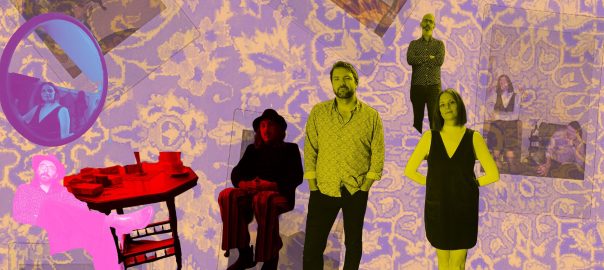
Ellen Care – violin/vocals Matt Dear – lead guitar/vocals Ben Holliday – bass Greg Ireland – rhythm guitar/mandolin/dulcimer/vocals Ben Love – drums/percussion
About Green Diesel:
Hailing from Faversham in Kent, Green Diesel take their inspiration from the depths of English folk lore and legend, and the classic folk-rock sound of their predecessors: Fairport Convention and The Albion Band. Blending violin, mandolin and dulcimer with electric guitars and drums, Green Diesel’s sound is born from a love of traditional English music and a desire to bring it to a modern audience.
Green Diesel’s first three albums, Now Is the Time (2012), Wayfarers All (2014) and The Hangman’s Fee(2016) all won praise for the quality of song-writing and musicianship. A major turning-point, however, came with the band’s last album After Comes The Dark (2021). The album entered the UK Folk Top 40 on release and saw Green Diesel nominated for FATEA Music’s ‘Group/Duo of the Year’ award and also saw the band pushing their sound further, bringing in elements of psychedelia and progressive rock whilst remaining rooted in their folk upbringing.
Green Diesel – What They Say:
“A cornucopia of sounds that blends classic folk-rock, prog and elements of stately Early Music into their own distinctive style’” – R2 Magazine
“4/5 stars – ‘(Green Diesel bring) a psychedelic, progressive edge to their interpretations of both traditional and original material” – Shindig!
“Evocative of early Steeleye Span and veined with prog-rock and influences drawn from early Genesis and the 70s Canterbury scene’” – Folk Radio
“Green Diesel has skyrocketed into my top few bands” – FATEA
Onward The Sun! – Track-By-Track:
1. Venus Tree (Ireland): ‘Yarrow (the ‘pretty flower of Venus’ tree) is an interesting plant…! The song is perhaps a slightly twisted take on a love song, based around some of the ways in which yarrow can be used for what you might call ‘love divination’ whereby sprigs of yarrow would be placed under the pillow of a young woman who would then dream of her true love to be. One popular rhyme for instance reads:
‘Yarrow sweet yarrow, the first that I have found And in the name of sweet Jesus, I pluck it from the ground As Joseph loves sweet Mary and took her for his dear So in a dream this very night my true love will appear!’
Like all good folk stories there’s a twist in the tale of course. The yarrow plucked must be plucked from the grave of a young man dead before his time…’ Greg
2. Hotspur (Holliday): ‘Hotspur is the nickname given to Henry Percy, who was the 2nd Earl of Northumberland and led a rebellion against Henry IV. This rebellion culminated at the Battle of Shrewsbury, which is depicted in Shakespeare’s Henry IV. The night before the Battle, Hotspur is told that his various allies who agreed to fight alongside him aren’t turning up, but (in the play) he still delivers a fiery speech and declares they will go ahead and attack the ‘usurper’ Henry IV no matter what. The song tries to capture his mental state at night before the battle – he can’t sleep, he’s scared, but he knows he has to ‘front up’ and be the brave, fearless, fiery Hotspur that everyone knows.’ Ben
3. Huntress Moon (Dear): ‘This song is a spell of transformation. I’d been reading about Paracelsus, the history of alchemy, the occult, and the persecution of witches during the Reformation. I wanted to write something that drew on this symbolism, using the language of magick to craft a lament, an impossible dream, a transcendent fiction.’ Matt
4. Princess Royal/Dribbles of Brandy (trad arr Green Diesel): ‘Two English folk tunes learnt from our trusty companion Pete Cooper’s book of English Fiddle Tunes. I’ve played Princess Royal with my dad for years – there’s actually two different versions of this tune: one in a minor key and one in a major key. The minor one seemed to fit our style better! The second tune is called Dribbles of Brandy and was one we used to have on setlists during our wild misspent youth before it took a quiet retirement. It seemed time to resurrect! This one always puts me in mind of late night gigs at Broadstairs Folk Week fuelled by too many ciders…’ Ellen
5. Hymn For The Turning Year (Ireland): ‘Written in the depths of the Covid winter of 2020 when, amidst all the chaos in the human world, the Earth was just doing the same thing it does every year. The verses are individual snapshots of things I witnessed on my mandated solo walks and a reflection on ultimately how powerless we are against the natural world, a feeling which seemed to be mirrored on a human level by the situation in the world at the time.’ Greg
6. Maypole (Paul Giovanni): ‘A cover of one of Paul Giovanni’s compositions from the soundtrack to The Wickerman. The soundtrack has long been a favourite of mine, it was and remains a big influence on my songwriting. This song always struck a chord with me, and I’d always wanted to develop it into a longer song. It seemed to encapsulate my morbid attraction to the Summerisle cult, a return to a cyclical view of time, death and life entwined.’ Matt
7. Onward The Sun! (Ireland): ‘In some ways the sister song to Hymn… a frequent walking route of mine was up Golden Hill in Harbledown, just outside Canterbury. There’s a particular bench there where you can just sit and look across the hills. The sun is such a part of folklore and folk imagery and I suppose that was in my mind on some of these walks – musing on our temporary status in the world. We’ll all shuffle off sooner or later but the sun will go on and on. Hopefully…’ Greg
8. Ring The Hill (Ireland): ‘Based on the Cornish legend of the white hare. It is thought that the creature is the spirit of a broken-hearted lady determined to haunt her faithless lover to the grave. This also got me thinking about the historical connections between hares and witchcraft – the chorus lyrics are an adaptation of some of the words used by Isobel Gowdie at her trial (she was tried as a witch in Scotland in 1662 and her testimony survives). The song follows the progression of our heroine from broken-hearted to vengeful and it seemed appropriately prog to divide it into two parts. The tune for the second part is a variant of the traditional tune for Dives and Lazarus.’ Greg
9. Wild Wild Berry (trad arr. Green Diesel): ‘A traditional song that appears to share similarities with the Lord Randall ballad. Collected from the traditional singer Ray Driscoll who apparently learned it in Shropshire after being evacuated there during the war. My own introduction to the song came from the version by the Furrow Collective. I particularly liked the way that this version distils the essence of the long Lord Randall ballad into three powerful verses. And, of course, I love the poetic ending of the murderer being hanged with the deadly nightshade entwined in her hair! Musically I had been listening to a lot of drone-based composers like Alison Cotton and John Cale and wanted to try and extract the maximum mileage we could from one chord on this one’. Greg
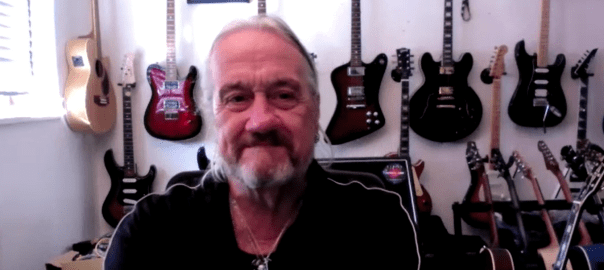
Back in the early 70s, David Smith formed a band with a former school-mate called Steve Harris, better known as the man who went on to create heavy metal icons, Iron Maiden. I catch up with David to talk about those early days playing with Steve in Gypsy’s Kiss, about reforming the band back in 2018 and about the enthusiastic response from both fans and reviewers to the band’s live gigs and recent album.
So back to the very early days. Steve Harris was a schoolfriend. When did you decide that you both wanted to be in a band together?
The middle of ’73 – when the world was in sepia, Darren! I had left Leyton County High School for Boys. Steve was also a pupil there but the year below me… And we met up after we left school – accidentally, I would say in the middle of 1973, because we knew each other and we had mutual friends. Our interests were aligned. We were both fanatical West Ham supporters. We loved football. We both loved rock music and, interestingly, we’ll come on to this – the influences for Steve and myself at the time were not always what you might think. They were obviously rock – but tons of prog and lots of other things.
It was a great time for music across all genres!
If you looked at an albums chart or even a singles chart between ’72 and ’74 you would be amazed that it’s the music people still listen to today. Because it’s so damned good. So, we became good friends. We’d see each other three or four times a week, we’d go to the pub together. We’d talk about music. We’d talk about football. We’d share the bands we liked and we’d go and see a lot of gigs together. And then it would seem natural… “Why don’t we form a band?”
I played guitar for about two years before that. Steve wanted to be a drummer but couldn’t get drums in his nan’s living room which is where we rehearsed. Where he lived in Steele Road about half a mile from where I lived. And so, you get that lightbulb moment: “I think I’ll be a bass-player…” Well, there you go. And that’s what he wanted to do so he and I went to – I wish I could remember the shop we went to – and he bought a Telecaster copy bass. And I taught him the rudiments because I could and then he took it from there.
And then, we must form a band! This band was just he and I for a month or two but we still rehearsed and we did mostly covers but not all because we were writing stuff, as you’re probably aware. Stuff that we’re still playing now and Steve references quite a lot. And so, we were doing that and we looked at other guitarists and we looked for drummers and eventually we decided to have only one guitarist which was me. And then we found a drummer. His name was Alan – I can’t remember anything more about him and there were, essentially, three of us in Influence [original band name prior to the adoption of the name Gypsy’s Kiss].
And for reasons why bands evolve, particularly when you’re only 19, we brought in Paul Sears on drums. And Paul is still one of my very best friends today. And then we rehearsed quite a bit and rehearsed in front of family and friends and did sort of pseudo-shows. I then wanted to concentrate on playing guitar more and I found singing and playing guitar a bit of a distraction so we brought in Bob Verschoyle and Influence became Gypsy’s Kiss.
Gypsy’s Kiss in 1974 (reproduced from Gypsy’s Kiss website)
And it became really clear – and the reason Gypsy’s Kiss dissolved away I would say in the summer of ’75 – was because Steve was a workaholic. He just wanted to rehearse and rehearse and rehearse. Like he is today. Rehearse and rehearse and play and play. And you know, “We can’t go out for a drink. We’ve got to rehearse this song”, “Oh, we’ve got to write that.” Paul and I had enough of it really at 20 years old and then Steve moved on. And when I saw him recently, I always reference his work ethic which he’s got right now.
You obviously saw the work ethic; did you get an impression from Steve early on at that stage that here was a Bonafide rock star in the making?
No. Because I wouldn’t know what one of those looked like to be honest. I saw them on album sleeves and at gigs and on TV. No, what he had and still has was a drive. I don’t think his ambition was to be the greatest rock bassist ever – but he’s in that league isn’t he? I think he wanted to be a professional musician. That’s what he wanted to be. And he wanted to be a good professional musician. And if you look from when Iron Maiden was formed in ’75 and, without being harsh, they didn’t do much for five years. Honing the craft, getting better, doing gigs.
But the thing about that period – and I played in other bands – is that there were so many places to play. And every place wanted an original band. Chuck in a few covers if they didn’t have enough of their own material. And so Iron Maiden and other up and coming bands, gigged and gigged and gigged and gigged. And they got so good at playing that the rest naturally followed. So, the long answer. Did I think he was going to be a rock star? I don’t think so – maybe he did. But he certainly had drive and that’s the most important thing.
So, Gypsy’s Kiss ran through ’74 and into ‘75. You were playing a mixture of covers and writing original songs. Did the drive to write original songs come from yourselves because you had that ambition or was it more that this is what the venues were expecting?
No. This is what we wanted to do. I don’t know if bands are the same now but bands who want to – not make it – but just wanted to do well and perform to audiences, we always wanted to write our own songs. In fact, we were writing stuff, or I was at first, and playing that. And when we started to get gigs after that it was, “God, we’ve only got half an hour. We’ll have to do something else.” So, we threw in… you know good covers. Ones that everyone was doing and a few that they weren’t doing and it filled out our hour-and-a-half set. So, then the set was based on the originals and there were about six or seven covers that we used to fill.
So, yes – our ambition was to write and record our own stuff. Steve’s done thousands of interviews. You’ve already read many of them. But one of them came up quite recently… and Steve said that when Gypsy’s Kiss folded, he joined Smiler. And the reason he left? Because they were doing too many covers. He wanted to write and do his own stuff.
When Gypsy’s Kiss came to an end did you always carry on playing in bands after that or was it just a matter of getting on with life and focusing on the day job and stuff?
Probably always in a band. You have some years where you lay off doing it and then go back. But when Gypsy’s Kiss came to an end, oddly, I was invited to join a country and western band. And I joined – you know Stetson hats and bootlace ties and satin trousers – and I was 20! And I played bass, by the way, which is even more weird! But it was twenty-five quid a night for me which in the mid-70s was actually quite a lot of money. So, I did that and then I went with other bands. I played in a band with Doug Sampson who was in Iron Maiden for a bit. And then I did other bands, other things, years off here and there. Yes, so pretty much all the time. I’ve probably been whatever full-time means now, i.e.: doing it constantly since the mid-90s.
So, let’s move on to the band today then. You reformed in 2018 for the charity gig, Burrfest. That was initially just as a one-off. How soon after that did you decide to make things permanent?
I’d been asked to reform Gypsy’s Kiss – out of Iron Maiden fans’ curiosity. I’d say more with an explosion of information online. Lots of people became curious and I was asked a number of times to reform some version of Gypsy’s Kiss. And I didn’t want to. Because I thought it was yesterday and it wasn’t right. Bizarrely, I was in a covers band from 2010 to 2017 – quite a reasonable one. And we played a gig in Gidea Park in Essex and without going through the boring details all of the original Gypsy’s Kiss members – including Steve – were there. He came to see us. Along with Teddy Sherringham, the footballer, for some bizarre reason. And during that gig, at the end of it, I said, “We’ve got friends here from my musical past. Do you mind if they come up and busk a song with me?” The band I was in didn’t mind. So, I got Paul on drums and Bob to sing – and I didn’t invite Steve to come up and play bass. The reason being it was already full of people filming. I thought, this is the last thing he wants. Everybody loved it. I’m sure it’s online somewhere. Steve came over to me at the end and he went, “I’m upset you didn’t ask me!”
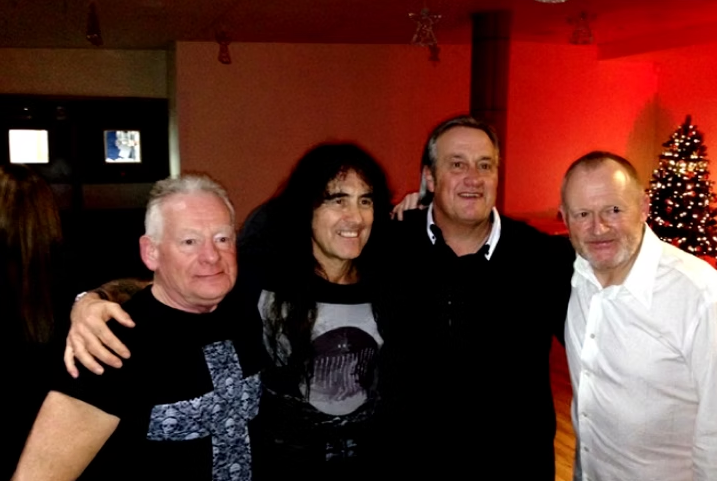
The original members of Gypsy’s Kiss meet up in 2013 (Photo reproduced from Gypsy’s Kiss website)
And you were trying to give him a quiet life!
I was trying to not put him in an online spot. So that was 2013. And I’d been asked a number of times. Darren. I just didn’t want to do it. However, I buckled to the pressure in 2017. And it was, “Would you play Burrfest?” I think it was in the March 2018 and I went, “OK.” I asked Paul to play drums. He didn’t feel up to it at the time. I asked Bob to come and sing. And, again, I didn’t ask Steve – and he’s moaned at me about that since!
So, using musicians I knew locally and whatever, I put the band together. A real one-off. And it was such a great gig. The audience’s reaction to this thing that they wanted to see – and they wanted to hear some of the original songs that Steve had played on – was just amazing. And I sort of thought, well this is a bit silly , not to do this again.
Gypsy’s Kiss at Minehead, Butlins 2025 (Photo: Darren Johnson)
Obviously, our fanbase such as it is was Iron Maiden fanatics. Probably still is. But we’ve worked really hard to try and widen that and maybe we have. You’ve probably seen – and I still use it when I find it helps – our tagline ‘top of the Iron Maiden family tree’. And if we’re doing something specialist, we do occasionally play some Iron Maiden songs. The early songs. We’ll do one or two of those if the audience is clad in Iron Maiden t-shirts. It seems a bit churlish not to, doesn’t it?
And no way would I ever forget the past because it’s why the band exists but you try and move on. In saying that, I got very, very friendly with Paul [Di’Anno – former Iron Maiden singer] again about five years ago. Because we had the same interests – rock music. He was born just up the road from me. We went to the same school. We knew the same people. And we met up – I went round to his flat – and we chatted for ages about stuff. And Paul and I became really, really good friends. And we did gigs with him and, you know, his loss was enormous. He was such a nice guy. And when we did some gigs with him it was huge fun. And his passing – his funeral was a bit of a celebration really, as it should be. At the service Maiden songs were played which was quite touching. And the point I’m getting to now is, I sang a few tribute shows as Paul after that. I really enjoyed it… So, I’ve not completely forgotten the past but we do try and shuffle on.
I think if you’d had a grand plan for all this over a fifty-year period, you chose a good time to reform in many ways, with a renaissance for classic rock on the live gig circuit.
What I’m most grateful for is the period I was born and grew up in which was just so changing, so iconic, so wonderful – for me anyway – from the flow of music from the ‘60s to the ‘70s. You know, in my formative years I was able to grow up with some of the most fantastic music and great influences. That’s what I’m really grateful for.
And then, as you say, as you get into your dotage, if you reform there’s been a resurgence in classic rock. And what we’ve tried to do – I hope we’ve succeeded in a small way – is to take that fantastic genre and to slightly update it. Without losing its heart. And so, you give the audiences what they want but something a little extra. And we certainly have elements of prog in our songs. Our third album is coming out this summer – it’s not quite finished – which I’m really pleased with.
But I think essentially, we are a live band. You know, we ham it up a lot on stage. We swear a lot. We’re involved with the audience. That’s what I think we are – a live band but we try to bring out our diverse musical influences, based on classic rock.
You must be pleased with the reaction to the 74 album which I think very much stands up on its own terms, regardless of any historical Iron Maiden connection.
That’s very kind of you and, interestingly, a lot of reviews said the same. If I’d have gone back to 1974 and thought, one day, David, your album will be reviewed in Classic Rock and people will say what you’ve just said – it’s not a curiosity of Maiden, it’s a stand-alone band – I’d have thought, well that will be good. I’ll take that as a pinnacle of one’s career!
Yeah, we were really pleased with 74 and I still am. And it’s the basis of our set for the new album – which hopefully will be out in July. There’s some of the past in the style of music. We can’t do an album that doesn’t have a gallop in it somewhere because that’s how it all happened. So, there’s, what I would say, more retro songs and some that I think are probably more up to date. But you know we’ll see. I just enjoy playing stuff live to be honest… I would say that’s why any musician wants to do what they do because there is nothing like standing on a stage in front of a number of people – it doesn’t mater if there’s twenty or thousands – and you enjoying what you’re doing. And if you get one person in the audience who looks like they’re having fun I find that great.
In some of our earlier Gypsy’s Kiss gigs, once we’d been a few years in. I still found it quite odd that people in the audience were singing back the lyrics that I’d written probably knowing them better than I do. And I still find that quite a sensation.
I think that’s also testimony to the skill of writing really catchy songs that instantly grab people’s attention. That is a skill.
That’s very kind. You’ve probably heard in our music – and it’s where Iron Maiden evolved down a parallel track – is that I was brought up on Wishbone Ash and Thin Lizzy. You know, guitar bands, harmony guitar bands. And like Iron Maiden, we are three guitars doing guitar harmonies and rock riffs. I get asked, “Who do you think you’re like?” Well, I think we’re like ourselves. But I hear in our writing and playing, bits of Wishbone Ash and Thin Lizzy, bits of Uriah Heep. And I’m not ashamed of that at all. That’s the music I grew up on.
So, what next for Gypsy’s Kiss then?
It crossed my mind, thinking of age and circumstances that last year was our 50th year which we did quite a lot on and it went really well. And I did wonder whether the 50th was a good time to stop doing it – and we’ll see what Iron Maiden do after 1975. But I said, “Ok, we’ll do another year.” So, this is out 51st anniversary tour and we’ve got a lot of gigs already confirmed.
I enjoy festivals more than anything because I can listen to other bands and you just enjoy the vibe and you meet all the people there so we’ve got quite a number of festivals. The album coming out in July, I hope. Gigs start in April and run through until end of November so we’ll be here there and everywhere. And I’m looking forward to it. The live stuff is what we all look forward to and we’re three times this year back at our spiritual home. I say the Cart & Horses is actually the birthplace of Gypsy’s Kiss rather than Iron Maiden.
Well, you came first!
We did our very first gig there. We’ve got three gigs there. You’re probably aware, we’re playing at a midnight show at the Cart & Horses after the Maiden gig fifteen minutes up the road – which sold out in about fifteen minutes. It was really quite odd! But we’ve got other gigs at the Cart & Horses and we’re doing a short tour with Soulweaver. We’re doing about five or six gigs with them because we get on well and the music’s complementary, I think. And we’re doing a few gigs with a prog band called Ruby Dawn who are really, really good. So yeah, we’ll be here there and everywhere, with an album to flog in the middle of the year.
Prior to this tour, the existence of New York-based band, Tyketto, had completely passed me by. This is despite lead singer, Danny Vaughn, once fronting Pete Way’s post-UFO outfit, Waysted, for a period. I’m impressed. Accessible, melodic, AOR-tinged hard rock with a nice line in instantly-appealing riffs and catchy choruses, by the end of the set I feel I’ve known them for years. They deservedly go down extremely well.
The next band, of course, I do know. Britain might have had Last of the Summer Wine but Canada has April Wine. Formed in Halifax in Nova Scotia in 1969, the band enjoyed huge success in Canada but began finding favour with the New Wave of British Heavy Metal crowd in the early 80s. Certainly, as a young teenager I remember taping a few of my dad’s April Wine albums. With the death of lead vocalist/guitarist, Myles Goodwin, in 1969 there are now no original members left in the modern-day line-up but guitarist/vocalist, Brian Greenway, has been with them since 1977, providing a clear link back to the classic era. When my tape collection evolved into a CD collection, the April Wine albums somehow never made the transition but there’s several songs that I instantly recognise tonight and I make a mental note to rectify the lack of April Wine CDs in my collection and see what I can hunt down.
I suspect that for many in the audience, the band have remained a distant memory, albeit a warmly-regarded one. We are told that the last time the band toured the UK was back in the early 80s but they have clearly encountered an enthusiastic response on this tour. New lead vocalist/guitarist, Marc Parent, is an excellent frontman and the band work well together. Songs from the band’s 1981 album, The Nature of The Beast, which make up a sizeable chunk of the set, together with perennial crowd-pleasers like ‘I Like To Rock’, which the band open with, all go down extremely well. Indeed, I’m sure April Wine would find an enthusiastic audience should they decide to tour the UK a little more frequently – and not leave it for another forty years next time.
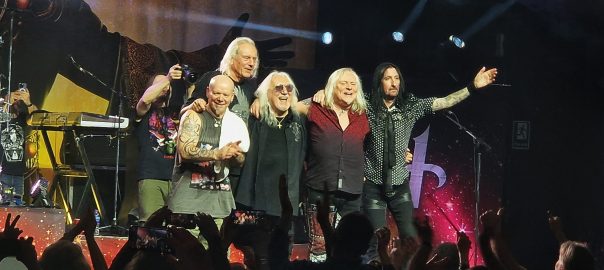
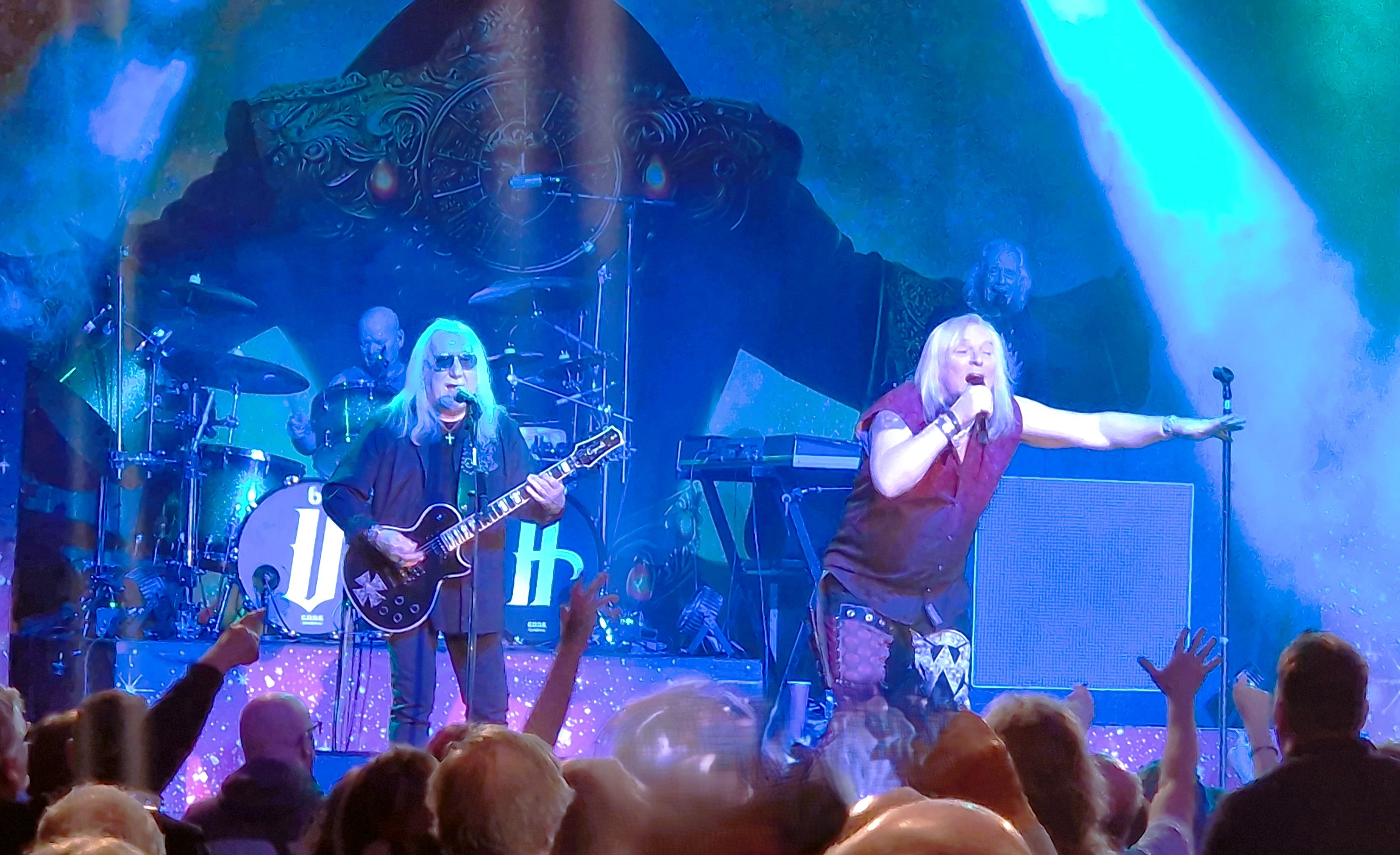
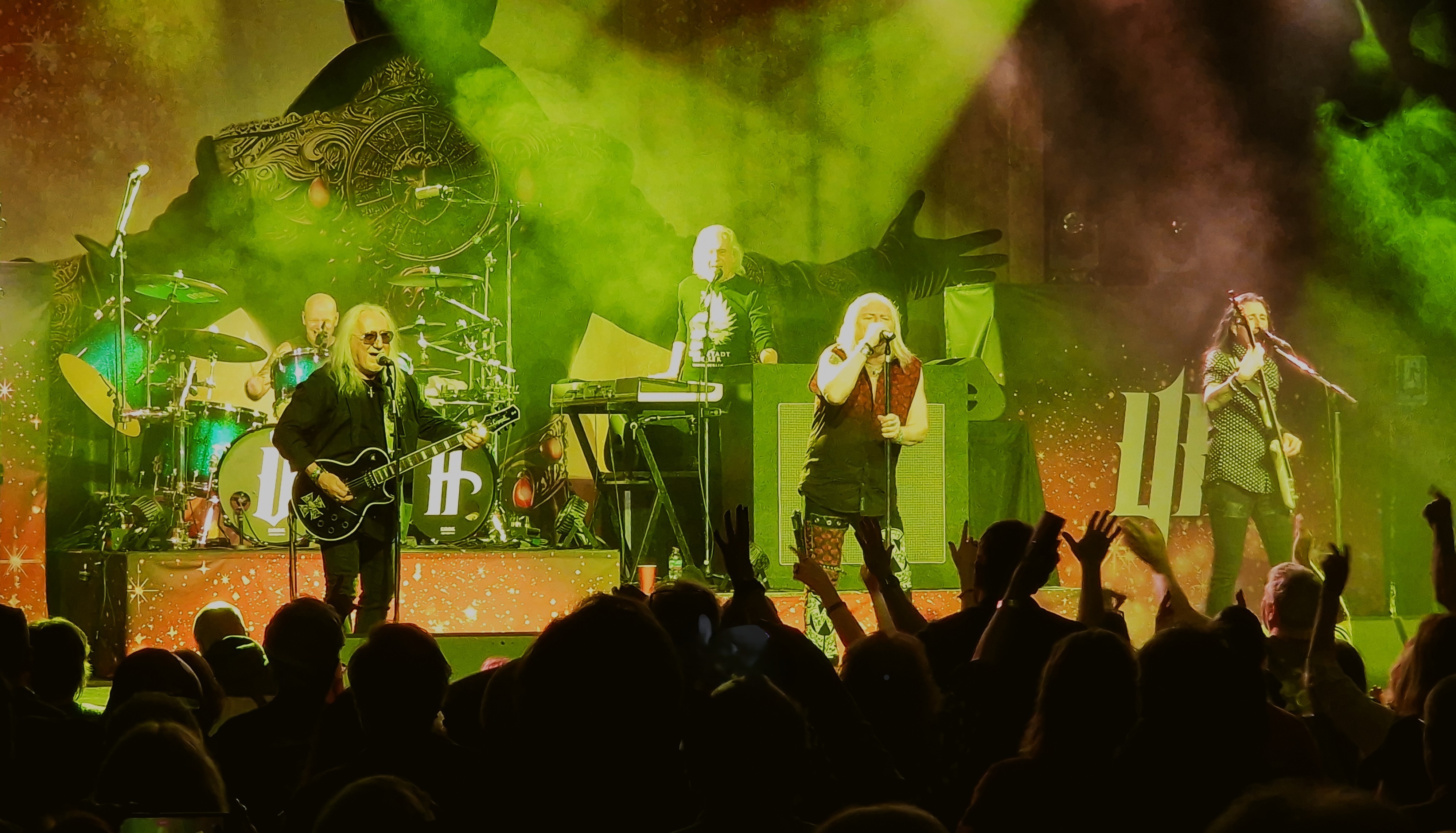
Regardless of whether your idea of the classic Uriah Heep line-up is Box/Byron/Hensley/Kerslake/Thain orBox/Bolder/Hensley/ Kerslake/Lawton, only one of those musicians is now still with us – the guitar legend and that ever-present force of nature, Mick Box. Since the late 1980s, albeit that circumstances have forced them to gradually evolve, Heep’s line-up has been blessed by a remarkable degree of stability, however. What’s more, the current configuration of Mick Box, Phil Lanzon, Bernie Shaw, Russell Gilbrook and Dave Rimmer have been together for well over a decade now. And not only do they treat Uriah Heep’s esteemed musical legacy with integrity and panache, they’ve also served up some excellent new music in the process, too.
It’s right, therefore, that the early part of the set is devoted to some of the band’s more recent material: ‘Grazed by Heaven’ from 2018’s Living The Dream, ‘Save Me Tonight’ from 2023’s Chaos and Colour and ‘Overload’ from 2008’s Wake The Sleeper. Sadly, there’s nothing from Outsider, my favourite of the ‘recent’ albums, but that’s a small niggle. As Bernie Shaw points out before the band move on to some of the older material, the big challenge has been to condense “fifty-five fucking years of Uriah Heep into ninety minutes”.
Then, with Phil Lanzon pounding the keys for the distinctive, grandiose intro of ‘Shadows of Grief’ from the Look AtYourself album, we are into the classic era. Gems like ‘Stealin’, ‘The Wizard’ and ‘Free ‘n’ Easy’ all follow. This tour has been dubbed The Magician’s Farewell and so, unsurprisingly, the 1972 Magician’s Birthday album is well-represented. This includes ‘Sweet Lorraine’ (about the band’s partying days back in the early 70s, according to Box, when an enthusiastic female fan called Lorraine coined the phrase that became the band’s chorus: ‘let the party carry on’), together with the title track itself and, later on in the proceedings, the epic ‘Sunrise’.
Shaw also does his best to reassure us that, in spite of the ‘Farewell’ bit in the tour’s title, this is not the end of Heep. The mammoth world tours may be coming to an end, but Uriah Heep are not quitting performing altogether and they still have plenty of new music in them, he tells us.
The pomp of those pounding keyboards, Box’s trademark wah-wah guitar, the sweet-sounding vocals, the immensely-powerful rhythm section, and of course, all those classic songs, I’m given everything that I want from a Uriah Heep gig and it’s an incredible celebration of the band’s career. Soon, however, things start drawing to a close. After a thunderous ‘Gypsy’ from the band’s debut album, we are on to the familiar opening strains of ‘July Morning’ and a stunning rendition of the band’s most celebrated song.
Curfew time is fast approaching so there’s just time for an encore with a majestic treatment of the aforementioned ‘Sunrise’ and, of course, the pure unalloyed joy that is ‘Easy Livin’’
I was still a pre-schooler when Uriah Heep released their debut album in 1970, although this year does mark 40 years since I first saw the band at Manchester Apollo back in 1985. Tonight’s performance proves beyond doubt that my enthusiasm for the band remains undimmed. I’m relieved to hear this is not quite the finale just yet.
Setlist:
Grazed by Heaven Save Me Tonight Overload Shadows of Grief Stealin’ Hurricane The Wizard Sweet Lorraine Free ‘n’ Easy The Magician’s Birthday Gypsy July Morning Sunrise Easy Livin’
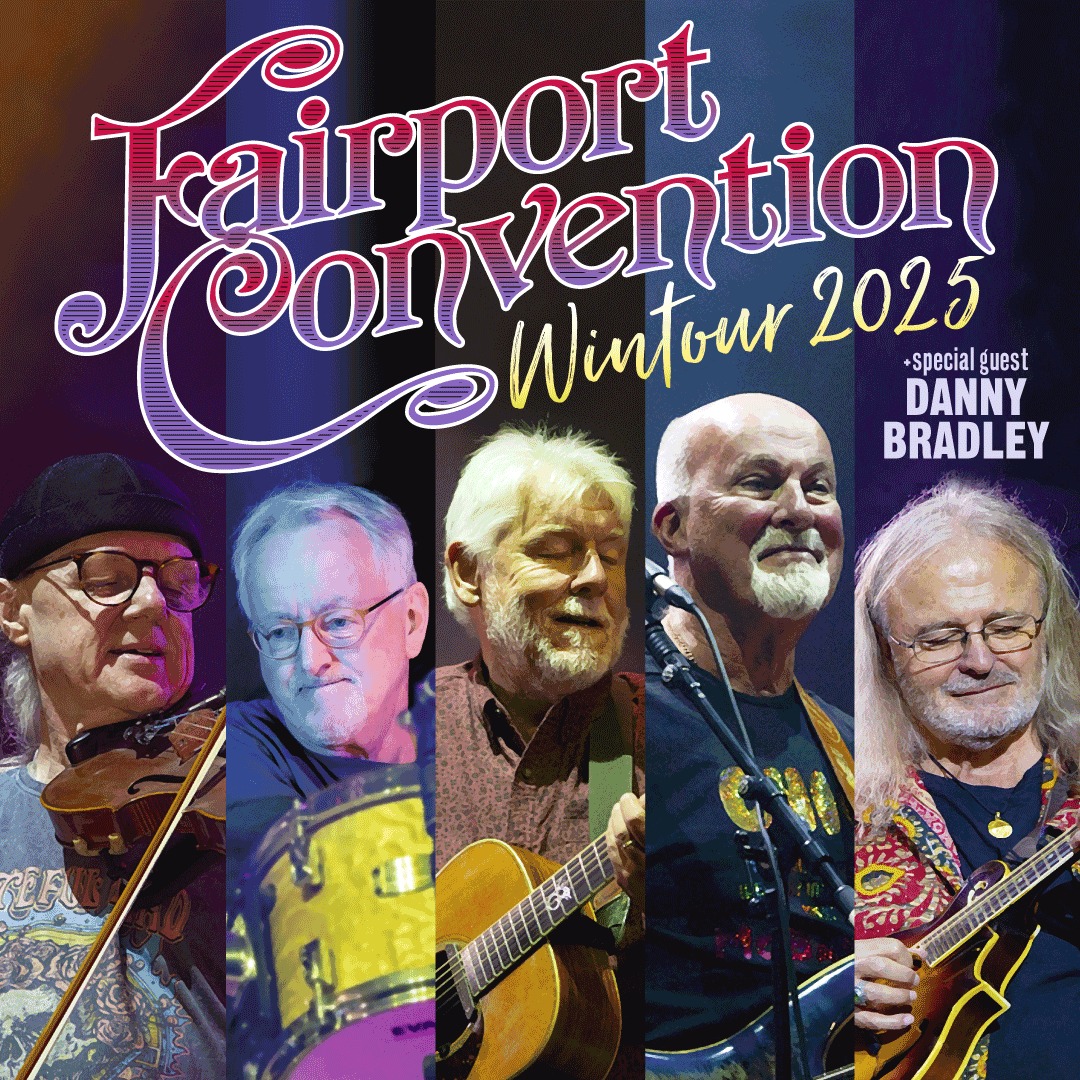
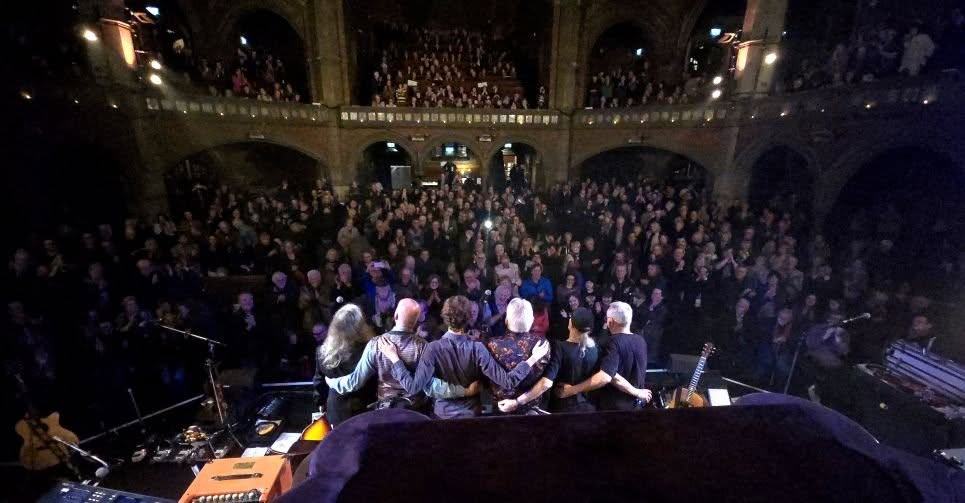
Both at their summer Cropredy Festival and on many of their winter tours, Fairport Convention have long striven to provide a platform for newly-emerging artists. This current tour is no exception. Support, this time, is the Liverpool-based singer-songwriter and finger-style acoustic guitarist, Danny Bradley, whose debut album Small Talk Songs has just been released. With a fine voice, some mesmerising finger-work, a great set of songs and some wryly, self-effacing stage patter (“This is the first time I’ve been on the bill with anyone that my dad’s heard of”) and he opens proceedings very nicely indeed. As is traditional on their winter tours, the Fairport guys join Bradley on stage to act as his backing band for the final song of his set, before launching into their own.
Fairport themselves then kick things off with a rousing rendition of ‘Come All Ye’ from their genre-defining 1969 folk-rock masterpiece Liege & Lief. “An opening song that’s had a few decades off” is how Simon Nicol put it. They then stick with the Sandy Denny era for a version of Denny’s ‘Fothingay’, with beautiful twin fiddles courtesy of Ric Sanders and Chris Leslie. In fact, with the band revisiting a couple of band-composed tracks from the post-85 Fairport, we are almost coming to the end of the first set before we hear anything that can be properly considered a folk song but an equally rousing ‘Claudy Banks’ finally inserts a bit of trad. arr. into the setlist.
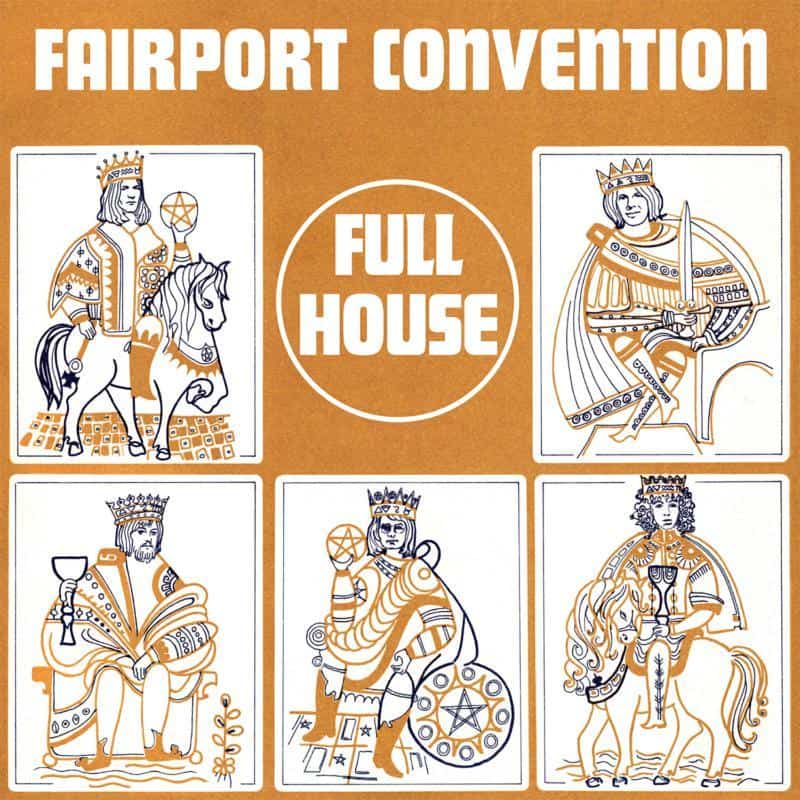
That’s followed by Chris Leslie’s own ‘Banbury Fair’ before the band delve back into the early days once more and round off the first half with a magnificently sprawling, brooding version of ‘Sloth’ from the much-celebrated Full House album. As I was soaking up Dave Mattacks’ wonderfully-atmospheric drumming, such an integral part of that song’s epic status on the original album, I’m reminded that with the return of Mattacks (following the retirement and subsequent untimely death of long-time drummer Gerry Conway), we now have three of the five players from that classic 1970 album performing as part of the band’s regular touring line-up. There aren’t many bands who made an album fifty-five years ago who can still claim that sort of on-stage quota!
After a short interval, the second set kicks off with another trad. arr. offering in the form of ‘The Hexhamshire Lass’. When I interviewed Dave Pegg last month ahead of this tour, he told me that the band were prompted to include the song in the set-list for this tour as they would be playing Hexham on Valentine’s night – even though “it’s quite a complicated arrangement”! No matter, even without the legend that was Dave Swarbrick, they do have the incredible musical talents of Sanders and Leslie to draw on for a superb rendition.
Photo credit Kevin Smith
Indeed, as he shares with us when introducing the next tune, it’s now 40 years since Sanders played on his first Fairport album – Gladys’ Leap. Sanders tells the audience that he was phoned up by Pegg who had asked him if he was interested in contributing fiddle to three tracks but initially he had no idea he was being asked to contribute to a Fairport Convention album. Until he heard the tracks, and the distinctive drumming of Dave Mattacks, he assumed he was merely being asked to contribute to one of Pegg’s side projects. Sanders added his fiddle sounds, of course, and the rest is history. So to mark the anniversary of that significant moment in the Fairport chronicles, the band revisit the instrumental medley from Gladys’ Leap, along with a beautifully-evocative version of ‘Hiring Fair’ with some gorgeous keyboard flourishes from Mattacks. Written for them by Ralph McTell, it’s a song that has rightly become a fan favourite over the past four decades.
Back in 2011, the band revisited the whole of their 1971 concept album, Babbacombe Lee, the tale of the convicted murderer who was condemned to death but given a reprieve after the gallows failed three times in succession. Unlike other past albums it’s not usually one where odd tracks are performed live but here we get two, the contemplative ‘Cell Song’ and the exhilarating, death-defying ‘Wake Up John (Hanging Song)’. Just as he did back in 2011 when the band performed the full album live, Leslie does a fine job singing Swarbrick’s original lyrics.
The second set is beginning to draw to a close at this stage but there’s still time for a couple more numbers before the band finish proceedings with the inevitable show-closers. There’s a joyous rendition of ‘Rising For The Moon’, Sandy Denny’s celebration of the simple pleasures of touring and performing. And, after marking Sanders’ induction to the Fairport ranks earlier in the set, we are then reminded that it’s coming up to almost three decades since Chris Leslie joined. It was his second album with the band where he really started coming into his own as the band’s principal contemporary songwriter and they revisit the title track of that album, ‘The Wood and the Wire’, Leslie’s impassioned paean to coveting, cherishing and learning to play a stringed instrument.
As we come up to curfew time there’s normally three things that happen around this point. Firstly, a sales pitch from Simon Nicol about the band’s Cropredy festival in August, followed by two perennial crowd-pleasers ‘Matty Groves’ and ‘Meet On The Ledge’. This year, there’s less of a need for the sales pitch as the now reduced-capacity festival (a financial necessity in the current climate) is very close to selling out. So, after a brief exhortation to check the website in the coming days for the final few tickets, it’s banjo-at-the-ready and time for all nineteen verses of ‘Matty Groves’, some heartfelt applause from an appreciative audience and the inevitable ‘Meet On The Ledge’. Me and my group of camping friends got in nice and early with our Cropredy ticket purchases for this year so I’ll be looking forward to singing along to it once more, as midnight approaches on 9th August. It all comes round again.
Photo credit: Kevin Smith
Setlist:
First set:
Come All Ye Fotheringay I’m Already There The Rose Hip Claudy Banks Banbury Fair Sloth
Second set:
The Hexhamshire Lass Instrumental Medley ’85 The Hiring Fair Cell Song Wake Up John (Hanging Song) Rising for the Moon The Wood and the Wire Matty Groves Meet on the Ledge
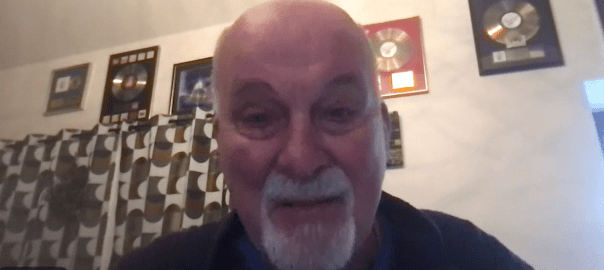
Ahead of Fairport Convention’s Winter Tour, I catch up with Dave Pegg. We discuss the making of the Full House album, the crucial role that Jethro Tull played in Fairport’s resurrection, changes afoot at Cropredy this summer so that the festival survives the financial pressures facing the sector and the forthcoming tour, starting 31 January.
We’ll talk about the Winter Tour and about Cropredy later but first I want to start right at the very beginning – well the very beginning for you. I was re-reading the Fairport by Fairport book and it was Swarb who really pushed for you to be auditioned after Ashley left. It seems that the others were a bit sceptical at first?
Well, what happened Swarb used to be in the Ian Campbell Folk Group and he’d left a couple of years before I joined them to go off to play with Martin Carthy. He knew of me through the Campbells because he joined the Campbells for an album that they did. It was just a reunion kind of album and I played on it. He was aware that I wasn’t really a double bass player, which I played with the Campbells. I said, “This isn’t really my instrument, mate. I can get away with it but I’m a bass guitarist. I’m a rock musician really.” He remembered this and when I saw Fairport on my 22nd birthday at Mothers Club, it was the last time the Liege & Lief line-up played together and I was blown away. I thought it was fabulous. I thought I’d love to play with that band and literally the next day I got a call from Swarbrick saying Ashley was leaving and they were looking for a bass player. And that’s how I got the audition. The others were a bit scared because when he said I’d played with the Ian Campbell Folk Group, they thought I’d be like the Aran sweater and the beard, like a proper folkie, but I knew absolutely zilch about folk music at all – and still don’t!
And when you did join did it feel like you’d found your natural home or did it take a while to settle in?
No, I kind of settled in pretty quickly. I mean because the Fairports are great players and they were from the same background as myself. Richard was an astonishing guitarist, even at that age. And the rhythm section, Simon and DM, they were just fantastic to play with. And then there was the added bonus of Swarb who was re-inventing the way that he played the fiddle. Because now he was kind of getting into rock music and was using his Echoplex and he’d got a really crude pickup on his violin made from a telephone (laughs). But it was very early days in terms of electric violin. But the weirder thing about it, we were rehearsing stuff, we’d moved into this place, The Angel at Little Hadham and we were rehearsing songs but without a vocal, without anyone singing. Because, of course, Sandy had left the band as well and it meant the band didn’t have a vocalist so it was a case of drawing straws to see who got the short straw. It was Richard and Swarb who did most of the vocals. Simon, after a while – Simon’s a great singer – but in those days Richard and Swarb hadn’t really sung at all.
Yes, it great how everyone’s confidence as vocalists grew.
Yeah – we made the Full House album. We recorded most of it in London and we went to New York to overdub the vocals. It was made at Sound Techniques in London, engineered by John Wood who was a fantastic engineer and Joe Boyd [producer] allowed us to do whatever we wanted, musically. But Joe kind of trusted the band. What was great about his production for Fairport was the fact that he’d allow us to do whatever we wanted. And he also he knew lots of people in America and we went to New York and we overdubbed most of the vocals in New York, in a studio where Dylan had recently recorded.
Now when I interviewed Simon this time last year, he said this was like being asked to name your favourite child, but I’m going to ask it anyway. What’s your favourite Fairport album?
It’s a very hard one for me because I’ve been involved ever since Full House, which was the first one I played on in 1970. There’s been so many different Fairport line-ups and I find it hard to compare one album against another one. Well, for me, my favourite album before I joined was Unhalfbricking, which I think is a remarkable album. Things like ‘Percy’s Song’ – it’s just incredible that song. I know Dylan really rates that version. Unhalfbricking was my favourite pre-joining Fairport. And the albums that I’ve played on, where there’ve been different line-ups, things like Fairport Nine mean a lot to me because it was a re-establishment with some great players and some great tracks on it. Obviously, Rising for The Moon is another great one for me because it was Sandy coming back. And things like Gladys’s Leap which was again…
Another coming-back album!
Yeah, another coming-back album. And the last one, Shuffle and Go, that we did which I think stands up as good as anything Fairport’s ever recorded. I can’t pick one album. It’s impossible, Darren, for me in that sense!
The second half of the ‘70s looked like it was all going pear-shaped for the folk rock genre. Steeleye Span split up in ’78; Sandy was dead, tragically; Richard and Linda had gone off to a religious commune. Do you think the Cropredy Farewell concert in 1979 played a big part in turning things round again?
Well in terms of turning things around, it was a kind of the end of Fairport as it was because we had split up. Swarb was going to live up in Scotland. There was no longer a working band. I went off and joined Jethro Tull, which was a lucky break for me and I was with them for like fifteen years. And what happened was Cropredy Festival kind of evolved as a get-together, because we’re all mates in Fairport. When we split up there was never really any animosity when people came and then left the band. It was always because they had ideas about what they wanted to do personally. And people like Richard, his talent was too big for Fairport Convention if you like – his ideas about what he wanted to do musically. The group was a bit inhibitive for him. We couldn’t do all the things he wanted. Same with Sandy. We couldn’t do orchestral arrangements. And they were both great songwriters. Well, Richard still is, obviously. But when they left the band the rest of the guys didn’t feel bad about it. We would do everything we could to encourage it. Because we were all mates, it was nice for us to get together.
And, basically, because of Jethro Tull I was in a better situation, financially. My ex-wife, Christine, and myself – we thought it would be nice to keep the band going, even just for a reunion. So, we would plan these things at Cropredy. And we started a little label, Woodworm Records in order to put out our own product and to put out stuff by people who we thought were really good – like we put out an album with Steve Ashley called the Family Album, which is one of my favourite albums. And we made albums with Beryl Marriott and, later on, with Anna Ryder, and Bob Fox. And with Simon Nicol we did two of Simon’s. This was all due, thankfully, to Jethro Tull. Ian [Anderson] and Martin [Barre] kind of adopted me and invited me to join the band and looked after me, financially. So instead of buying a Rolls Royce, I converted a Methodist Chapel – an old chapel next to our cottage in Barford St Michael – into a studio in order that we could make our albums.
In the Fairport book I think you talk about it being a hobby that got out of hand.
Yeah, it did get a bit out of hand (laughs) but it paid off in terms of having a facility where we could all make albums and we could rehearse at. In fact, it’s still a great studio, Woodworm. We’re there in a couple of weeks rehearsing for our tour. And we do record there still. Stuart [Jones] who runs it, the investment that he’s put into it is something that I couldn’t have done. Everything got kind of out of hand in terms of the cost of doing stuff and a lot of studios closed down. Basically, because of the invention of the laptop! And things like Garageband [software app]. My laptop that I’m looking at now seeing your face on it, has more equipment on and is a better studio than my studio in Barford St Michael that was. If only I knew how to operate it!
Primitive though the technology was at that time, it clearly provided, along with the festival, the foundation for the rebirth of the band.
Exactly, yeah. It was brilliant and the album, Gladys’s Leap – we’re looking at a few tracks that we haven’t played for years on this upcoming tour. It’s great for us. And it’s great having Dave Mattacks back on the tour because he comes all the way from America and the Gladys’s Leap album was such an important step in the reformation of Fairport Convention.
And another question on Cropredy before we move on to this tour. To keep the festival viable, you’ve made some changes. It’s funny because there was a group of us sitting in the camping field at Cropredy last August discussing this very thing and we all agreed that to keep the festival financially viable you’d have to downsize so you weren’t tearing your hair out about whether you’d get the numbers each year. And that seems to be what you’ve done, pretty much.
Well, luckily, Gareth Williams our CEO came up with several formulas for trying to make it pay. It’s always been such a gamble, the last couple of years especially. Because when you don’t know how many tickets you are going to sell, you can’t budget. You’re guessing about the number of people who are going to turn up. Gareth’s idea – we’re only going to sell 6,500 tickets and we’re only selling three-day tickets. Because we know we’ve got that lump of income and we can budget accordingly without the risk of going bankrupt. What happens to a lot of festivals is they overspend. Stuff like building the site at Cropredy is the most expensive aspect of our festival because you’re building a town in the middle of nowhere. There’s no electricity, there’s no water, there’s nothing. You’re putting everything on that site and as the years go by, it gets more and more expensive. And we could no longer risk it. We didn’t want to go bankrupt and it happens so easily and it’s happened to so many other festivals. The price of just the actual infrastructure for all these events went up so much. It went up like 30% over the space of a year and that’s why a lot of these festivals went down. And also, the fact that to get kind of headline acts is an absolute fortune nowadays. Little festivals like Cropredy can’t attract huge names.
So, we won’t be seeing the Alice Coopers any more but you’ve still got a fantastic line-up within the budget constraints. Within the world that you operate, you’ve got a fantastic line-up.
It’s a fantastic line-up and it’s a line-up of people that want to play at Cropredy and people that we want to see at Cropredy… But we’ve been very lucky that we’ve had people like Brian Wilson, for example, at the end of a European bash. Alice, for example, said Cropredy was the best audience he’d played to in Europe. But looking at it from a pure economical point of view, we can’t run the risk of doing that. So, what we’ve done now is rationalised things. Only doing the three-day ticket, which some people will complain about because some people only want to go for one day. It’s a shame but we’ve designed the festival for the people who’ve been with us over all those years, who come for three days, who come for the fact that Cropredy means a lot more to them than having a huge act on that’s probably their only chance to see. And we’ve put acts on that we think are really good.
I think it’s reassuring because we’ve got happy memories of your flirtation with the big league, with acts like Alice Cooper or Chic or whatever. But at the same time, we’ve got that reassurance that we know the festival can go ahead and it’s not going to go bankrupt.
Yeah, that’s it. It’s the only way that we could carry on. It’s a kind of test year this year because if it works, we’ve got a formula that we can kind of stick to. It’s adaptable. We may be proved wrong. There might be such a swell of people wanting to come. Last year we sold something like 9,700 tickets which was 2,000 less than the year before. Cropredy, it’s like a mature kind of crowd you get there with all due respect. A lot of them are ageing. They don’t want to camp any more. They enjoy the glamping and a lot of them have got motor homes or caravans. That’s great. But there are very few hotels about available nowadays and a lot of people think twice before taking a bivouac out and roughing it in the field. Although as we all know, Darren, the weather’s always perfect at Cropredy!
We’ve never had any rain! The sun’s never been too hot!
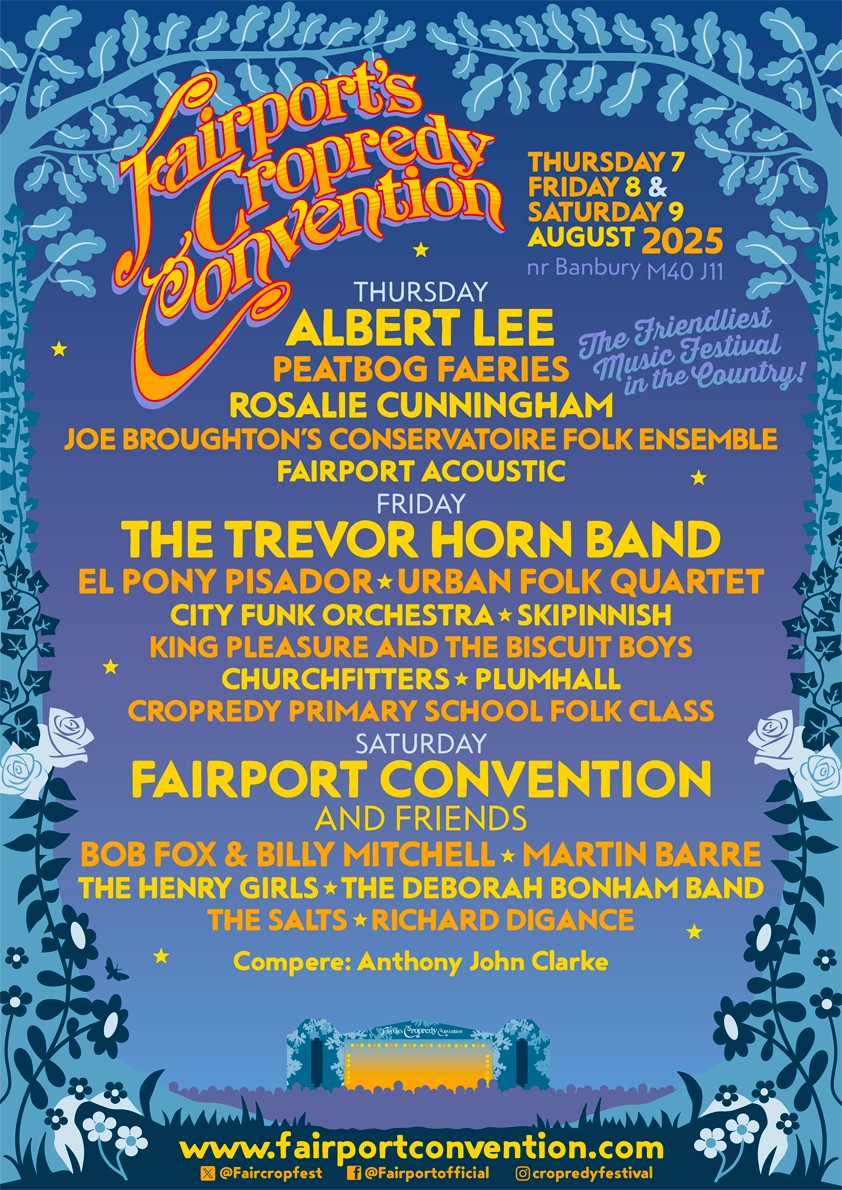
I think we’re going to have a fantastic year and I’m really pleased about the line-up. There isn’t a bad act on it and I’m so pleased that we’ve got Albert Lee because we’ve been trying to get Albert for years. And Martin Barre coming back – Martin is a great guitarist. And we’ve got Deborah Bonham – I love Deborah’s singing. The Churchfitters are coming back. And Trevor Horn’s coming back. We missed him last year because he was poorly and he had to cancel so it’s great having Trevor back.
I think that within the financial constraints that you’re operating in, it’s still a fantastically diverse line-up which has some of the folky elements and some of the classic rock elements and I’ve always liked that mix. You’ve still managed to maintain that.
Yeah, the diversity musically is one of the attractions of Cropredy, I think, because it’s not all folkie and it never has been because we’ve always had a real mix of music, like reggae, rock. We’ve never really had punk bands but we’ve had some very diverse kinds of music on there – and that will always be. The criterion is whether we think the acts that we book musically fit the bill. If the bands are all really good, the only people that suffer are us because we have to follow them all. It’s not funny. Two years running I’ve sat out in the field and I’ve watched and I’ve thought, “This is fantastic. The sound’s great, the screens, you can see everything, you don’t have to move, the bar’s only like a minute’s walk away and everybody’s so friendly and having a great time.” And then when it comes to Saturday night, I’m like, “Oh hang on, we’re on now. We’ve got to follow that lot!” It’s not easy. There’s a lot of nerves when we get up on that stage, because we play for about three hours.
In fact, this year’s going to be really fun for us because when we open on Thursday, we do our twenty-minute acoustic spot. We do Chris’s song the ‘Festival Bell’ and then we’re going to be joined by Joe Broughton’s Folk Ensemble. So, fifty students from Birmingham Conservatoire who are monster players and we’re going to do the biggest version of the ‘Lark in The Morning’ medley from Liege & Lief. Which should hopefully set the mood for the rest of the weekend.
Let’s move on to the tour then. What do you want to tell us about the Winter tour, starting 31 January?
I think we’ve got 27 dates altogether. We try and cover the whole country. We start off in Nottingham and we finish up in Tewkesbury. We’ve only got one Scottish date, although it’s great to be in Edinburgh. It’s nearly sold out. The tickets are going really well which is great. And we still enjoy touring enormously and treading the boards has always been what Fairport is good at. We’ve had more success playing live than we’ve had making albums.
Thinking back to when you first joined it must fill you with a certain sense of pride, knowing you’ve helped keep the show on the road all these years. In spite of all the problems in the festival industry, in spite of, sadly, former members no longer being with us, you’re still getting out there. It must give you a certain sense of satisfaction when you’re about to head out on tour again.
Absolutely. It’s great to get in the van. Getting in the van is easier than getting out of it. We’re banned from making pain noises now when we get out the van. But, Darren, I can assure you, I’m really ready to get in the van again and get ready to go out on the road. All I’ve got to do is learn two hours of music! Or re-learn. You think, “Oh I know all that stuff. I’ve played it hundreds of times.” And then you go, “Oh-oh”. We might be doing ‘The Lass from Hexhamshire’. We actually play in Hexham – on Valentine’s night – so it will be a great opportunity to get that song in the set – but, of course, we’ve got to learn it. And it’s quite a complicated arrangement from what I can remember. So that’s this afternoon’s work. I’ve lit the fire here because it’s really soggy and cold in Brittany so that’s my afternoon – learning the set.
Well good luck with the preparations and I look forward to seeing you at Union Chapel.
Tour dates:
January 31st Nottingham – Playhouse
February 1st Edinburgh – The Queen’s Hall, 2nd Alnwick – Alnwick Playhouse 4th Milton Keynes 5th Southend – Palace Theatre 6th Bury St Edmunds – The Apex 7th Canterbury – Colyer Fergusson Hall 8th Farnham – Farnham Maltings 9th Worthing – Connaught Theatre 11th Wakefield – Theatre Royal 12th Newcastle under Lyme – New Vic Theatre 13th Manchester – RNCM – Royal Northern College of Music 14th Hexham – Queen’s Hall Arts 15th Colne – The Muni Theatre 16th Lytham St Annes – The Lowther Pavilion 18th Lincoln – The Drill 19th Sunderland – The Fire Station 20th Leamington Spa – Royal Spa Centre 21st Harpenden – The Eric Morecambe Centre 22nd London – Union Chapel 23rd Corby – The Core Theatre 25th Swansea – Taliesin Arts Centre 26th Exeter – Corn Exchange 27th Southampton – Turner Sims 28th Bath – The Forum
March 1st Bridgnorth – Castle Hall 2nd Tewkesbury – Roses Theatre
Cool Waters is the debut solo album from singer-songwriter and multi-instrumentalist, Mark Neal. While he’s been playing and recording as part of the Scottish traditional music scene for many years, this is the first time he’s worked solo.
Based in Helensburgh in the west of Scotland, Neal is mainly a guitarist and singer but ever since he started playing music as a young child he’s enjoyed the challenge of picking up and learning new instruments and different musical styles. Having a keen interest in science and technology (having studied a degree in Physics and a PhD in musical acoustics) he has always enjoyed the technical side of music. He’s been heavily involved in sound engineering and recording since his university days and is co-owner of the Edinburgh recording studio ‘The Sonic Lodge’ with fellow musician and producer Phil McBride.
Mark Neal:“I have been writing songs for many years and over 2023 I decided to take a bit more time to do more writing and ended up completing this collection of songs. This album started as a solo songwriting project but as it developed it seemed like a nice idea to make the whole album completely solo with me playing all the instruments, producing, recording and mixing.”
“The songs are mostly all based around my acoustic guitar playing but move away from the trad/folk style that has been a feature of most of my recording and performing and pulling in influences from jazz, pop, rock and classical music which I also love. Much of the songwriting has been inspired by nature and many of these songs come from thoughts that have popped into my head when wandering around the land and seascapes in the West of Scotland.”
Cool Waters is a highly enjoyable album with some lovely guitar, both acoustic and electric. Although Mark Neal’s musical background is very much in Scottish traditional music, this album is much more in the gentle, laid-back singer-songwriter vibe. Think of a Scottish James Taylor and you won’t go far wrong. Beautifully written and performed and well worth checking out.
Photo credits: Gordon Russell
Cool Waters available on CD via Bandcamp and released on all major platforms from 1st November 2024
A Happy New Year and thanks to everyone who has visited Darren’s music blog during 2024. As usual, we have a nice eclectic mix of musical genres featuring in this year’s top ten most viewed posts: folk-rock, prog rock, glam rock and much more besides. Here’s to 2025!
1. Live review: Saving Grace with Robert Plant & Suzi Dian, White Rock Theatre, Hastings 23/3/24
Of all the ‘70s rock gods, Robert Plant is perhaps the one who has most has steadfastly refused to be pigeon-holed in the superannuated, stadium heritage rock act persona. It’s meant he’s continued to surprise and delight with new musical ventures. And it’s meant I could stroll along up the road to see him and his band perform an intimate gig in my local theatre.
2. Interview with Fairport Convention’s Simon Nicol
Ahead of Fairport Convention’s 2024 Winter Tour, I caught up with Simon Nicol. We discuss Dave Mattacks’ return to the Fairport fold, the forthcoming tour, this Summer’s Cropredy and why he won’t be retiring any time soon.
3. Farewell Frank Torpey – the last surviving original member of The Sweet
Frank Torpey’s role in the history of The Sweet was a small one but, nevertheless, an important one. Moreover, as well as continuing to play and record, he was always happy to engage with fans about The Sweet’s very early days. My tribute to Frank, who died in March this year.
4. Live review: Fairport’s Cropredy Convention August 2024
As things drew to a close with the familiar rendition of ‘Matty Groves’ prior to ‘Meet On The Ledge’ Simon Nicol confirmed that he’d been given permission by the ‘powers that be’ to throw in his usual ‘same time next year?’ invite, in spite of the festival’s future looking extremely precarious earlier this year. Phew! It will be going ahead in 2025 then. I’ll be there…
6. Live review: Oysterband & June Tabor, De la Warr Pavilion, Bexhill 5/10/24
It was almost exactly ten years ago when I last saw June Tabor and Oysterband at the De La Warr Pavilion, my first time visiting this stunning piece of 1930s architecture. I wasn’t even living down here yet but a friend had a spare ticket going and I came down for the weekend. So, when Oysterband announced their ‘Long Long Goodbye’ farewell tour with June Tabor, once again, as their very special guest I booked a ticket straight away.
7. Beckenham, Bowie, the Spiders and glam: interview with Suzi Ronson
Suzi was a small-time hairdresser in Beckenham before being swept up in a world which saw her become stylist for David Bowie and the originator of the iconic Ziggy Stardust hairdo as well as falling in love with the late Spiders From Mars guitar icon, Mick Ronson, who she would go on to marry.
8. Live review: Tubular Bells – the 50th anniversary celebration at White Rock Theatre, Hastings 30/10/24
From the familiar opening bars of part one of Tubular Bells, through every second that followed the who thing was just a magical, mesmerising and utterly unforgettable experience. For something that was so clearly conceived as a studio project, to see it transformed into a live performance piece in this way will stay with me a long time. Hats off to Robin A. Smith for pulling together such a stunning interpretation of one of the all-time classic instrumental albums.
9. Live review: Martin Turner ex Wishbone Ash – White Rock Theatre, Hastings 6/9/24
Performing two hour-long sets with a short half-hour interval in the middle, it’s a superb night packed full of Wishbone classics. I won’t say I haven’t enjoyed Andy Powell’s ‘official’ version of the band when I’ve seen them live but, for me, what gives Turner’s outfit the edge is being able to hear the original voice behind many of Wishbone Ash’s most famous songs live on stage. And his bass-playing is as majestic as ever.
10. Live review: Justin Hayward at De La Warr Pavilion, Bexhill 16/10/24
With the death of Mike Pinder earlier this year, none of the original ‘Go Now’ line-up of the Moody Blues are still with us. And only Justin Hayward and John Lodge now remain from the classic ‘prog-era’ post-1967 line-up. But the music they leave remains with us and Justin Hayward does a hugely impressive job in celebrating the band’s legacy with affection, panache and good humour, along with some incredible musicianship on stage beside him.
Thanks to a run of unforgettable festive hits during the period 1973-74, glam rock has been an integral part of the traditional British Christmas ever since. And apart from one year during the Covid pandemic, a trip to see a ‘70s glam rock chart-topper (whether that be Sweet, Slade or, ahem, Gary Glitter) has been an annual Christmas ritual for me pretty much every single year since I was a teenager back in the early ’80s.
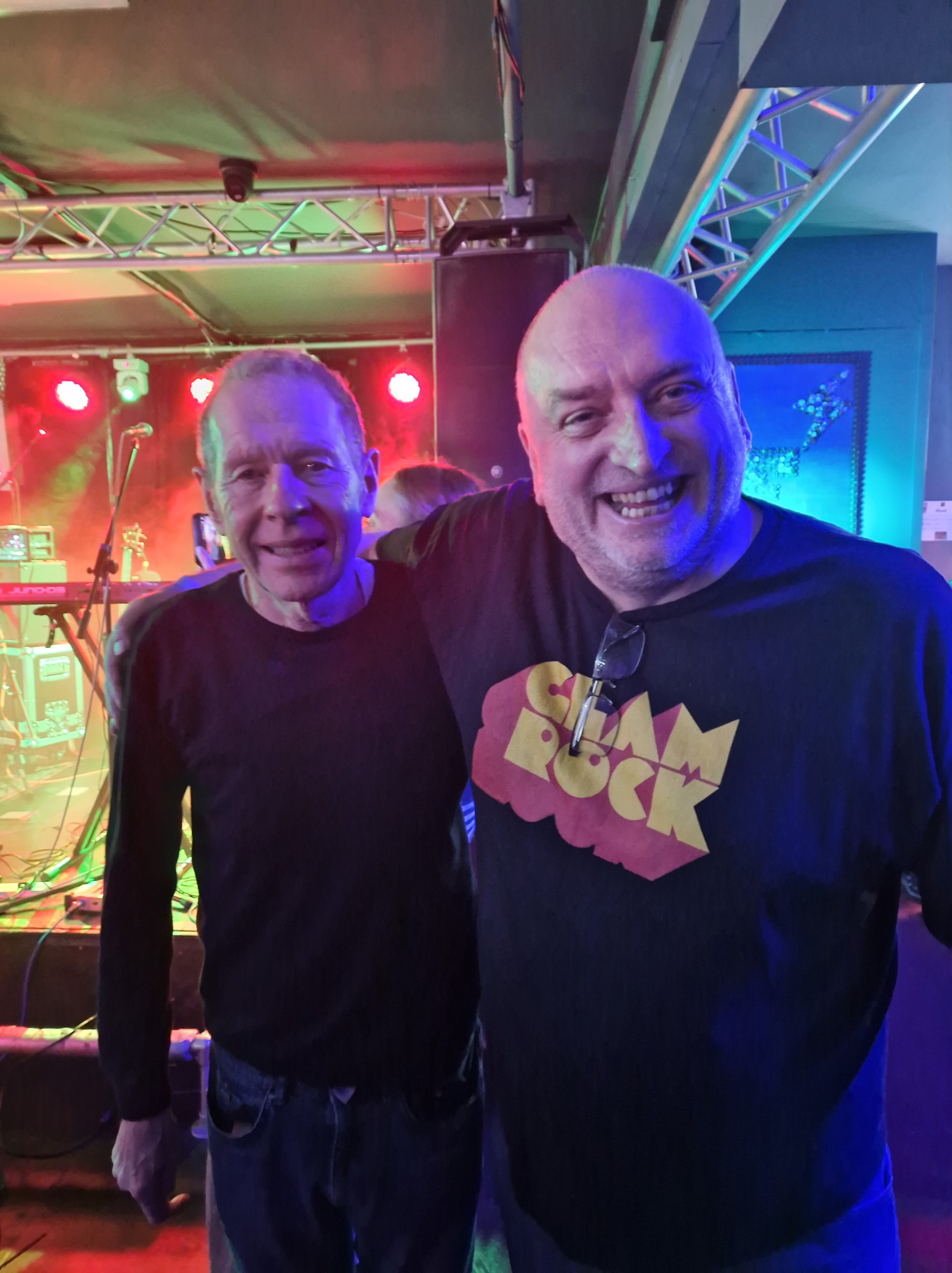
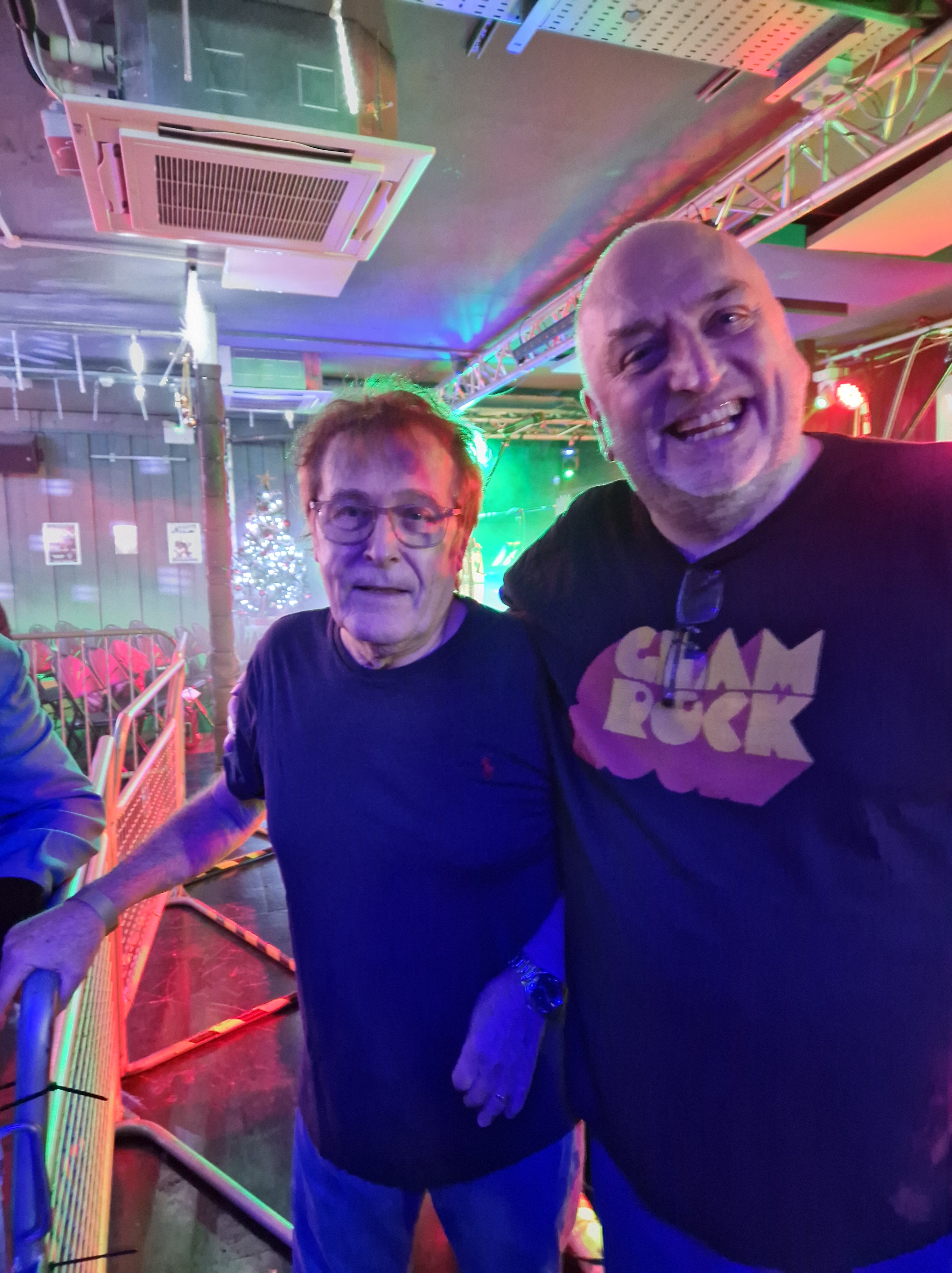
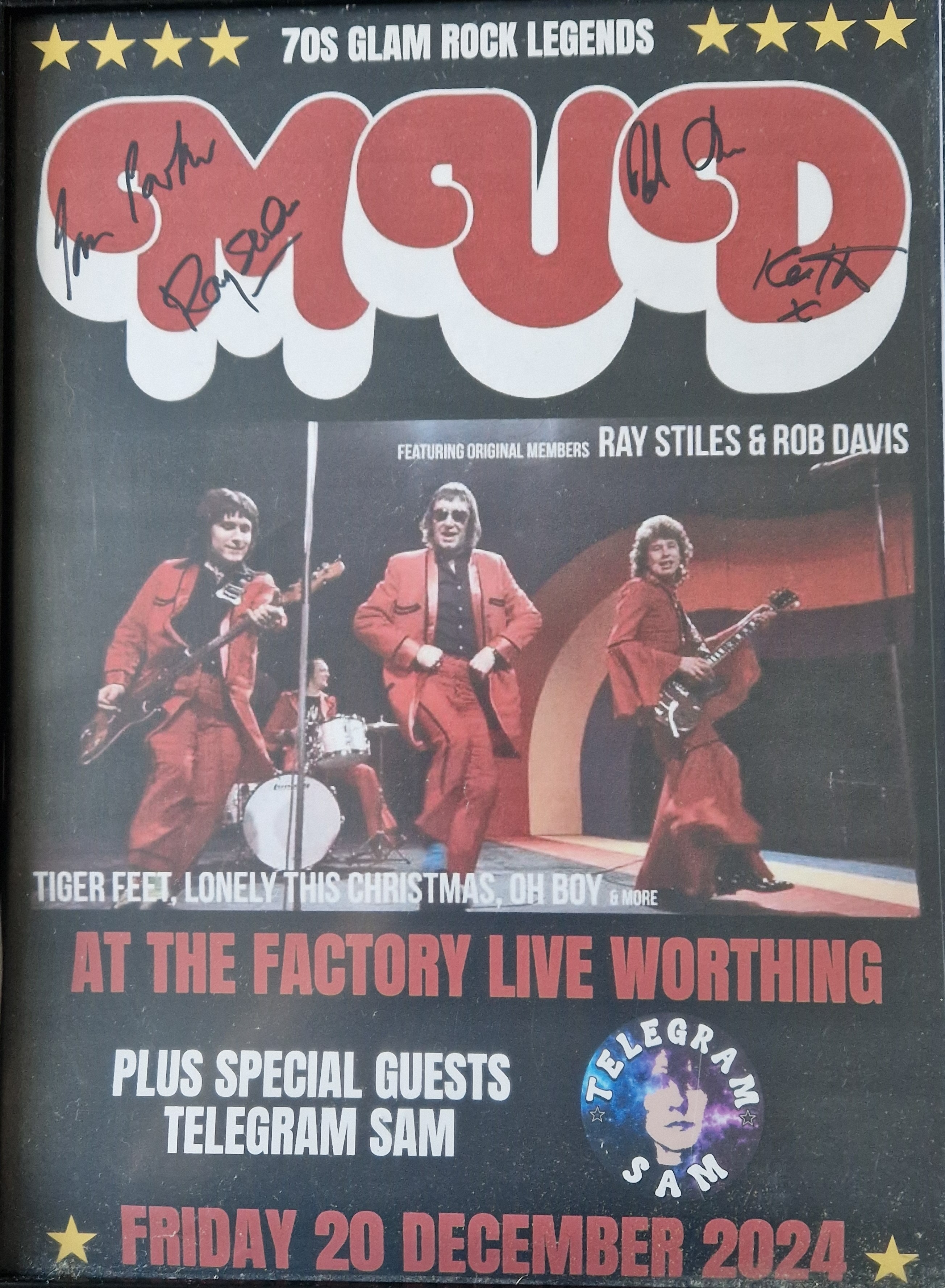
But with Andy Scott’s Sweet not touring the south-east year, Dave Hill’s Slade not touring at all and Gary Glitter safely locked away in prison, it almost looked like it being a glam-free Christmas for me this year. But then a friend messaged me with the news that Mud were playing Worthing this year. Featuring the two surviving original members, Rob Davis and Ray Stiles, I would get my glam Christmas gig after all!
Taking the stage at the small but packed-out Factory Live venue, Ray Stiles began by paying tribute to the memories of the two who are no longer with us, Les Gray and Dave Mount. I’d seen Les Gray’s version of Mud back in the 90s, and I’d seen his former backing band doing their own Mud tribute many times over the years, but this would be my first time seeing Stiles and Davis together on stage.
Stiles (who has enjoyed a solid, almost four-decade career as bass player with the Hollies) takes on the frontman role in the rebooted Mud. As well as Davis on guitar, the glam-era connection is further underlined with the Glitter Band’s Pete Phipps on drums; alongside Stiles’ long-time Hollies band-mate, Ian Parker, on keyboards and veteran guitarist, Keith Read, providing additional guitar and vocals.
Ray Stiles
Things get off to a storming start with a rendition of Stiles and Davis self-penned ‘L-L-Lucy’ before we get a blast of Mud’s first three Chinn and Chapman hits: ‘Crazy’, ‘Hipnosis’ and the always-brilliant ‘Dynamite’. There’s no shortage, either, of the glam-themed remakes of those vintage rock and roll standards that Mud became famed for, songs like ‘One Night’ and ‘Oh Boy’. For the latter we are treated to a guest spot from Liquid Gold’s Ellie Hope who reprised her role on the original 1975 single, where she duetted with Les Gray.
As well as delivering his signature pounding beat throughout the set, Pete Phipps also gets his moment in the spotlight when he is invited to deliver the lead vocal on a glamtastic cover of the Glitter Band’s own smash single, ‘Angel Face’.
Mud’s brief dalliance with disco also gets a look-in with a rendition of their 1976 hit, ‘Shake Down’. For the benefit of anyone at all who may have been unaware, this gives Stiles the chance to point to Davis’s post-Mud career as a mega-successful songwriter, writing dance anthems. We get a short blast of Kylie’s ‘Can’t Get You Out of My Head’ over the PA just to prove the point.
Rob Davis
Though less familiar, and clearly nowhere as lucrative, Stiles is also keen to highlight aspects of his own post-Mud career. He introduces his wife Anne on stage to perform a couple of numbers from their corporate covers band days. In fine voice she delivers soulful-sounding covers of ‘Love Is a Battlefield’ and ‘Play That Funky Music’.
Then we’re back to more classic-era Mud with rocking renditions of ‘Cut Across Shorty’, ‘Rocket’ and ‘The Cat Crept In’. We’re coming to the end by now. There’s only time for two more songs. Everyone knows exactly what there going to be and we wouldn’t want it any other way.
First, Stiles puts on his best Les-Gray-Does-an-Impression-of-Elvis voice to deliver a glorious sing-along ‘Lonely This Christmas’. How wonderful to be hearing Mud perform this live on the fiftieth anniversary of the very week it was the Christmas number 1 – I felt quite emotional, even with all the daft ventriloquist dummy antics on stage reprising Les Gray’s iconic Top of The Pops appearance.
Then we are all invited to give a hearty yell of ‘Yaaaaaaaaaaaay’ and it’s time for a barnstorming, rip-roaring rendition of ‘Tiger Feet’, one of the biggest hits of 1974 and one of the best songs of the entire glam era. What a wonderful evening and thank you Ray and Rob for taking us all back to the days of Mud Rock.
My introduction to Mott the Hoople was via the band’s final two studio albums, Mott and The Hoople, discovered while hunting through the second-hand record racks of Preston’s Action Records as a teenager in the early ‘80s. I was rebelling against the synth-heavy, over-produced music of the era and was on my very own retro-fuelled journey of discovery. Mott I absolutely adored, particularly Ian Hunter’s old-school rock and roll piano, and a few weeks later I also bought The Hoople, with Ariel Bender now on guitar and the one and only Morgan Fisher on keyboards. To me those last two albums, with all of that irresistible keyboard-playing, was the sound of Mott The Hoople and at the time I was completely oblivious to the earlier material featuring Verden Allen’s distinctive Hammond – although I soon came to love that as well.
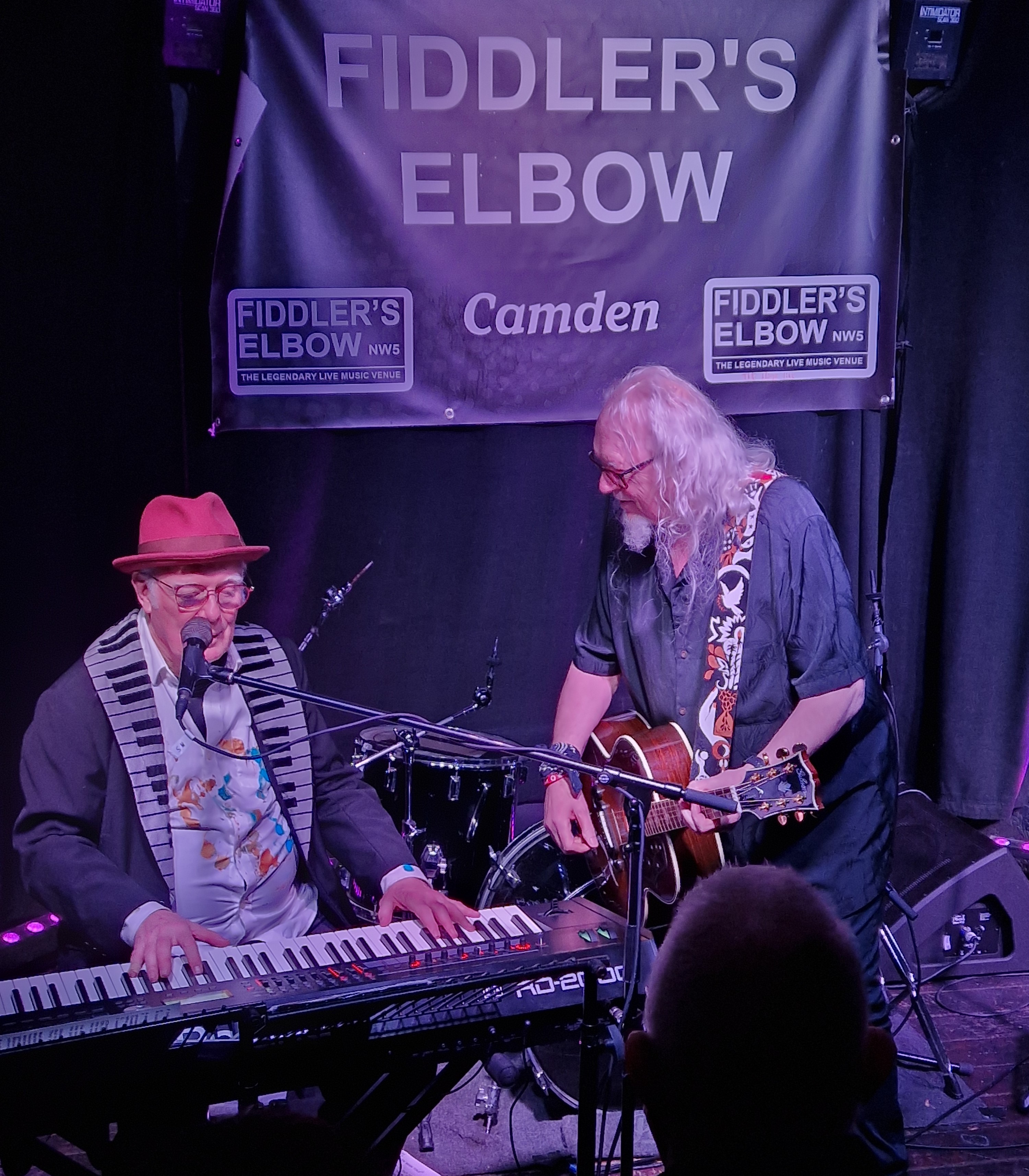
Late-period Mott The Hoople was, therefore, very much my entry-point into what would be a life-long love affair with the band. So when I saw Morgan Fisher announce he was doing a one-off solo gig while he was over from Japan I booked my ticket straight away. I’ve witnessed each of the Mott The Hoople reunions and I’ve seen Ian Hunter perform solo many times but this was going to be unique: Morgan Fisher performing The Hoople album in full in a small sweaty music pub in Camden.
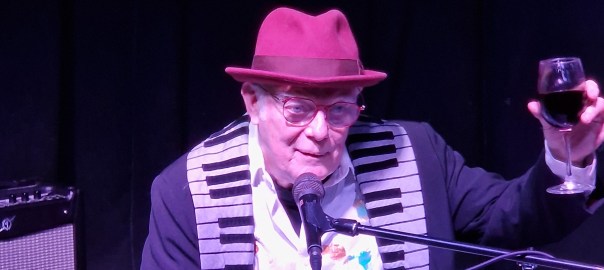
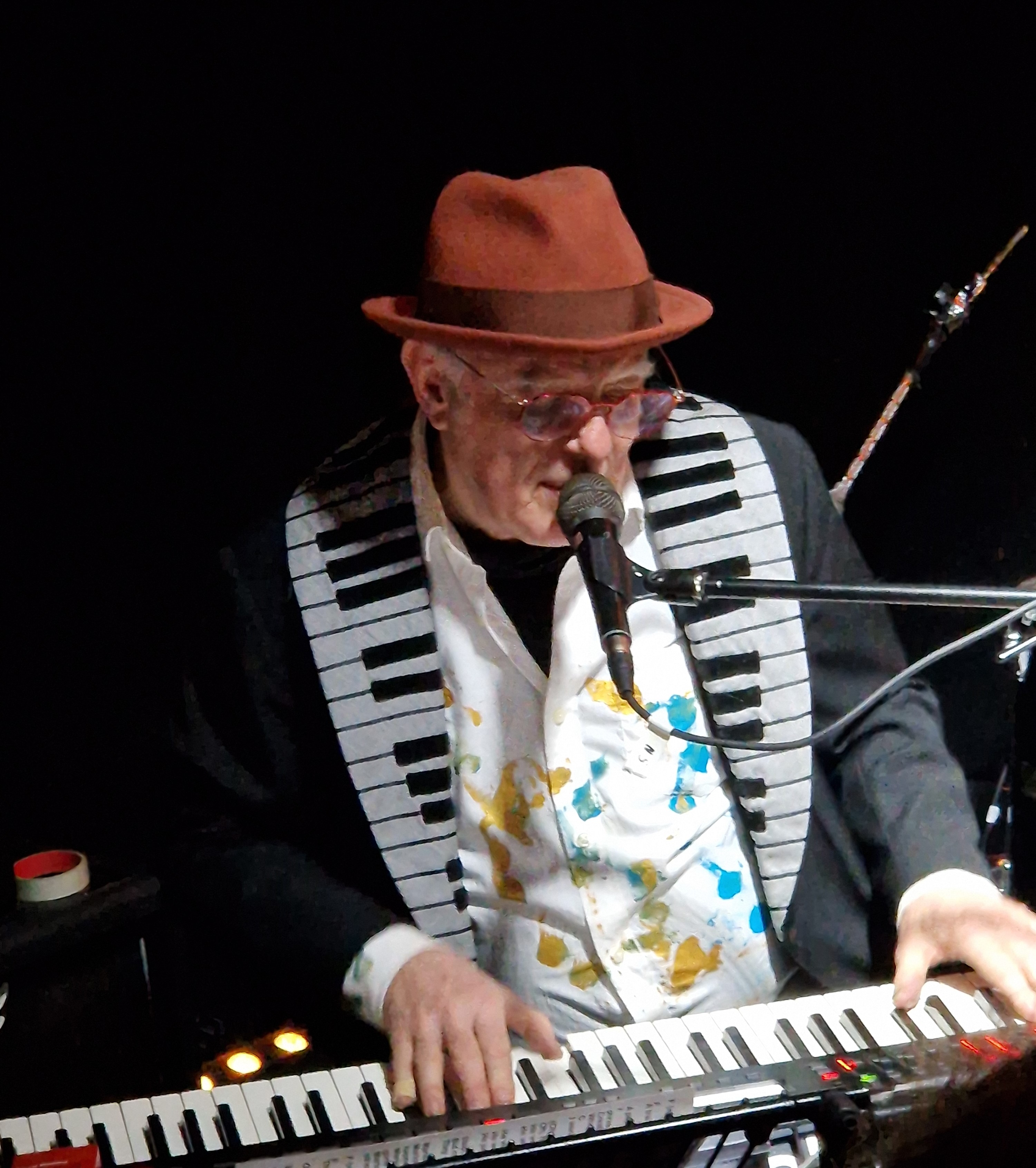
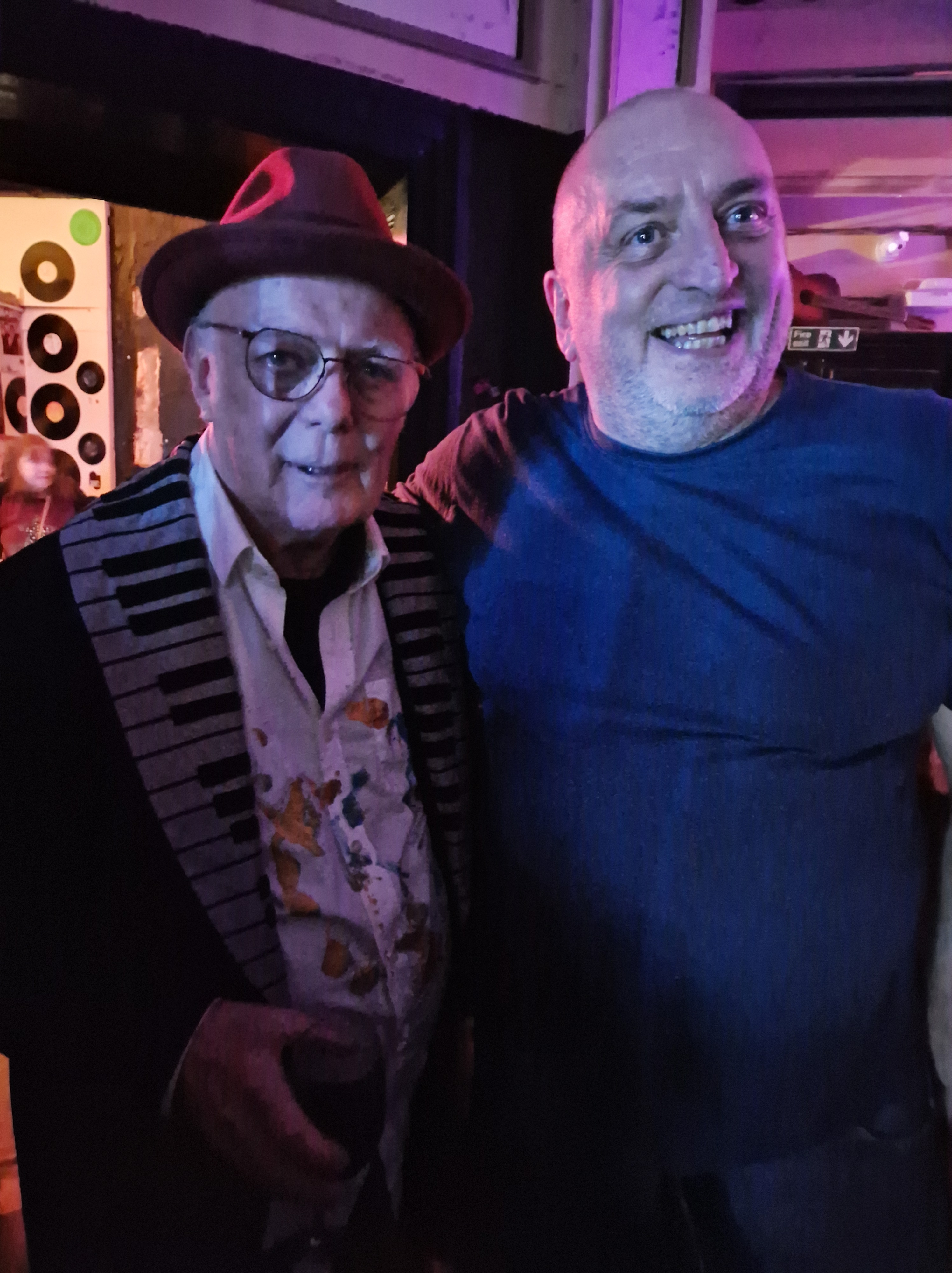
Dapperly dressed, as always, in keyboard-lapelled jacket and glass of red wine in hand, Morgan introduced ‘The Golden Age of Rock ‘n’ Roll’ (track one, side one of the original album) by saying that Ian Hunter had originally planned to play the keyboards himself, but after nailing the keyboards on the first take, Morgan’s Jerry Lee Lewis-inspired pounding is what you hear on the album. And on it goes from there. All of those unforgettable classic tracks, played and sung exclusively for a gloriously-enthusiastic 120-strong audience.
Morgan told us that the backing tape he was playing along to was actually the sound of Dale Griffin’s drums, isolated from the original album. He explained that while AI was a terrible way of creating music it was a great way of separating out certain sounds from music that had already been created. As well as the sound of Buffin’s drums (and a chance to really hear what a superb drummer he was) there were other embellishments along the way: the odd bass-line, certain guitar riffs and some of the album’s most memorable sound effects. For the ‘I’ve got my invite’ line in ‘Roll Away the Stone’, however, Kristy Benjamin (daughter of post-Hunter Mott singer, Nigel Benjamin) stepped up to the mic to do the honours, to huge applause when Morgan introduced her.
That last song, of course, ended both the original album and the first set of the afternoon in spectacular fashion. Then, after a short break, we were back with a mix of other Mott the Hoople classics (‘Foxy Foxy’, ‘Saturday Gigs’, ‘Dudes’) together with a Nigel Benjamin-era Mott song (‘Career’ dedicated, touchingly, to his daughter) as well as some highlights from Morgan’s solo career and other collaborations – plus a bit of Bach! As the second set moved to a close, Morgan reminded us that there was one song from The Hoople that he had not yet played, pointing out that the epic, classically-influenced ‘Through The Looking Glass’ had never been attempted on stage. Until now that is…
Morgan is, deservedly, clearly still proud of his time in Mott The Hoople and praised the quality of Ian Hunter’s sharp, observational song-writing. “He should have been recognised as Britain’s Bob Dylan,” he told us before launching into a poignant, spirited and triumphant rendition of Through The Looking Glass’.
Then it was time for an encore. I’d spotted John Fiddler in the audience at the start and hoped he’d be jumping up on the stage for a couple of numbers. Sure enough, as a special encore treat, he joined Morgan on stage to deliver rousing renditions of two songs the pair had performed together as part of the post-Mott outfit, British Lions, ‘Wild in the Streets’ and ‘One More Chance To Run’. What was equally touching was seeing the very obvious five decades of friendship playing out on stage between the two.
If you’d have told me in my mid-teens that one of the ways I’d be spending my late 50s would be a Saturday afternoon in a packed north London boozer listening to Morgan Fisher pounding out old Mott The Hoople classics, I’d have been very happy with that indeed. A perfect afternoon.
Hawklords was originally a late 1970s spin-off project from the space rock legends, Hawkwind, during a time the main band was on a brief hiatus. Fast-forward to 2008 and the name was resurrected as the name for a new band featuring a handful (of the many!) former members of Hawkwind. Just like Hawkwind itself, there have been numerous changes in personnel since then but former Hawkwind members have always been a strong presence in each iteration.
Currently, Hawklords is composed of Jerry Richards on guitar and vocals, who was part of Hawkwind in the late 90s-early 00s; Mr Dibs on bass, who did an 11-year stint in Hawkwind until 2018; and Dave Pearce on drums, who was never part of Hawkwind but was a member of psychedelic-rockers, The Bevis Frond.
While most spin-off projects from veteran rock acts tend to make very liberal use of their parent band’s back catalogue, with set-lists composed mostly or entirely of a compendium of classic cuts, this is very much not the case with Hawklords. They certainly capture the sound, spirit and ethos of classic-era Hawkwind but the focus these days is very much on performing new, original material.
The band are currently promoting a brand-new album, Relativity, and there is a heavy focus on material from that on this current tour. But, as the publicity blurb aptly spells out:
“Sounding, at times, as if the music has fallen through a worm-hole from the classic 1970s era of space-rock and psychedelia, the new release explores themes including Artificial Intelligence, ‘machine learning’ and how Humanity can, in part, come to terms with all that entails.”
This is manna from heaven for any space rock devotee and fans of 70s era Hawkwind will find the key ingredients all present and correct at a Hawklords gig: the light show, the sound effects, the spoken word interludes, the hypnotic riffs, the whole shebang – but, crucially, all with captivating new songs, addressing contemporary themes relevant to the modern age.
The vintage material isn’t neglected entirely and the band give us a blast of ‘Brainstorm’ from the Space ritual album. Nick Saloman of The Bevis Frond is also invited up on stage as tonight’s guest to give us an additional blast of guitar, serving to make it an even more memorable evening. I was completely transfixed from start to finish. I also picked up a copy of the new album, Relativity, at the gig. Really well-produced it’s already had repeated plays since the weekend.
















 Darren's music blog