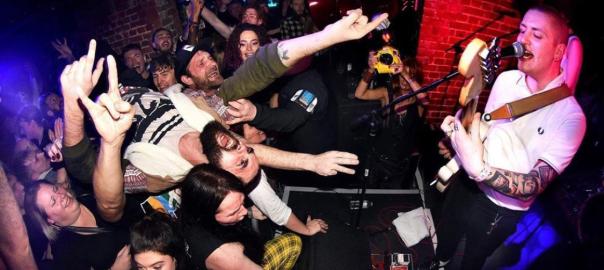
Throughout the Covid crisis the Music Venue Trust has worked to help secure the future of hundreds of grassroots music venues that have been hit by the catastrophic economic impact of the pandemic. The campaign is now focusing efforts on those venues under most imminent threat of permanent closure, ones where all other avenues of available funding from government schemes have been exhausted. Grand Elektra of Robertson Street, Hastings is one of thirty such venues on the #SaveOurVenues Red List of grassroots music venues most at risk of closure, nationally.
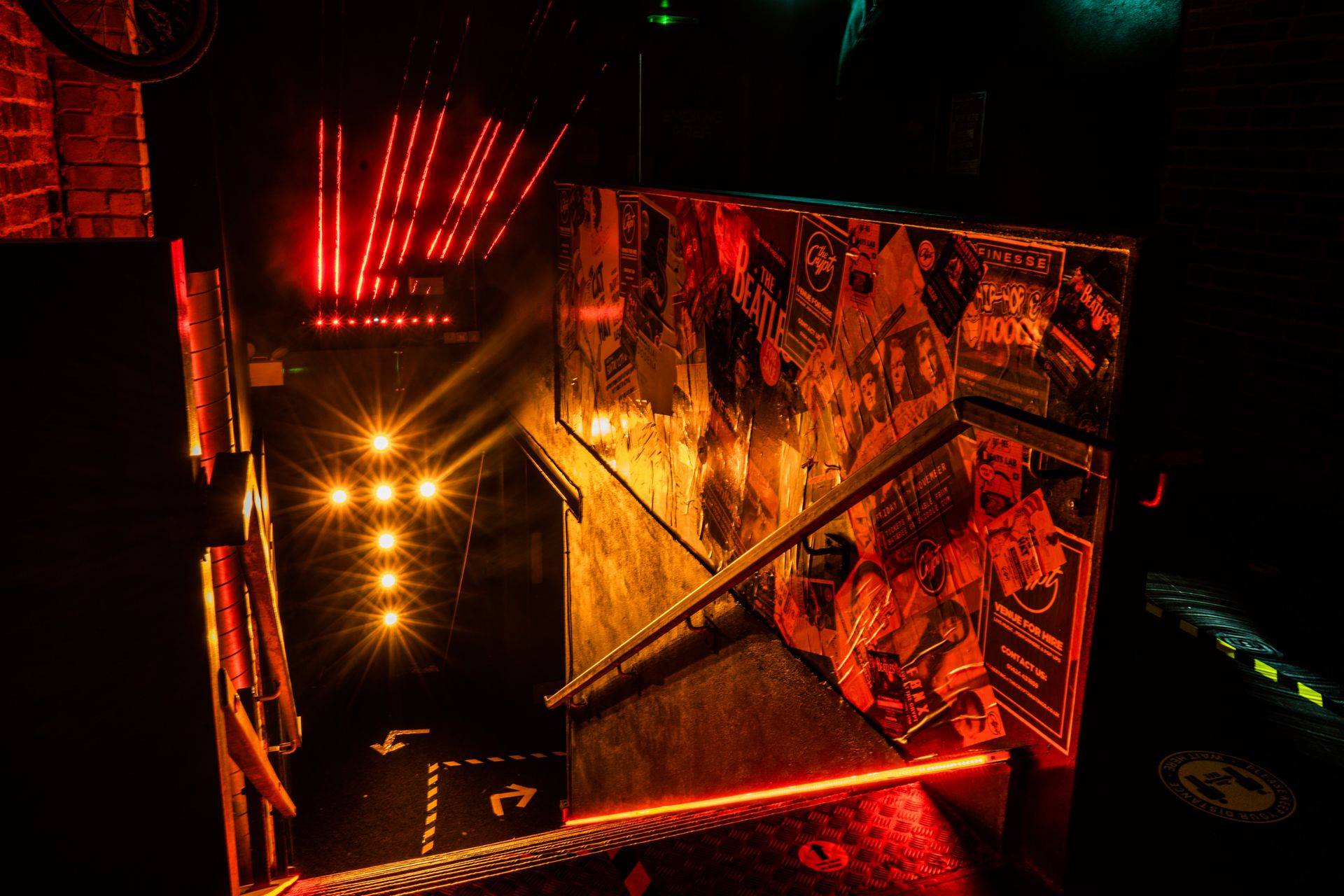
A number of major acts, including Ash, Muse, Kasabian and The Kooks as well as jazz icon Gil-Scott Heron, have all played there. Previously known as ‘The Crypt’, the 450 capacity venue was brought back from closure and fully refurbished back in 2015 and rebranded as the Grand Elektra. With the support of the Music Venue Trust a crowdfunding appeal has now been launched to save it.
Venue operator, Paul Mandry, told me:
“Grand Elektra fund raising via crowdfunding is so important to grassroot music venues, especially ones like us that didn’t successfully get the governments arts recovery fund, due to not ever filling out these forms before. As an independent I’ve never assumed we were viable and on top of the first lockdown, not getting certain information from accountants left us non eligible. Since that deadline we’ve had no signs that we could reapply which is a double blow because now we would be eligible as we know how to make a better case and have all the details from accountants ready to resubmit.“
“Not having the support from the arts council left us not being able to cover fixed bills like rent and lease hire which are mounting up daily, putting the venue in to the critical zone with #saveourvenues. The Crowdfunder is to cover these costs until March 2021 so we can stay open and entertain the town community like we want to do, without crippling debt, which could push us off the cliff edge we are on.”
Paul is full of praise for the role the Music Venue Trust have played throughout this crisis:
“Without the support of MVT this dreadful situation could have been a lot darker and harder to circumnavigate through to this point. We are not alone Beverley, Mark and Gang at MVT should be knighted for what they’ve accomplished throughout this global crisis. So many of us are forever grateful for their relentless energy to support and help save as much as they can of this decimated sector. I personally can’t thank them all enough.”
Music Venue Trust is a UK Registered Charity which acts to protect, secure and improve UK grassroots Music Venues for the benefit of venues, communities and upcoming artists. Read more here.
Falling Nine are a two-piece rock project from Cardiff consisting of David Lydiard (Vocals, Guitars, Synths) & Steven Watts (Guitars, Bass, Drums, Synths). Releasing their debut EP back in 2007 they’ve had numerous releases since then and the pair has been joined by several collaborators.
For their latest release they take on the mighty Sweet classic ‘Fox On The Run’ which was the glam heroes’ first self-written smash hit in 1975 after stepping away from song-writing team Mike Chapman and Nicky Chinn.
Falling Nine frontman David Lydiard explains: “I hadn’t heard the song for ages and one day during a trip down a YouTube rabbit hole I came across a live cover by the Chili Peppers with John singing. It had a raw, punk energy to it, and being a massive Frusciante fanboy, I instantly loved it. So I put up a very rough, live acoustic version of it on our YouTube Channel, just for a bit of fun. During lockdown, Steve (Watts) stumbled across it, tells me that he likes it, and asked me if I fancy recording a full version of it, and here we are.”
‘Fox on the Run’is Falling Nine’s first new release in four years. “Sometimes life gets in the way, which is why we’ve taken so long between this and our last record (2016’s ‘Atonement’), but priorities have shifted and we’re pumped to be working on new music again.”
Falling Nine are:
David Lydiard – Vocals / Guitars / Synths
Steven Watts – Guitars / Bass / Drums
Guest lead guitarist Justin Larner was also enlisted by the duo and contributes his own original solo, giving the Sweet classic a twenty-first century makeover.
“Justin is an incredible guitar player and I’ve been a fan of his tone and his playing since first hearing him when he played with Grand Ultra, says Lydiard. “We wanted a solo that kicks you in the arse and Justin nailed it 100%.”
‘Fox on the Run’ was released on 27th November 2020 and is available on all streaming platforms
Another album of impressive blues rock from Storm Warning who have been a fixture on the UK live scene for over fifteen years now. However, this latest album Different Horizons is tinged with a note of sadness. Shortly after completing recording, guitarist, Bob Moore, sadly passed away. Different Horizons thus now acts as something of a tribute to Moore’s playing and song-writing. He was part of the band from its inception.
“Not flashy or fast, but clear, beautifully intoned and with exactly the right combination of effects. No one sounded like Bob, live or in the studio,” says vocalist Stuart Maxwell in the liner notes.
Although the band are also known for stamping their own mark on blues standards here they focus on nine new original compositions.
Commencing with birdsong before embarking on a classic slice of blues rock with title track ‘Horizons’, it’s a beautiful album and a fitting tribute. I particularly loved the moody, smouldering, bluesy guitar on tracks like ‘Can’t Sleep For Dreaming’ and ‘Long Road’ where Ian Salisbury’s soulful keyboards perfectly compliment Moore’s guitar playing. But there’s also lots to enjoy on the rockier tracks, too, like ’Questions’ with its Bad Company-esque riffing. ‘Come On In’, meanwhile, goes for some choppier Feelgoods-style R&B.
Different Horizons is an album that’s highly recommended for blues rock fans and a fitting tribute to their departed guitarist, Bob Moore.
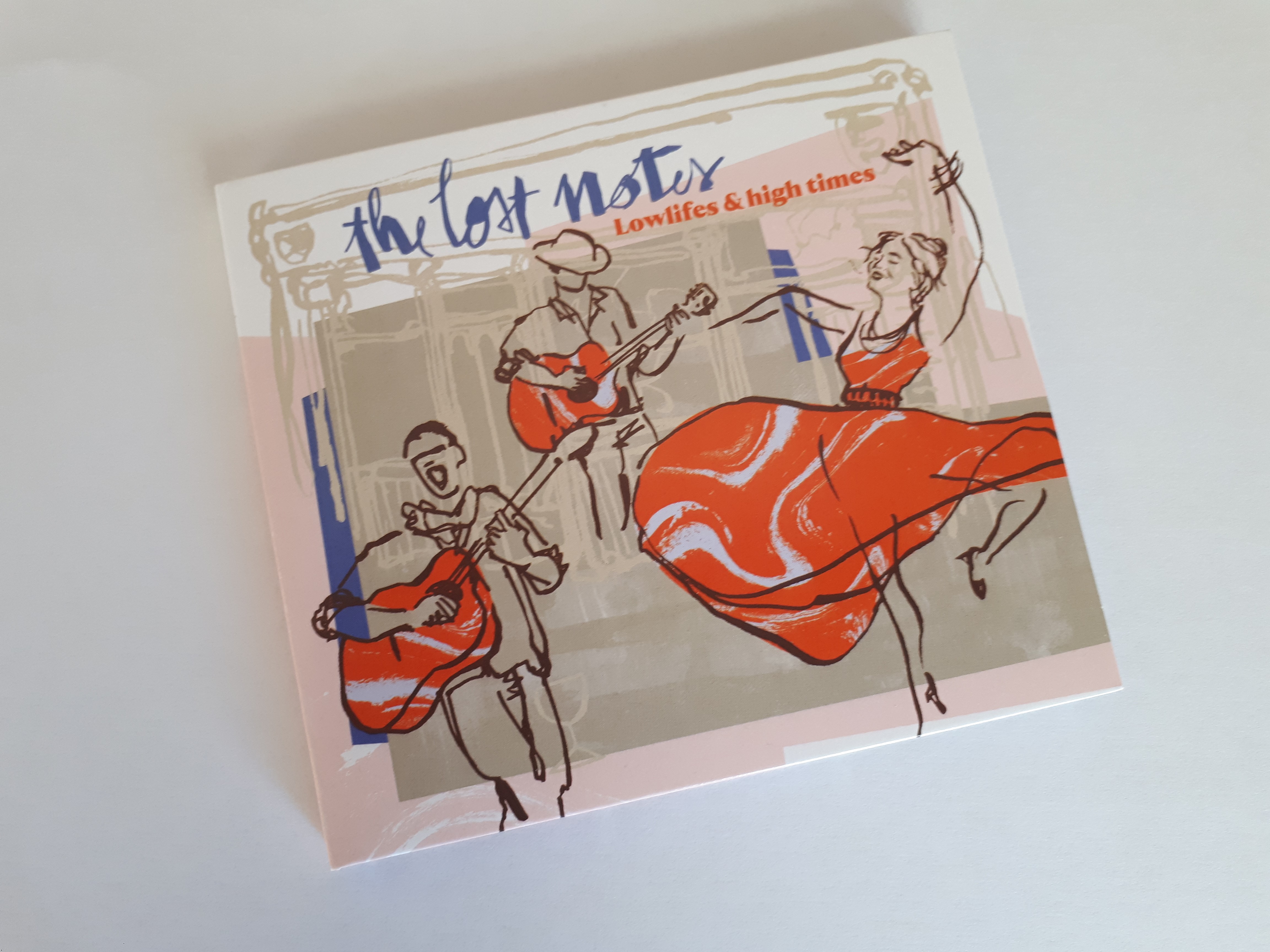
From Moseley in Birmingham, The Lost Notes are a five-piece acoustic outfit who fuse folk, jazz and bluegrass influences to create their own unique but accessible sound with their gorgeous three-part harmonies taking centre-stage.
Lowlifes and High Times is the follow-up album to the band’s well-received debut. Comprising eleven tracks plus a couple of bonus reworkings, the songs “celebrate the ups and downs of journeymen, despots, sleazeballs, fools, the planet and the consciously idle,” the band tell us.
The band are: Ben Mills: vocals, guitar, piano, harmonica; Oli Jobes: lead guitar, vocals; Lucy Mills: vocals; Silas Wood: double bass; and Max Tomlinson: drums. The key songwriters are Mills, a jazz fan, and Jobes, a folkie. Those creative differences clearly blend together well. There’s enough jazz on the album to really make it swing and instantly get your foot tapping but enough folk to ensure the songs are based around storytelling and catchy melodies. What it means is that things never get in the slightest bit self-indulgent but they never get worthy and dull either.
Notching up appearances at the likes of Moseley Folk Festival, Bromsgrove Folk Festival and Beardy Folk Festival, I can see exactly whey their irresistible blend of folk, jazz and Americana and those beautiful harmonies would go down a storm at festivals. Definitely ones to watch.
The hashtag #FolkForChristmas was dreamt up as a means of supporting artists whose income has been devastated by the impact of coronavirus and lockdown this year. People are encouraged to support independent artists and their wonderful music and shop with them this Christmas rather than heading off to Amazon. In putting this list of recommendations together I’ve used nothing more than the totally scientific method of ranking them in order according to the number of hits each of these reviews received on my website.
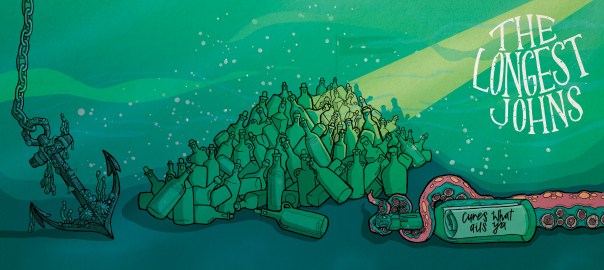
No. 1: The Longest Johns – Cures What Ails Ya
If no-one has done more than Port Isaac’s Fisherman’s Friends to repopularise sea shanties in recent years, then surely no-one has done more than Bristol’s Longest Johns to give them an alt-folk makeover, pull them into the twenty-first century and make them cool. Cures What Ails Ya is the Longest Johns’ third album. A brilliant album from the men who made shanties sexy – buy it!
No. 2: Peter Knight’s Gigspanner Big Band – Natural Invention
Forming first as a violin-guitar-percussion trio creating a wonderful fusion of traditional English folk and a beguiling blend of international influences, the duo of Phillip Henry and Hannah Martin subsequently joined for occasional tours and a live album under the delightful Gigspanner Big Band moniker. Now, the big band has got even bigger – with former Bellowhead legend John Spiers joining. A stunningly good album, even if you’re stingy enough to only buy one folk album this year make sure it’s this one.
Inspired by Nan Shepherd’s memoir, once described by the Guardian as “the finest book ever written on nature and landscape in Britain,” Sturgeon’s album of the same name celebrates Shepherd’s nature writing and the Cairngorms mountain range in the eastern Highlands. Each of the twelve songs on the album take their titles from the chapter headings in Shepherd’s celebrated volume. Beautifully sung and exquisitely played The Living Mountain is a captivating celebration of the natural world and timeless and inspirational nature writing.
Send My Soul is the fifth studio album from singer song-writer Lorraine Jordan. Memorably described as ‘Celtic soul’ her music builds on her family’s Irish roots while also embracing more contemporary influences. It’s a combination that works fantastically well and from the moment you put it on the album oozes soulful sophistication and captivating musicality. Indeed, such is the powerfully understated beauty of the title track that I had to double-check that this was a brand new song and not a modern interpretation of a long lost gospel soul classic.
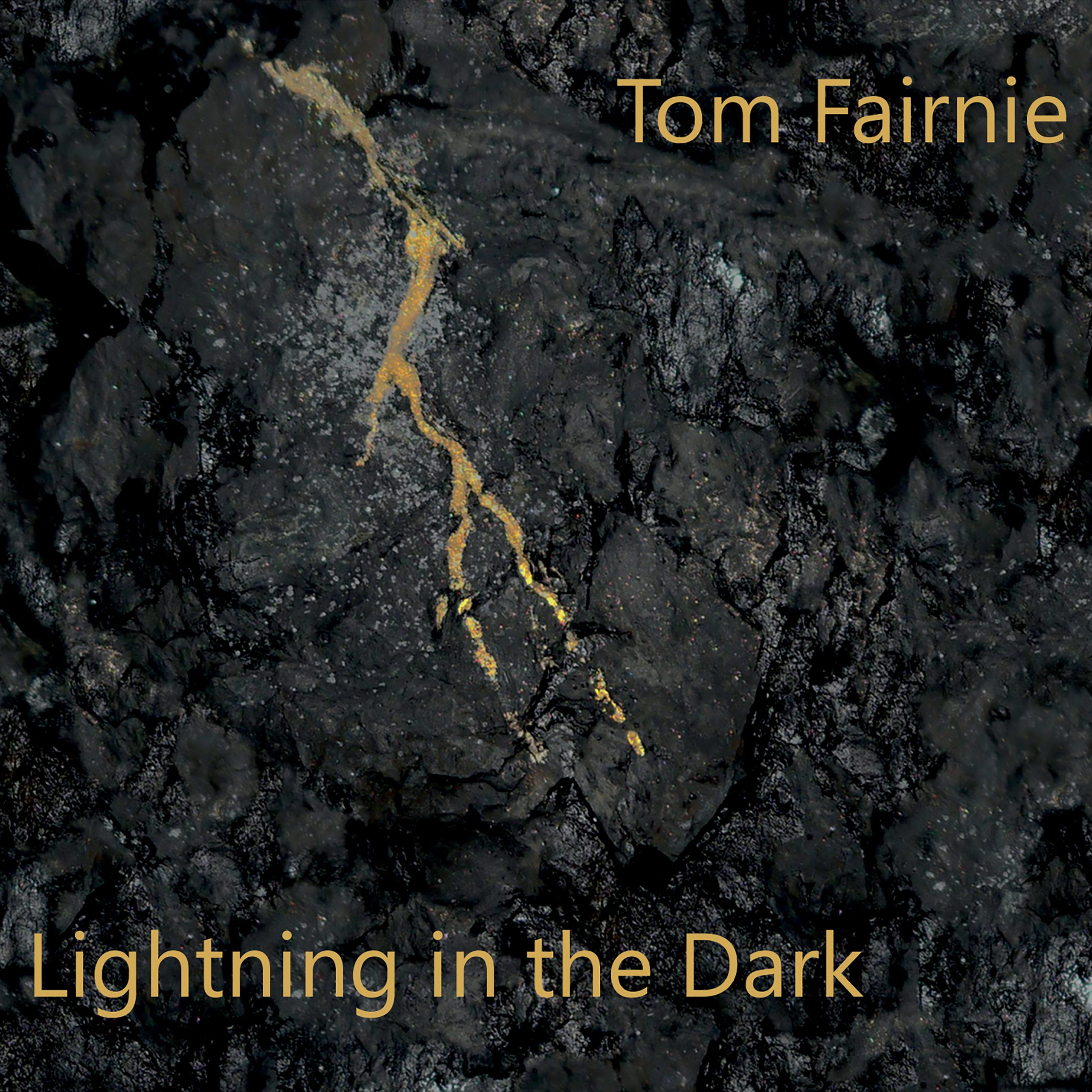
An Edinburgh-based singer-songwriter whose writing cuts across a number of styles, encompassing Americana, folk, country and blues – Tom Fairnie and has built up a considerable reputation on the Scottish folk circuit. Over in Austin, Texas, Grammy-nominated producer, Merel Bregante, came across Fairnie’s music, was inspired by his songs and invited him over to Austin to record. Friends, family and fans rallied round to make that happen, courtesy of a crowdfunding campaign and a series of benefit gigs and Fairnie pitched up in Texas. An absolute gem of an album.
With a name like that, songs that tell tales of heartbreak, cheap whiskey and Jesus, not to mention some deliciously effortless musicianship that just seems to ooze Nashville, I was somewhat surprised to learn that Mr Steinberg hails not from Nashville but from Norfolk (at least these days – although he’s from Yorkshire originally). What surprised me even more, however, was learning that Shadowland is, in fact, Steinberg’s debut album. Outstanding songs, exquisitely well-played and beautifully sung this album radiates such class that I’m still getting my head around the fact it’s a debut album.
All Is Not Forgotten is the fourth solo album from Scottish folk singer Siobhan Miller, three times winner of MG Alba Scots Trad Music Awards and a 2018 BBC Folk Awards recipient. A beautifully pure voice that is just made for Scottish folk along with some exquisitely lovely musical arrangements and some instantly appealing songwriting ‘All Is Not Forgotten’ commends itself to you as a stand-out album as soon as you put it on.
Virginia Kettle’s vocals have been a key element of of Merry Hell’s sound since the band’s inception a decade ago. Before joining her husband John, brothers-in-law Bob and Andrew, and sundry others in the eight-piece folk-rock outfit, however, she’d established herself as a singer-songwriter in her own right. A mellower and more personal offering than a Merry Hell release No Place Like Tomorrow is a charming album that showcases Virginia Kettle’s obvious talents as a singer-songwriter.
Edge of the Wild is a collection of original songs from Hebridean-based author and artist Judy Fairbairns. Drawing inspiration from several decades spent living on the Isle of Mull and celebrating the wild beauty of its dramatic Atlantic shoreline, Edge of the Wild can be seen as something of a companion piece to Fairbairns’ acclaimed 2013 memoir ‘Island Wife’. An immensely satisfying listen and a fine musical debut.
Both Amos and Rocks are each accomplished song-writers and their reflective, thoughtful but easy-on-the-ear lyrics align nicely with some gentle, catchy melodies. The Americana as well as the Celtic influences shine through and it makes for a very pleasing mix. An engaging and likeable album from this duo let’s hope there’s a good few more gigs and a few more albums in them yet.
Having made a noteworthy impact on the UK Americana scene and garnering many favourable reviews as part of Suburban Dirt, their frontman John Wallace Wheatley is open about seeking out a complete change in musical direction for his first solo album: Spent the Morning Watching TV and Looking Through My Phone. “I got bored of mandolins, banjos and hipsters wearing cowboy shirts and singing about mountains, trees and birds,” he confessed to one interviewer recently.
The acoustic guitars and cowboy shirts are out and, picking up his electric guitar, Wheatley delivers an album of perfectly crafted, bitter-sweet, soulful pop-rock.
With ten self-composed songs, including one co-written with cousin Donald Wheatley, John Wallace Wheatley’s tender, soulful vocals and warmly evocative guitar and piano playing instantly transport you back to some of popular music’s most memorable eras. It’s immediately evident that Wheatley is well-suited to this change in musical direction and he’s come up with the songs to boot. Moreover, the team he’s assembled for this solo project, particularly Andy Fairlough’s work on the mellotron, provide for some lush, exquisite, multi-layered, musical textures.
As a lyricist Wheatley doesn’t do either lightweight or upbeat. Themes include death, self-doubt and existential crisis and two of the songs are inspired by a visit to a cemetery and the chance discovery of a gravestone bearing his own name. For soulful pop-rock with intelligent song-writing, sincere vocal delivery and gorgeous instrumentation, time spent immersing oneself in this album could prove immeasurably more satisfying than a morning spent watching TV and looking through your phone.
Following the release of his debut album (reviewed here) back in April, the alt-folk musician James Auger aka A Choir of Ghosts releases a new single. ‘Skin & Bones’ is released on November 20th with an accompanying video.
“The song is about the realization that you can’t always ‘fix it’ for the people you love. Sometimes they have to solve it themselves, and you can’t do anything but watch and hope for the best. In order for things to grow to its full potential, you sometimes have to let go,” says Auger.
“It’s a hard realization but I think a lot of people can identify with the feeling of sudden emptiness, when you come to something in your way that you cannot share, but rather have to go about alone. Your only hope lays in that once the obstacle has been passed, you can rendezvous on the other side.”
A spring 2020 European tour was cancelled due to Covid-19, but Choir of Ghosts has now sprung back into life with this gentle, longing beautiful song and atmospheric video filmed deep in the Scandinavian forests.
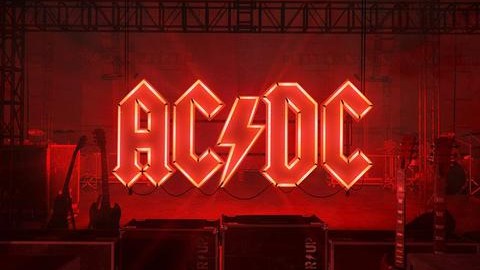
I can remember my disappointment four years ago when AC/DC announced that Brian Johnson was pulling out of their then current tour due to hearing problems but that they would likely conclude the tour with a “guest vocalist”. When Axl Rose came forward to fill in for Johnson I was hugely, hugely sceptical but was completely won over as soon as I saw him actually perform with the band. I even looked forward to the possibility of some sort of Axl-AC/DC collaboration album.
However, when rumours began that Johnson, along with recently-departed bass-player Cliff Williams and laid-off drummer Phil Rudd, were reconvening with Angus Young and the late Malcolm Young’s replacement, Stevie Young, such fanciful notions were immediately put to one side. Brian Johnson was back where he belonged and the classic AC/DC line-up, or as near as humanly possible to it, was being resurrected. This felt exactly right. It’s been six years since the last AC/DC album Rock or Bust and twelve years since Black Ice. What could be a more perfect way to end 2020 than with a new AC/DC album?
Of course, absolutely no-one was expecting any musical surprises with Power Up. And there aren’t any. Indeed, when the first single off the album ‘Shot In The Dark’ gave us a sneak preview of what was in store I would have sworn blind, had I not known it was new, that I already had it somewhere on one of the albums recorded since For Those About To Rock was released. That’s not a criticism at all. The fact that a brand new song like that instantly feels so comfortably familiar after all these years and after various traumas and tragedies is testimony to the band’s ability to deploy all their trademark musical tricks to still make a great new classic.
Across the album we have twelve tracks of classic AC/DC – hard riffing, catchy choruses, bouncy rhythms and a lead singer screaming his lungs out as he has for the last forty years. Welcome back Brian. Welcome back AC/DC.
Brilliantly, expertly, joyously predictable, Power Up is exactly what we needed in 2020.
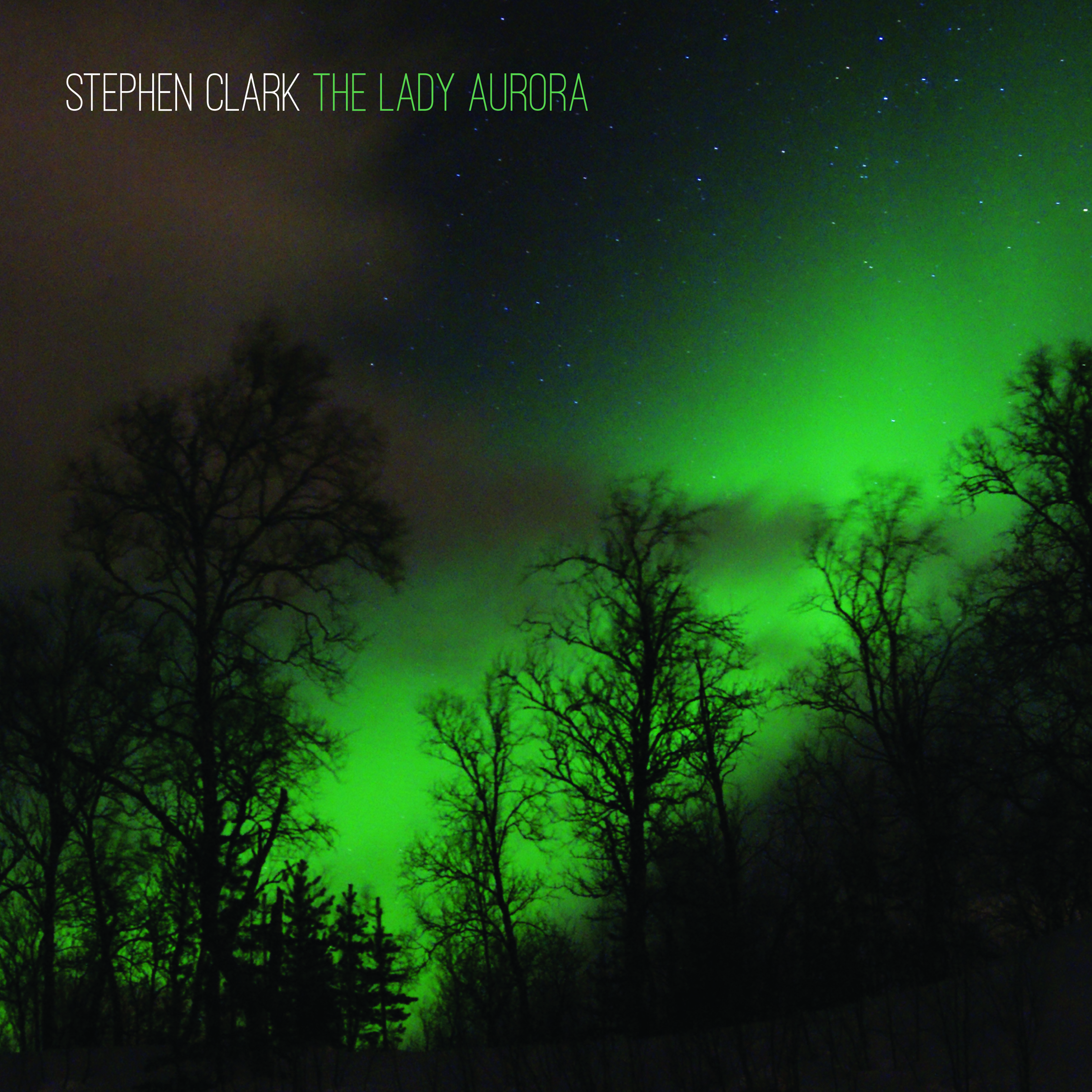
Featuring original compositions, some new arrangements of traditional tunes and a couple of reworkings of well-known covers this mainly instrumental album on the theme of nature is the solo debut from London-based acoustic guitarist, Stephen Clark.
Encompassing acoustic blues riffs, Appalachian mountain tunes, some Celtic influences and a 14th century Arabic love song, not to mention a touch of J.J. Cale and the Penguin Café Orchestra, The Lady Aurora is an aural delight.
On the live circuit Clark is one half of acoustic duo One Man Down, along with musical partner Jeff Porter who also plays on three of the album’s tracks. Clark’s musical influences range from Django Reinhardt, to John Martyn, Nick Drake, and Johnny Cash and, indeed, such influences and numerous others shine through on this album to create something satisfyingly original.
The evocative ‘Rising Tide’, with a melody that manages to convey both beauty and menace, was written at the time of the great floods of 2014 while a couple of tunes ‘Shimmering Light’ and the title track itself were inspired by a sightseeing trip to the Northern Lights. ‘Muddlin’ Through Boogaloo’, meanwhile, is a traditional blues groove with a hint of Latin. The Appalachian tunes include a lovely version of ‘Shady Grove’ that many will be familiar with as the melody that Fairport Convention recycled for their version of ‘Matty Groves’ on their seminal Liege and Lief album.
Acoustic blues junkies, die-hard folkies and, even though there’s only a couple of actual songs, followers of the acoustic singer-songwriter genre will all find plenty to like in this album. Stephen Clark is a nimble and talented player with a wide musical hinterland and a gift for evocative composition and arrangements The Lady Aurora is well worth exploring.
Following the release of his highly acclaimed new album ‘The Last Glam In Town’ I talk to former Glitter Band legend, John Rossall. Our chat covers glam rock, show bands, growing up in Blackpool and, of course, John’s new album and the prospect of touring again post-Covid.
The last glam in town – that’s quite a statement isn’t it?
People have their own perspectives and thoughts on it. I just wanted to do an album. I’ve not done one for years and years, well forty-odd years, of original songs. But, yeah, I think it’s a bit of a statement really.
It’s such an authentic sound on the album that really captures the original spirit of glam. What was the experience like in the studio, making a glam rock album in the 2020s rather than the 1970s?
Well, for a start in the 70s you were actually in the room with somebody. If anybody was going to record something, they actually came in the studio to do it. You couldn’t have a guitar player playing his part in, say, Berlin and the drummer drumming in Stockholm. That’s a change. That took me a while to get used to.
Clearly it worked! Did you find the technology helped you create that glam sound even though it was recorded in a completely different context?
In some ways it did. But you have to write the song first before you worry about the technology. But I knew what I wanted to do before I started recording. I wanted to update what we did – the Glitter sound, basically. I wanted to bring it right up to the twenty-first century. It’s not been played on radio stations for quite a long time and I kind of wanted to update it. Make the drums a bit more powerful and make one or two subtle changes. But the main ingredients of it, the original production – I wanted to keep some of that magic in it.
You must be very encouraged with the reviews so far?
Yes, I am. It’s like I’ve written them myself almost! It’s a surprise. The reviews everywhere – it’s been beyond my wildest dreams really.
Tell us about some of the people you collaborated with on the album.
I had a few people. Apart from my touring band – that was the basic bottom line – but I had different guests on different songs. For instance, Jon Robb from the Membranes, we got together. I wanted to take the Glitter thing to a bit of a dark side, an almost avant-garde thing. And I found that the most challenging thing, to update it in that way but keep the roots of it still there, you know. Also, I worked with Robert Lloyd from the Nightingales. I recorded three songs with him and also Mark Standby, who’s a long-time collaborator. He was in my band about twenty years ago. He lives in Berlin now. I got Bob Bradbury from Hello to write a song for me. I wanted him to do one where we produce a kind of tribal feel with the drums. And then I got Michael (Wikman) from Sweden who plays the drum track on that. Of course, not forgetting Alan Merrill from the Arrows who wrote ‘I Love Rock ‘n’ Roll’ who wrote a song for me (‘Equaliser’) not long before he passed away, a couple of months later.
That was written especially for you for this album, was it?
Yes. We knew each other quite well in the 70s, obviously. But you know, over the years you kind of lose touch, like you do. But in the last five years we reconnected and did about three short tours in the UK. And the magic – he was still the same guy. I really enjoyed the tours we did with him and it’s so sad he never got to hear the finished thing. He actually plays guitar and does backing vocals on there.
Some of the songs on the album are really personal to you, aren’t they, like ‘Blackpool Rocks’?
Well there’s quite a lot of songs about Blackpool that I learnt when I was growing up. Most of them by the great legend George Formby – ‘My Little Stick of Blackpool Rock’ and ‘Cleaning Windows’ and all that kind of thing. But I kind of wanted to do one that went over my childhood. I grew up in Blackpool. My dad was in quite a famous Blackpool band in the Empress Ballroom. He played there for twenty years and as a kid, aged about 10 or 11, I used to go down there about once a week. And I used to stand at the side of the stage. Of course, I liked swing bands when I was about 10, 11, 12. And because he worked at the Tower Company, Winter Gardens we used to get a lot of free tickets to the summer season shows. And the whole atmosphere of Blackpool in the 50s was amazing. And that’s what basically the song is about. My childhood, Blackpool in the summer and my dad, who was still my mentor, even after all these years. So that’s what that was about. I was quite happy when it was done although it was one of the hardest songs to write on the album, actually.
If we can now go back to the very early days of your career. You were leading the Boston Show Band in the late 60s and early 70s and they morphed into the Glitter Band. We tend to think of show bands as mainly an Irish thing, but you were an English band working in Germany, weren’t you?
My first professional job, earning a living, was in an Irish show band. And I lived in Ireland for a few years. And then I joined the Mike Leander Show Band, which was an eleven-piece band, back in 1965. We did an eleven-week tour, an old-fashioned kind of package tour with the Bachelors headlining and people like Susan Maughan. And then the band disbanded and I didn’t know what to do and I thought I’ll start my own band. And that’s what I did a few months after that. Got an act together, got some guys together and we went across to Germany in 1966 and we stayed there for about nearly six years. Of course, there were personnel changes, people leave, somebody wants to settle down and when they got home sick, they’d want to go back to the UK. But I enjoyed doing it. We worked together with Paul Raven (Gary Glitter) during that time. And we kind of split really beginning of 72. We were touring the UK quite heavily. And myself and Harvey Ellison, the other sax player in the band, we had laid some notes down on ‘Rock and Roll (Part 2)’ in December of 71 and we thought the record had fizzled out. Then I got a call from Mike Leander around about the beginning of June of 72. And he asked whether we’d like to re-acquaint ourselves and work with Paul Raven again with ‘Rock and Roll (Part 2)’. And I thought yeah, we’ll do that. We were doing quite well and had some records as the Boston Showband at that time and I did make it a condition – and I liked the idea of Mike Leander producing – I did make it a condition that we would get to do a record after a reasonable amount of time, which we did.
And how many albums did you do with the Glitter Band then?
I did two.
People wouldn’t necessarily think show band to glam rock as the obvious route. But there were parts of the show band sound that became an integral part of the Glitter Band sound weren’t there?
The main thing was that most bands and groups around, they were just guitars and drums and maybe keyboards. Not a lot of them had sax and brass so that was correct. And, of course, in my very early days as a teenager in Blackpool I was playing in brass bands. And ‘Angel Face’ that’s got a kind of brass band feel about it, with the drums and the way the brass section goes especially in the middle eight. Some of those ideas, of course are apparent on the new album. As I said, I only did two albums with the Glitter Band back in the 70s, but this album is kind of the album I missed out on – that I wanted to make. Because when I left, I felt I had unfinished business with the band. I wanted the band to do something in America. We’d done it in the UK and Europe but to me the job was only half done. And I left.
So, this album isn’t just a career renaissance for you it’s actually a career highlight in terms of albums then?
Yeah, it is. When I started making the album it never entered my head, I was going to make a 70s album or a glam album. It’s just me. I’m the guy who wrote those songs in the 70s. And I’m a lot older now and more mature obviously – I hope! And I write songs now. And it’s people who are listening who put you where they think you should be. And it wasn’t a nostalgic album either. I just wanted to make a brand new statement and update the Glitter sound and do some fun songs. And that’s what this is about – having fun really, nothing serious.
You left the Glitter Band in the mid-70s for a solo career. For those who are maybe not familiar with your career since then do you want to just briefly sum up what you did musically between the Glitter Band and now with this album?
Well I did a couple of singles which were quite decent, but I was quite unlucky actually. One was playlisted everywhere. A song called ‘It’s No Use You Telling Me No’ a song I did with Twentieth Century Fox. And lo and behold just as it was coming out, they decided to close their UK office down. And we tried to buy the master back to give it to another record company, but they wouldn’t let us have it. And I was quite disillusioned. Then I went to Sweden for quite a few years. I was relatively unknown there. I thought my music was done but after a couple of years it never really leaves you. And I got a band together – Swedish guys – with the idea of just playing a few gigs, getting together at the weekends just for a bit of fun. But then I started getting invitations to go to Germany playing festivals. Big festivals, a couple of trips to the UK and, of course, it like reawakens you – the hunger. So, we were touring, quite a bit and shows in the UK. Not with any original music just mainly the old hits. And about two years ago I thought it would be nice to go on tour, make a new album with some brand-new songs and that would give me something new and creative. Well, of course, I got the album bit done and I should be on tour really now but obviously I’m not.
Yes, that’s something that’s affected every musician.
That’s the luck again! It strikes!
So, what are your plans now this album is out and assuming at some point venues reopen and we can start seeing live gigs again?
Hopefully, we’ll still tour the album, albeit next March, April, May – whenever we’re allowed to and it’s safe to do so, of course. That’s my immediate plan. Of course, the album’s only been released a couple of weeks so it’s still early days for it. We’ll have to see how we go with the album, really, and then that will decide what I do. But if it remains the same as now, I’ll probably go out and promote the album and do some shows. I still enjoy playing live. It’s still a great feeling you know.
And still going out there playing music. You could be the Jerry Lee Lewis of glam rock. The last glam standing?
Yes well. If the cap fits, yes!
Anything else you want to say?
Well I just hope people give it a chance, give it a good listen to and go out and buy it obviously. And I hope I can perform it next year on some live shows. I know through social media that people really want me to tour the album and that’s what I’ll try to do. So, all I want to say is I hope everyone gets through this alright and we can carry on and life gets back to something a bit like more like normal for us all.
Thanks to Claire Moat and Anne Street for their assistance in arranging this interview.









 Darren's music blog