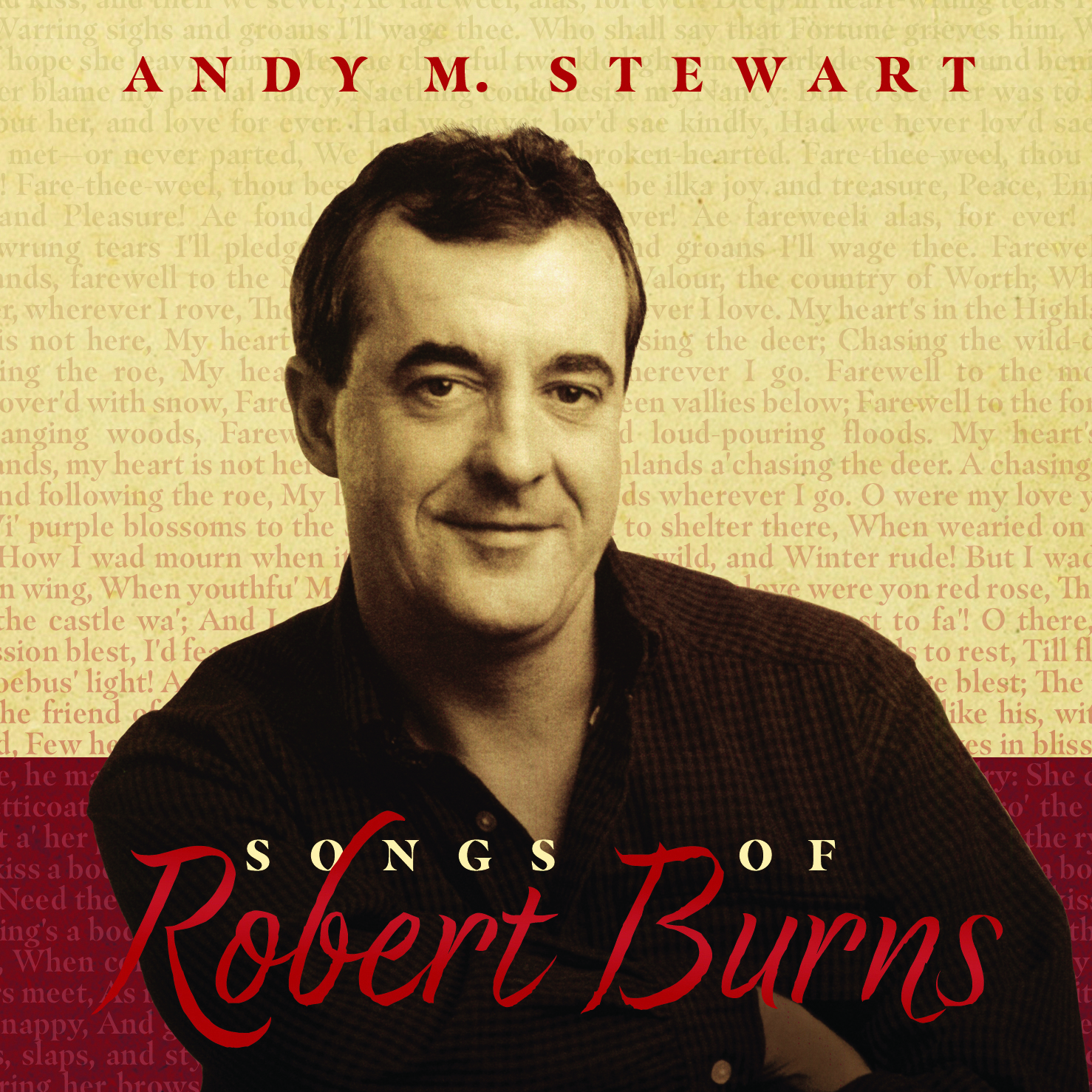
No, not the tartan-bedecked Andy Stewart of ‘Donald Where’s Your Troosers’ fame but Andy M. Stewart, former lead singer Scottish folk band, Silly Wizard, who went on to enjoy a successful solo career before succumbing to a tragic premature death in 2015.
A number of his self-penned songs have entered the folk canon and been widely performed by artists around the world but Stewart was also an adept interpreter of traditional material as well and was particularly fond of the work of Robert Burns.
Back in 1989, Stewart was approached by a German record label, Wundertute, to record an album of Burns’ songs. Accompanied by Mánus Lunny (guitar and bouzouki), Charlie McKerron (fiddle) and Donald Shaw (accordion and keyboards) the album proved to be a wonderful celebration of Scotland’s national bard but for one reason or another it suffered from a distinct lack of promotion at the time and failed to attract the attention it deserved. Now, almost four decades later, Stewart’s son, Donald, and his former Silly Wizard bandmate, Martin Hadden, have remastered the album and made it available through Hadden’s own Birnam CD enterprise.
This rediscovered lost gem is a genuinely delightful album. From the rousing rendition of ‘Rantin’ Rovin’ Robin’ which opens the album to the sombre beauty of ‘Green Grow the Rashes, O’ it’s a wonderful showcase for both Stewart’s extraordinary talent as an interpreter of traditional material and for Burns’ timeless genius as a poet and lyricist.
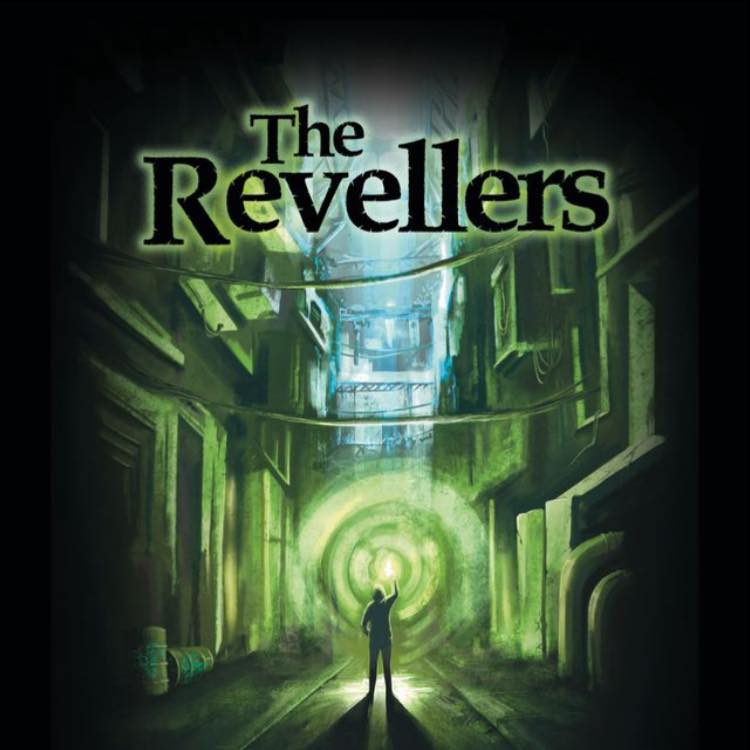
Following a gap of nine years since their previous release, popular Shetland indie folk rock band, The Revellers, are back with their third album, Reactors. The Revellers are Michael Anderson (lead guitar), Magnus Bradley (lead vocals, guitars), Daniel Gear (fiddle), John William Halcrow (drums, vocals), Erik Peterson (mandolin, vocals). Lewie Peterson (banjo, mandolin, tenor guitar, vocals) and Adam Priest (electric and double bass).
Often described as ‘heavy folk music’, The Revellers are seven musicians brought up on a typical millennial musical diet of alt rock, punk and metal that’s combined with a love and reverence for traditional music that’s an intrinsic part of any Shetland upbringing. The result is an explosive mix of soaring melodies, searing guitar riffs and energetic fiddle, mandolin and banjo.
From reflections on the challenges and contradictions of modern life (‘The Reflector’) to standing up for what’s right (‘Stand Up and Fight’) there are themes that wouldn’t be out of place on any typical indie rock album, but this being a band with traditional influences at its heart there’s also material like a reworking of Rhoda Butler’s poem ‘Clearances’ in the Shetland dialect and the song ‘Republic of Vinland’ which celebrates Shetland’s Norse heritage.
An album fizzing with energy and verve, it’s one that will appeal to ardent rock fans as much as dedicated folkies. Highly recommended.
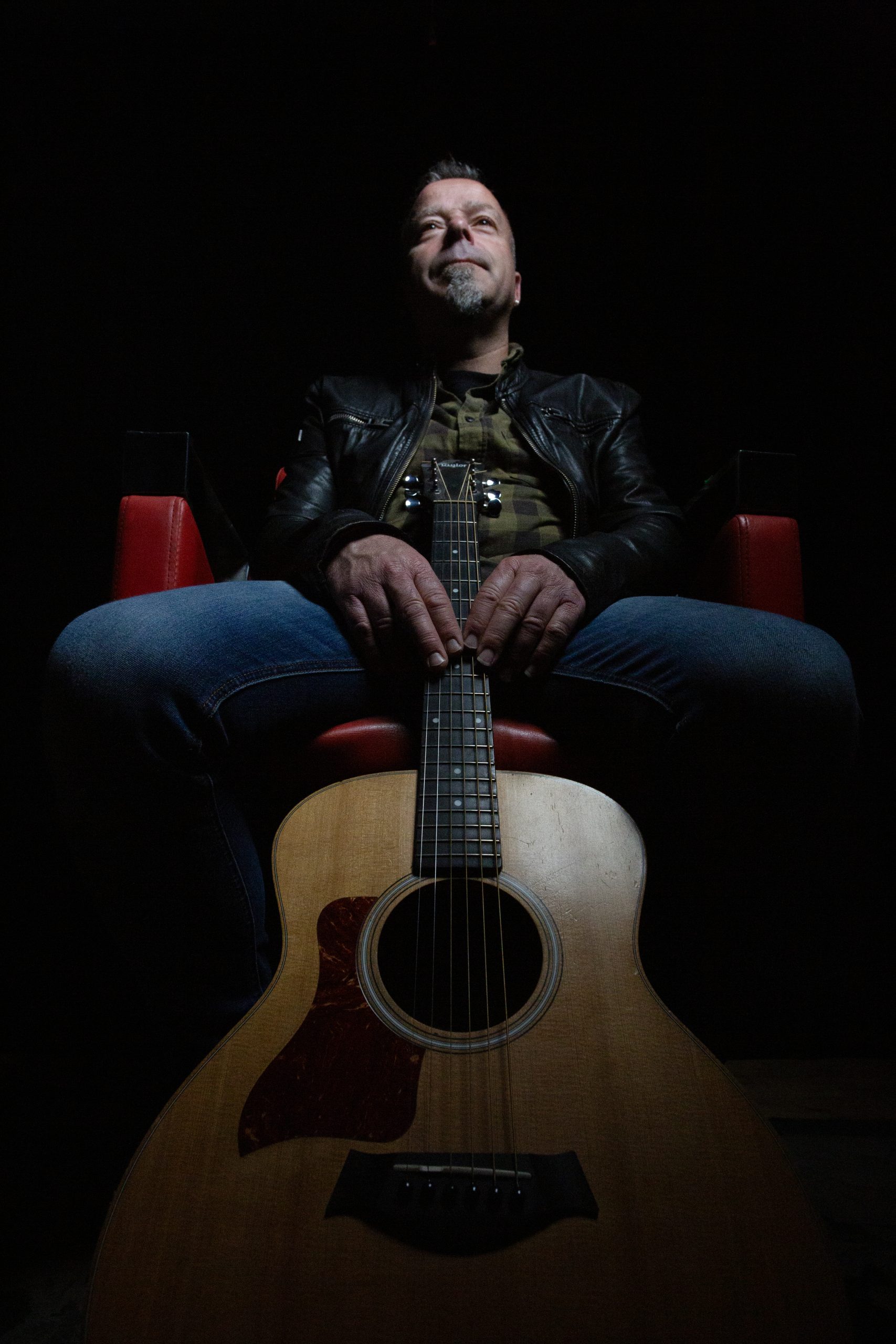
Stuart ‘Mick’ Macfarlane is a Scottish singer, songwriter and guitarist based in the Glasgow area. He has performed his folk-flavoured acoustic songs across Scotland, holding long-running residencies at venues including Jinty McGuinty’s in Glasgow and The Drovers Inn near Loch Lomond. Alongside his solo achievements, Macfarlane is a core creative force in Glasgow’s respected progressive rock band, Abel Ganz. His song ‘Thank You’, featuring special guest performances by Runrig’s Malcolm Jones and Fairport Convention’s Jerry Donahue on the group’s acclaimed self-titled album, has become an enduring live favourite among audiences.
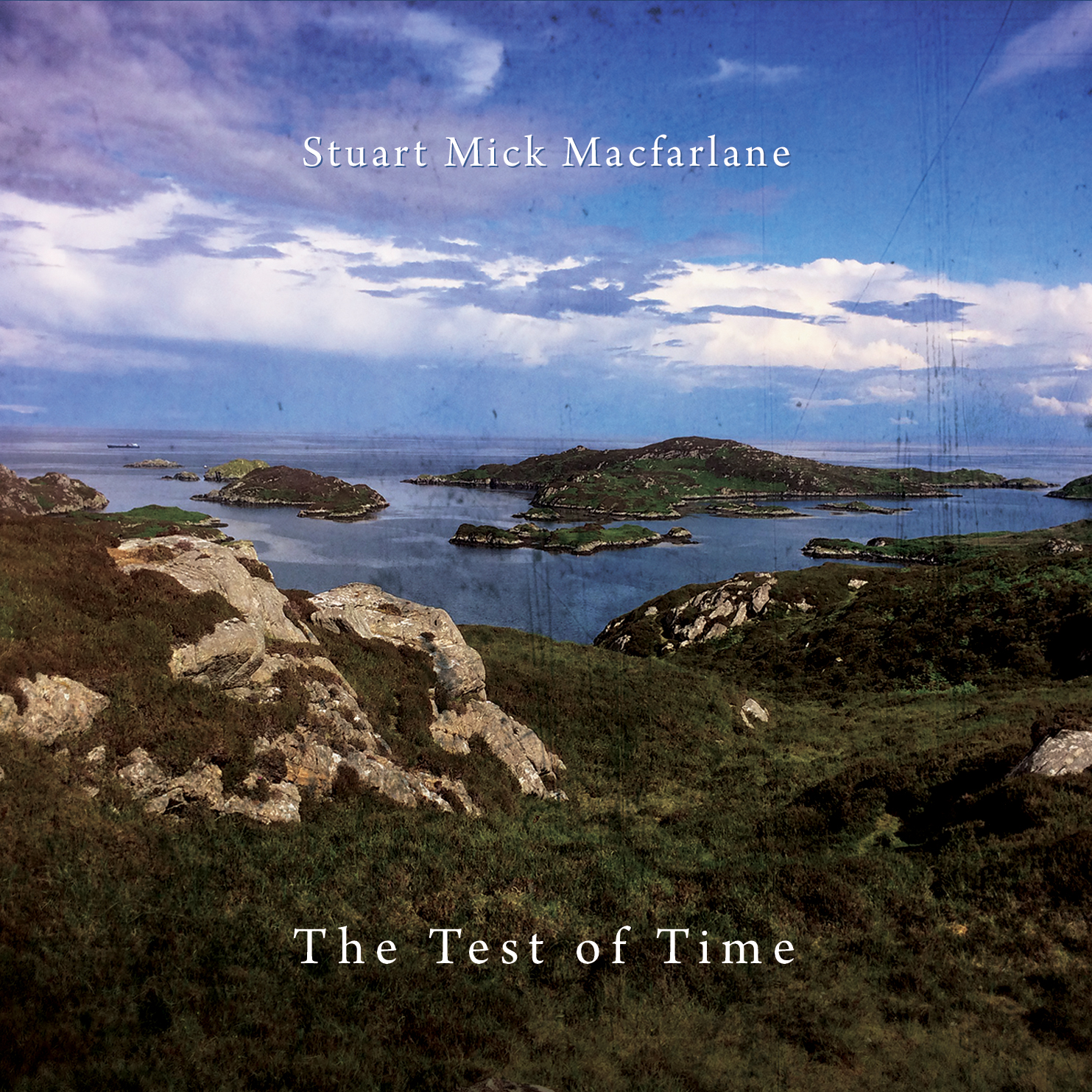
Although Macfarlane’s compositions have frequently been covered by other artists, The Test of Time is his first solo album to receive a commercial release.
Stuart ‘Mick’ Macfarlane: “These songs mean so much to me. I’m delighted this album is finally out. I hope they resonate with people on an emotional level, as they’re all honest and heartfelt pieces of music that I’m very proud of.”
The themes explored on the album range from the highly personal to themes around environmental degradation and homelessness, and draw on traditional Scottish folk, classic singer-songwriter and progressive rock influences.
Beautifully produced by long-time collaborator, Colin Johnson, at Glasgow’s Audio Lounge, the album features Macfalrlane on electric and acoustic guitars and vocals, Johnson on drums, Fiona Cuthill on fiddle, Stevie Lawrence on bouzouki and percussion, and a special guest vocal appearance from Macfarlane’s own daughter, Ceitidh, on the title track.
Showcasing some fine songwriting, lovely melodies and thought-provoking themes, The Test of Time is an engaging album that’s worth checking out.
The exotically-titled Metagama Ensemble take their name from the SS Metagama, a ship whose voyage across the Atlantic in the 1920s, marked the beginning of a mass emigration scheme from the Hebrides to Canada.
The Metagama Ensemble explain the aim of Metagama: An Atlantic Odyssey as follows:
“Movingly commemorating and celebrating the lives of the young emigrants, from the heartache of homesickness and separation, the emotional poignancy of tragedy and loss, to the lively fun of cèilidh tunes on the dance floors of North America, this album gives voice to the experiences of those who left and those who were left behind, telling the story of an important but little-known period in Hebridean history, the devastating impact of which is still felt in the islands today.”
Originally conceived as a live show, Atlantic Odyssey began life as a Creative Scotland-supported tour of the Highlands and Islands in 2023. Since then, the Metagama Ensemble project has grown exponentially. Interest in the project and the stories around the mass emigration, has been widespread, with capacity audiences throughout the tour, followed by a sell-out show at Celtic Connections in 2024.
Countless requests for a recording of the concert prompted the Ensemble to release an album. It was recorded in Black Bay Studio on Great Bernera and in The Wee Studio on the Isle of Lewis, while also including several live tracks from Celtic Connections and Eden Court Theatre.
Across thirty-six tracks, a mixture of traditional Gaelic songs, brand-new songs performed by the ensemble in English, original instrumental pieces and spoken-word segments, the album features writer and poet, Donald S Murray; pianist/singer-songwriter, Liza Mulholland; Gaelic actor and 7:84 Theatre Company co-founding performer, Dolina MacLennan; Gaelic singer and piper, Calum Alex Macmillan; fiddler, Charlie Mackerron; singer-songwriter, Willie Campbell; and cellist Christine Hanson.
Poignantly commemorating the lives of the Hebridean migrants and of those left behind, Metagama: An Atlantic Odyssey is a gripping collection of beautifully-performed music and compelling storytelling.
Two Boats Under the Moon is the solo song debut of Scottish musician and musical instrument inventor and builder, Donald WG Lindsay.
Writing in the accompanying album notes, the Scottish folk musician Alasdair Roberts observes:
“Donald WG Lindsay is rightly renowned as a piper of considerable skill, and many will be aware of his innovative work as the inventor of the novel extended-range chanter system which bears his name. However what many piping aficionados (as well as more general listeners) might not know is that he is also a very fine singer, guitarist and writer of songs.”
“It might seem confounding that it’s taken Donald until now, in his late forties, to release his first full-length album of songs (following the 2003 Album of pipe tunes To the Drum of the Sea). But he’s a careful, patient man; one surmises that he’s been quietly and diligently serving out a very thorough apprenticeship, emerging when he feels the time is right as a fully-formed master craftsman. And, as if making up for lost time, he’s generously bestowed upon the world a long-awaited double album, spanning some ninety-one minutes over fourteen tracks.”
Two Boats Under the Moon is a two-disc collection of 14 live-in-the-studio recordings, made during December 2024 at Watercolour Music in Ardgour, in the Scottish Highlands.Lindsay sings, plays guitar, and plays on his own Lindsay System Scottish smallpipes. Roo Geddes plays fiddle, and on three numbers, piano.
The first disc is themed as a disc of original songs, including ‘Casuarina’ inspired by the casuarina trees Lindsay encountered during his three-year stay on Ascension Island in the South Atlantic. They are also known as the whistling tree, after the distinctive shushing or whispering sound made by its pines when even a light breeze blows through them. The title track ‘Two Boats Under the Moon‘ is another song Lindsay wrote during his stay on Ascension Island. This first disc also includes a setting of a Scots poem by Vale of Leven poet Hugh Caldwell to an original tune he wrote a few years ago, and a rendition of a little-sung number by Allan Ramsay ‘An Thou Were My Ain Thing’.
The second disc is themed as a disc of traditional, mainly Scots, songs from a variety of sources and directions. These are songs that have held their seat in Lindsay’s repertoire for many years – in most cases for many decades. This second disc also includes two instrumental sets, pairing Roo’s fiddle with Donald’s Bb Lindsay System Scottish smallpipes.
Released back in May, the album has received numerous plaudits from reviewers as well as attracting warm reactions from fellow musicians as diverse as singer-songwriter, Tom Brosseau; piper and composer, Matthew Welch; and rock and roll legend, Iggy Pop.
With a voice rich in character, poignant songwriting and inspired interpretations of traditional material, Donald WG Lindsay’s Two Boats Under The Moon is a delightful album with beautifully-evocative musical accompaniment.
Travelling North is the debut album from this Edinburgh-based folk trio. Curmudgeon is made up of Donald Gorman, Laurie Brett, Donald Gorman and Andrew Macintyre
Donald Gorman is a highly rated Edinburgh-based fiddle player specialising in traditional Scottish music. He also plays mandola and adds accompanying vocals on the album.
Laurie Brett, meanwhile, is the band’s lead singer and guitarist and although originally from Essex, he’s spent the last four decades based in Scotland.
The third member of the trio, Andrew Macintyre, is a familiar figure on the Edinburgh folk session scene and a teacher of small pipes and highland pipes. In the band he plays Scottish small pipes and various whistles as well as providing vocals.
Photo: Caitlynn Neil
The ten-track album features five songs interspersed with five tune-sets. The songs are drawn from the trad. arr. canon with a couple of contemporary folk-scene favourites thrown in, including a reworking of the Richard Thompson classic ‘Beeswing’. Meanwhile the tune-sets feature a charming array of traditional jigs, airs, reels and hornpipes originating from Scotland and the north of England.
There’s a quiet, gentle dignity about the trio’s music but no shortage of creativity. The arrangements are built around the wonderful musical interplay between the three musicians. The warm, engaging vocals of both Brett and Macintyre bring empathy and sincerity to the storytelling in each of the songs and informative liner-notes provide insightful background information on the origins of each of the compositions.
Regardless of the name, it’s clear the trio have been anything but curmudgeonly in the way they’ve approached the making of Travelling North. A lovely debut.
Growing up in Glasgow, Frances Morton is a much celebrated flute-player with familial roots in both Scotland and Ireland. Learning piano at a young age, she later took up whistle and flute, winning several All-Ireland medals and becoming immersed in the session scenes in both Scotland and Ireland.
Since then, Morton has performed at festivals and concerts across Europe and the USA and has appeared in programmes for the BBC and TG4. Now living in Ireland, she has been active in the session scenes in Belfast, Galway and Donegal, playing alongside local musicians.
Sliocht is Morton’s debut solo album. Meaning ‘trace’ or ‘lineage’, it celebrates Morton’s Scottish and Irish musical heritage where, from her extensive repertoire, she has curated a selection of jigs, reels, strathspeys and marches that have held a particular meaning for her throughout her life, all accompanied by an extensive set of liner notes, tracing the origins of the traditional tunes and explaining where she first learned them.
Produced by guitarist, Eamon McElholm, the album features a number of the top-flight traditional musicians Morton has collaborated with over the years, including fiddle-player, Ciarán Tourish; singer, Doimnic Mac Giolla Bhríde, on the one vocal track; Mark Maguire and Seamus O’Kane playing bodhrán on several tracks; and Ryan O’Donnell and Malcolm Stitt on bouzouki. Julie Langan, fiddle player from Mayo, also plays on one track.
From lively jigs to mighty reels to graceful airs, this album is packed full of majestic tunes and equally majestic playing, immediately transporting the listener from wherever they may be to the bars, community halls and timeless rugged landscapes of Scotland and Ireland. Dedicated to the memory of her late father, Sliocht celebrates Frances Morton’s musical heritage in style and does her forebears proud.
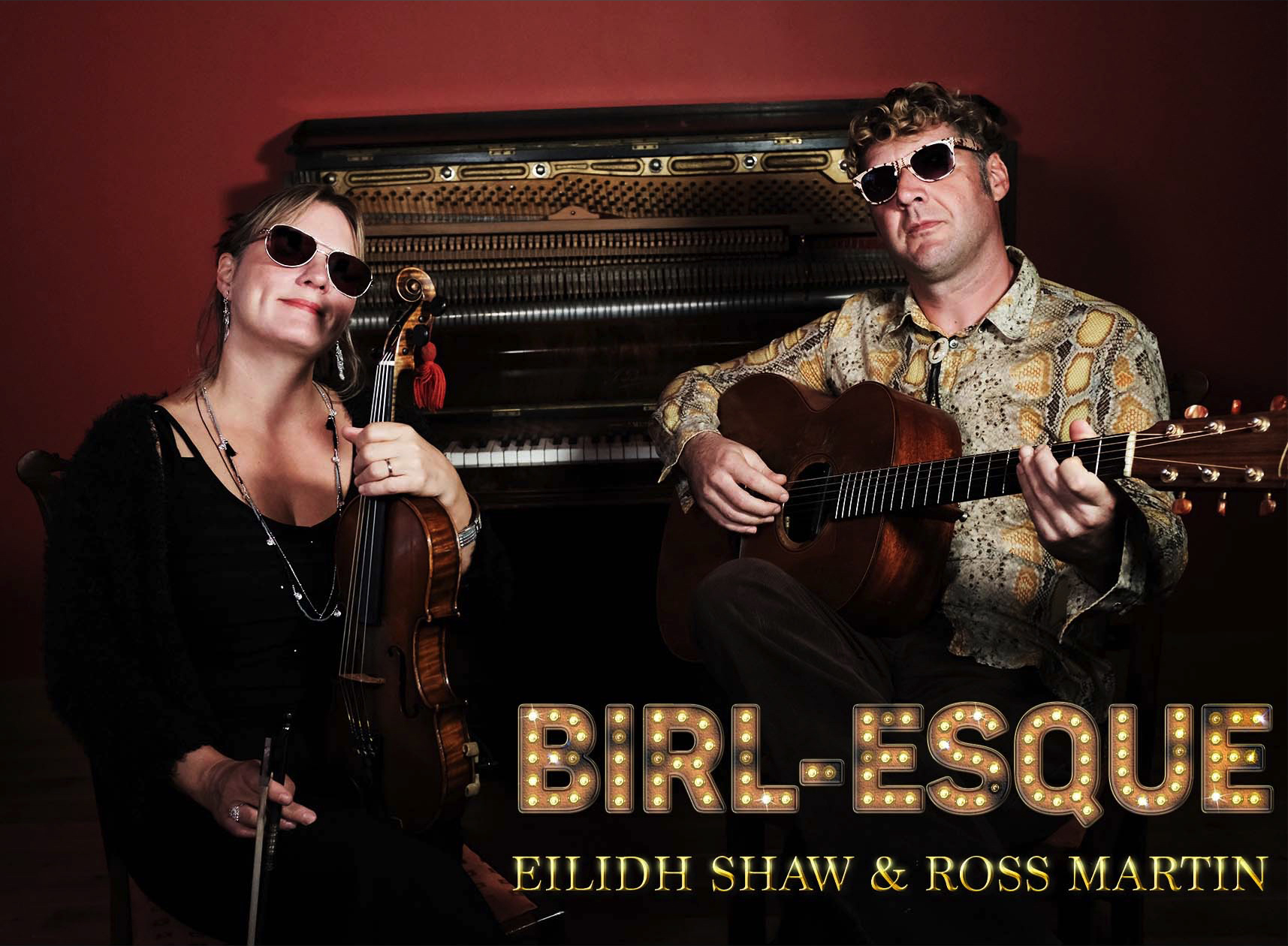
Eilidh Shaw (fiddle and vocals) and Ross Martin (guitar) are best known for their work with two leading Scottish traditional bands. Shaw for her work with The Poozies and Martin with Daimh. Between them they have spent over two decades touring with both their own bands and as guest artists with an vast array of top performers, including Julie Fowlis, Bonnie Prince Billy, Tony Christie and Arnaud Ciapolino.
Performing under the name Birl-Esque, Stay Here All Night is their second album as a duo. Born out of the long musical winter of lockdowns and cancelled gigs, the obvious choice faced by many couples was to either order another case of wine or build a home studio. Eilidh Shaw and Ross Martin did both of these things. The resulting album is a festival of creativity, full of the style and character that the duo has become known for.
Eilidh Shaw’s fiddle takes the lead on the instrumentals, such as ‘Swimmy Tunes’ above. The duo comment: “Two tunes written by Eilidh after a glorious west coast summer swimming in the sea around Arisaig. No swimming in this video as, although still very beautiful, it was a very cold day in January. The beautiful islands of Eigg and a snow-capped Rum in the background.”
New compositions such as this sit alongside old Highland classics like the ‘Thief of Lochaber’ and ‘Paddy’s Waltzes’, a set of Gaelic waltzes taken from her father’s home-made music book.
The four songs on the album include covers of contemporary Scottish writers such as ‘Stoned Again’ by Sandy Wright and ‘Better Off Dead’ by Willie MacAskill while the title track ‘Stay Here All Night’ showcases Shaw’s own songwriting.
Ross Martin’s consummate guitar arrangements tie the album together while the whole project is further decorated by a star-studded list of guest musicians that happened to be either passing the duo’s Highland home in Morar or had made the same decision during the dark days of covid and contributed from their own home studios.
With a combined total of 74 years of gigging experience and over 100 album appearances between them this dazzling duo seamlessly blur the lines between the traditional and the contemporary with a uniquely mischievous style.
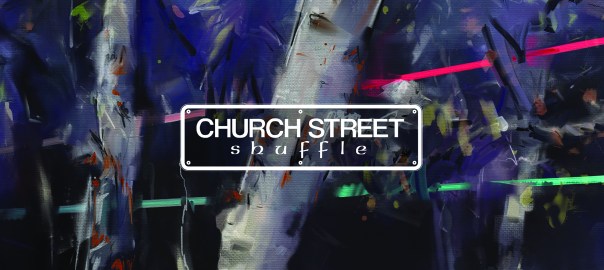
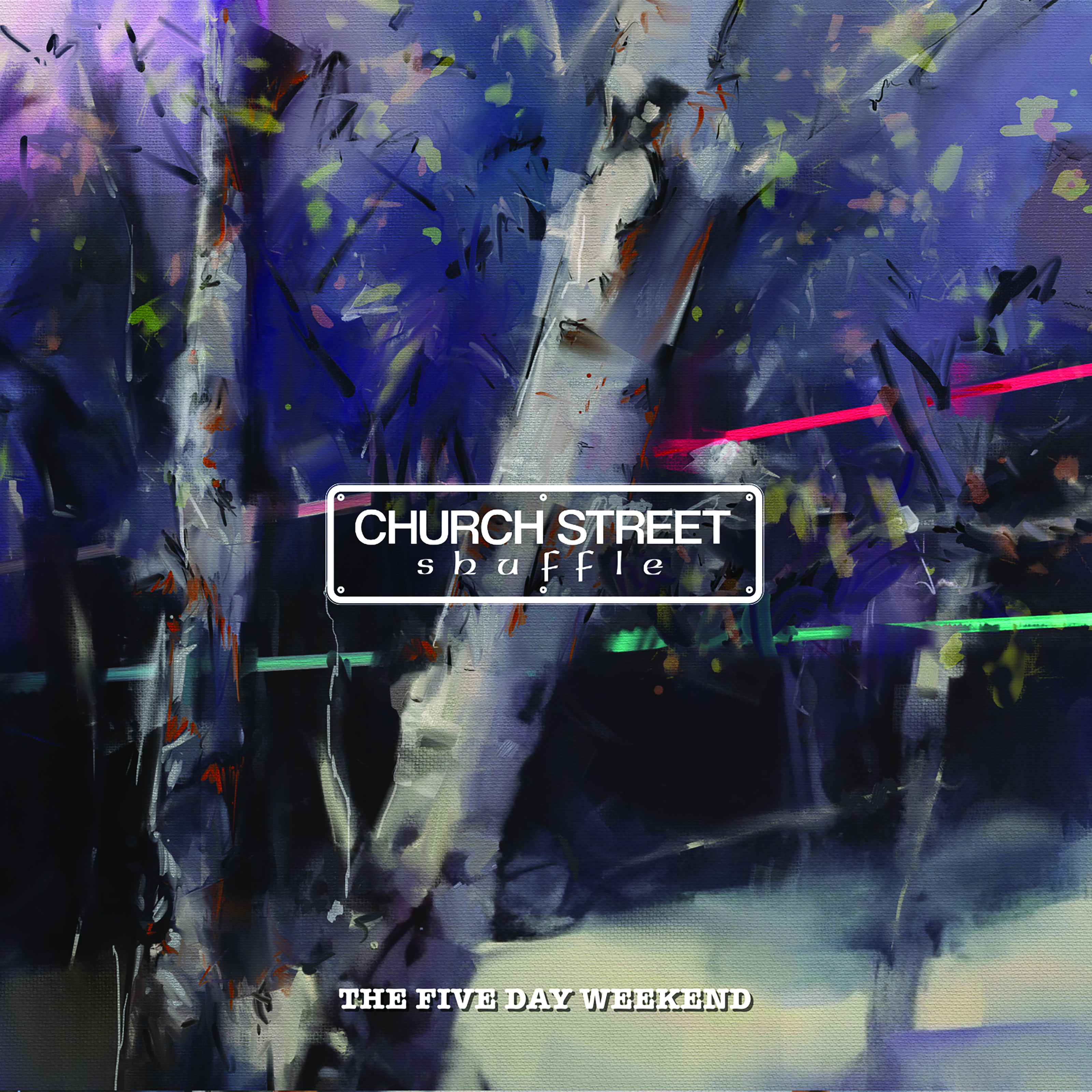
A contemporary Scottish fiddle and guitar duo featuring fiddle player, Neil Ewart, and guitarist, Ali MacQuarrie, the pair came into one another’s orbit through the bustling live music scene in Inverness and the band’s name pays homage to that, where it’s not unknown for in-demand musicians to play up to three venues in one night, shuffling up and down the city’s Church Street as they do so.
Church Street Shuffle:“Recognizing a shared vision, they embarked on a collaborative effort to blend Neil’s multilayered fiddle loops and chops with Ali’s intricate guitar work, bass lines, and beats. Despite their modern approach, they remained steadfast in honouring the timeless traditions of Scottish music, infusing each track with authenticity and reverence.”
The inspiration for the album’s name, meanwhile, harks back to an old expression about a musician’s typical lifestyle during the winter months, where the weekends would extend beyond the conventional working week.
Neil Ewart’s musical journey began at the National Centre for Excellence in Plockton, where he honed his skills before pursuing a degree in Applied Music at Strathclyde University. His innovative and daring compositions are deeply entrenched in the rich heritage of Scotland’s west coast. Echoing the creative spirit of pipers from centuries past who improvised variations on Gaelic airs, Neil breathes new life into the genre by infusing it with contemporary harmonic structures and rhythmic complexities.
Ali MacQuarrie’s masterful guitar playing and infectious grooves, meanwhile, are also a key feature of each track. He continues to refine his craft at the Royal Conservatoire in Glasgow, enriching his musical repertoire with classical training. His reputation as a sought-after guitarist in the Highlands continues to soar, which has seen him share stages with acts such as Calum MacPhail and Cala.
Recording the album, the pair joined up with established recording engineer and producer, Barry Reid, who also plays synths and percussion.
A contemporary and fresh-sounding take on Scottish traditional music, the duo have created an instrumental album that’s both fizzing with innovation yet also feels like the warm embrace a familiar old friend. The Five Day Weekend is an impressive debut.
I first came across Jack Rutter when three precociously-talented but slightly nervous teenagers took the stage at Fairport’s Cropredy festival back in 2011 as that year’s BBC Young Folk Awards winners as the trio Moore Moss Rutter. Since that time, Rutter has made a major mark on the UK folk scene. As well as periodic albums with Moore Moss Rutter, there have been collaborations with the likes of Sam Sweeney, Seth Lakeman and Molly Evans, plus his own solo career.
Jack Rutter:“Folk songs and music captivate me and make me happy. This album is a love letter to the music and the whole folk scene that has been a constant in my life and so many other lives down the generations and I hope it stirs something back into the big folk melting pot.”
The third in a trilogy exploring British folk songs and featuring nine songs in the trad. arr. cannon, this latest offering is yet further evidence of Jack Rutter’s growing stature as a performer. Now un-disputably, one of the finest singers and interpreters of traditional material on the UK folk scene today, This Is Something Constant is a truly excellent album from Jack Rutter.
Hot on the heels of What Are We Trying To Say, released back in March of this year, husband-and-wife duo, Stu and Debbie Hann, have another new album out, this time in collaboration with playwright, Kieran Knowles. Described as a “play with songs” The Herald began life as a short UK tour telling the story of a small-town local journalist, with Knowles providing the spoken-word parts and Megson delivering the songs. Following the success of the tour, the three teamed up once more to produce an audio recording of the show.
Megson: “It has been a fascinating process to take part in and observe the many parallels between scriptwriting and songwriting. The outcome of the project is something we are immensely proud of.”
Linking the songs, Knowles delivers a well-written and convincing narrative that serves as a worthy tribute to the finest traditions of local journalism: holding those in power to account, giving a voice to the local community and standing up against injustice. And what superb songs and superb storytelling we have from Megson here, some of which will surely develop a life of their own outside the format of this particular project.
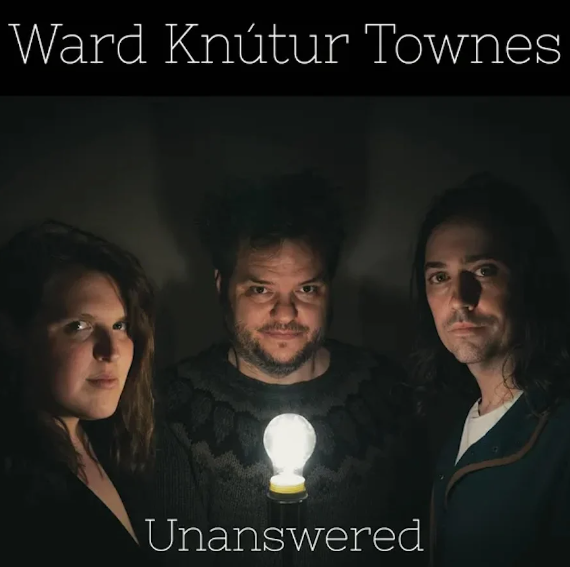
Picking up best newcomer award at the BBC Folk Awards back in 2012, Lucy Ward went on to have an impactful career on the UK folk scene but things have been rather quieter in recent years as her attention has turned to her family. Unanswered is actually her first new album to be released in five years and she’s teamed up with fellow singer-songwriters, Svavar Knútur from Iceland and Adyn Townes from Canada.
Lucy Ward:“It’s the true story of an old telephone, clearly disconnected for many years, that still sometimes rings… though no-one ever dares to answer to the ghostly caller.”
A multi-national collaboration borne out of lockdown and two years of Zoom exchanges and finally recorded at a remote location on Iceland’s northern coast, the album brings together three performers with their own unique styles to create an innovative slice of contemporary indie-folk. Stark and melancholy as befits the subject matter, there’s an intimacy and a tenderness to the songs on this album, the three contrasting voices melding with some incredible musicianship to produce something memorable and highly creative.
Notching up ten years and five albums together, The Colour Of The Night is the latest from Ninebarrow, the duo of Jon Whitley and Jay LaBouchardiere. It follows the excellent A Pocket Full Of Acorns, released in March 2021 just as the UK was heading into lockdown.
Jon Whitley:“The world has certainly felt a bit topsy-turvy since our last album but we are lucky to have received wonderful support that kept our spirits high – some of the songs here reflect that sentiment.”
The Colour of Night comprises five original songs and one instrumental piece, alongside several covers, an adaption of a Victorian poem and one traditional song. The duo’s signature vocal harmonies are set against the lush instrumentation of cellist, Lee MacKenzie, double-bassist, John Parker and percussionist, Evan Carson, alongside the duo themselves on piano, mandola and reed organ. A beautifully-uplifting album, Ninebarrow once again deliver their trademark folk magic.
An award-winning Uilleann Piper, flautist and composer, Calum Stewart has chalked up an impressive musical cv working with the likes The London Philharmonic Orchestra, The London Symphony Orchestra, BBC Scottish Symphony Orchestra, Julie Fowlis and Nitin Sawhney, in addition to pursuing his solo career. His most recent albums; True North (2023) and Tales from the North (2017) bring together traditional melodies and lyrical compositions, inspired by the landscape and heritage of the north of Scotland.
Calum Stuart:“Through this collection of music, I aim to pay tribute to the traditional tunes that have stood the test of time, while also expressing my personal connection with the north of Scotland through self-penned tracks. The songs reflect the memories, experiences, and encounters I’ve had in this captivating region.”
Featuring five traditional tunes and five new compositions from Calum Stuart, there’s a vibrancy and a freshness about True North which makes for an exhilarating celebration of Scottish traditional music and the timeless beauty of the Uilleann pipes.










 Darren's music blog