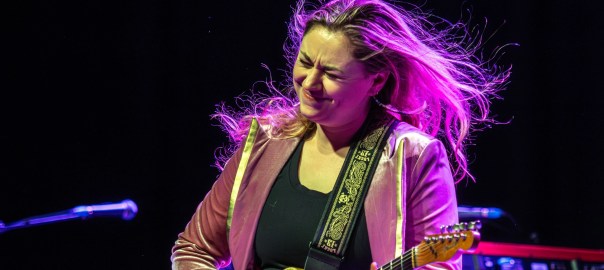
“I’m a blues guitarist but not necessarily a blues artist,”Joanne Shaw Taylor confides in the De La Warr audience at one point in the set, explaining her desire not to be boxed in too much by the constraints of genre labels. And that pretty much sums up her whole approach on stage tonight. From the pounding rhythm and blues of show-opener ‘In The Mood’ to the heart-wrenching classic blues of the Albert King cover ‘Can’t You See What You’re Doing To Me’, to the polished pop-rock of recent single ‘Wild Love’ to the elongated ‘60s-style freak-out of ‘Watch Em Burn’ to the funky licks of ‘Diamonds In The Dirt’ to the mellow, acoustic beauty of ‘Fade Away’ we get a taste of many things tonight.
Photo credit: Marty Moffatt
At the heart of it all is the incredible talent of Joanne Shaw Taylor, her soulful voice and great song-writing much in evidence, alongside her much-praised guitar wizardry. Discovered and mentored by The Eurythmics’ Dave Stewart at just 16, she has uncanny ability to harness the passion, raw emotion, and sheer exhilaration that great blues guitar-playing can engender and then take that and place it in pretty much any setting.
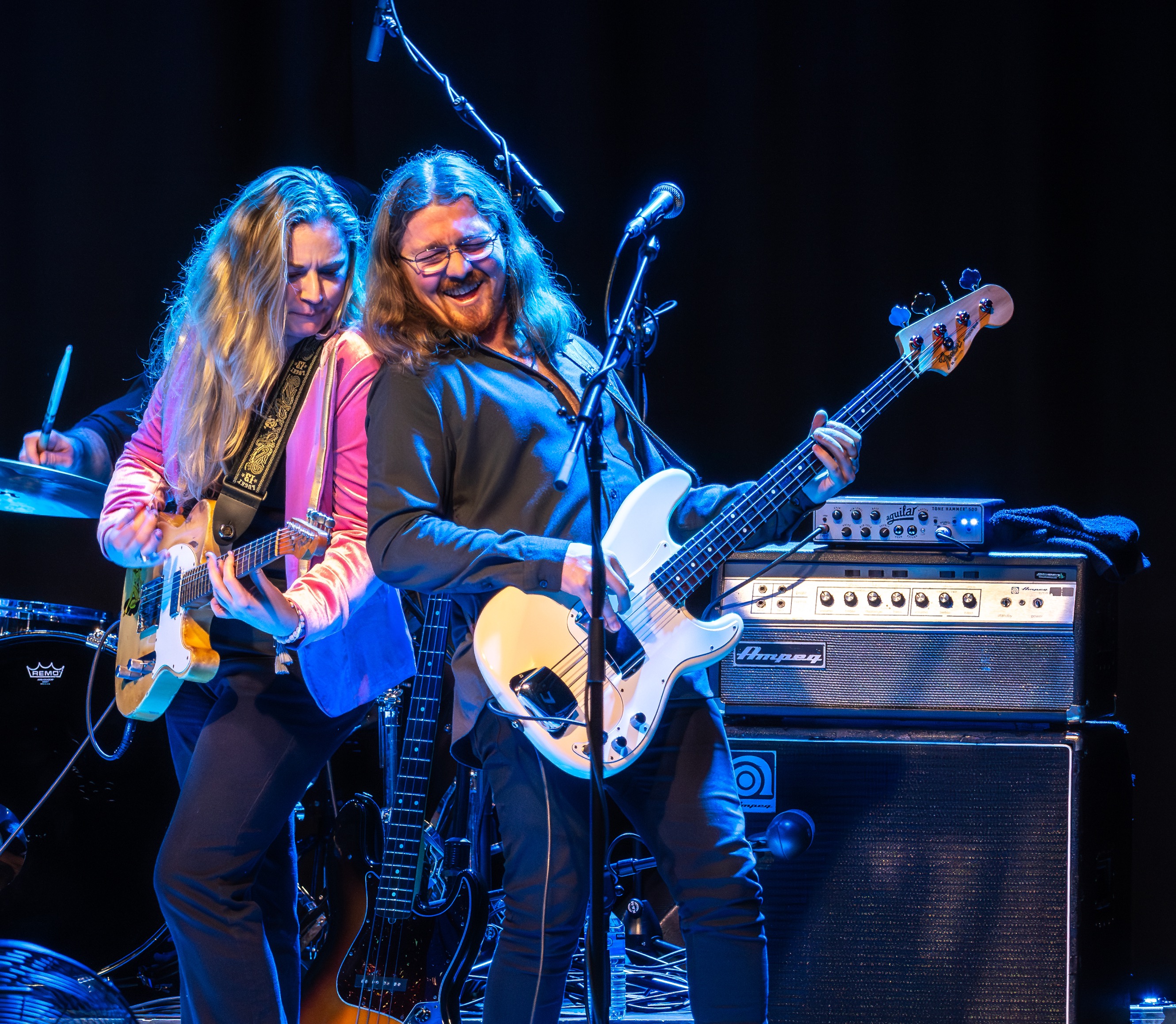
And the results are spectacular – with a packed-out De La Warr Pavilion showing its appreciation throughout. Shaw Taylor is ably assisted, of course, by a hugely-talented band (Shane Sanders – bass, Joey Spina – second guitar, Eric Savage – drums, and Phil Whitfield – keyboards). Whitfield, in particular is a delight to watch, taking us from lush, exquisite, soulful keys to pounding, energetic honky-tonk piano during the course of tonight’s show.
Photo credit: Marty Moffatt
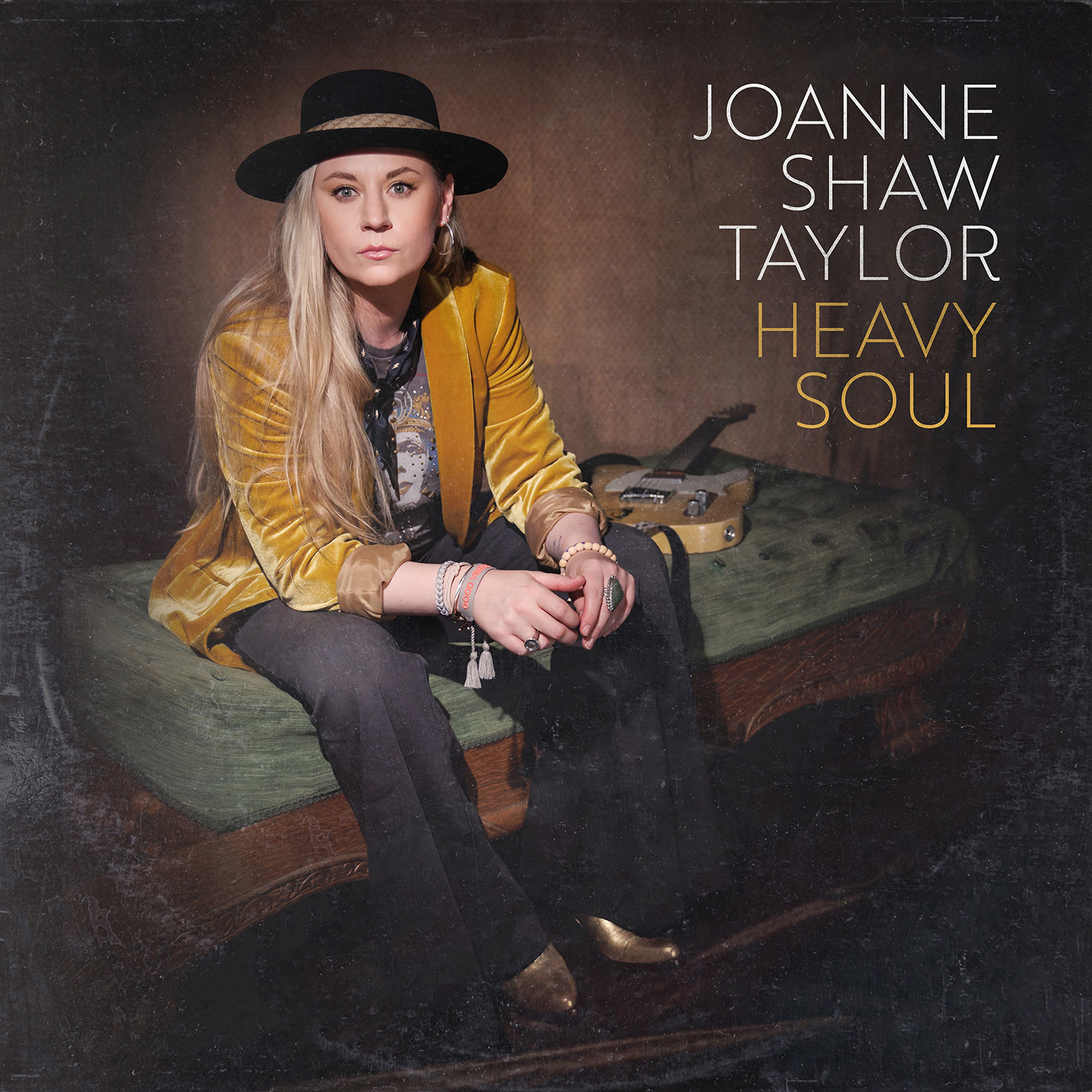
With an eagerly-anticipated new album coming out in June we get a taste of what’s to come via a couple of songs tonight (‘Sweet ‘Lil Lies’ and ‘Wild Love’) alongside more established favourites from her, by now, extensive back catalogue.Heavy Soulwill be Shaw Taylor’s twelfth album since her 2009 debut, White Sugar and tonight’s show is proof as to just how much she’s established herself as blues rock royalty these past fifteen years. An absolute masterclass of a performance.
Heavy Soul is released 7th June 2024. For Joanne Shaw Taylor website visit here
Set-list:
In the Mood
Keep On Lovin’ Me
All My Love
If You Gotta Make a Fool of Somebody
Can’t You See What You’re Doing to Me
Dyin’ to Know
Wild Love
Won’t Be Fooled Again
Watch ’em Burn
Diamonds in the Dirt
Fade Away
Runaway
Sweet Lil Lies
Bad Blood
Going Home
Connor Selby – support
A shout-out, also, for the young blues-roots, guitarist singer-songwriter, Connor Selby, the one-man support act for this tour. The polite, well-mannered introductions to his songs belie a vocal delivery of real depth and grit, some nifty blues guitar work and some impassioned song-writing. Definitely one to be added to my ones-to-watch list, he entertained with a highly enjoyable set in his allotted 30-minute slot.
Well it’s not every day you get to the chance to see Steve Harris from Iron Maiden performing in a small upstairs venue above a bar on a wet Tuesday night in Hastings. But it seemed like an extremely promising choice for my first gig of 2024. Strictly speaking, it was actually my first ticketed gig of the year because I did see the impressive Lost Asylum in the Carlisle (Hastings’ main rock pub) a few nights back.
Blackbox is a great small venue but it can sometimes take quite a while to fill up. Not tonight though, as the place is completely packed-out as I walk in and the support act has already just taken the stage. Multi-instrumentalist and singer-song-writer, Tony Moore, was very briefly in an early line-up of the fledgling Iron Maiden but remained friends with Steve Harris over the years which landed him the support slot. He tells the crowd that as a kid he got to see Pink Floyd, Jethro Tull and Ziggy Stardust. And he ended up wanting to be all of them. His multi-media one-man show ‘Awake’ is a flamboyantly bombastic mix of prog-meets-glam-meets-rock-opera. It’s slightly bonkers and absolutely glorious. Hugely entertaining, moving and packed full of great songs, it was not what I was expecting at all as the opener tonight but I’ve definitely added Tony Moore to my list of people worth seeing again.
I’d long been aware of British Lion, Steve Harris’s side-project which originally started out as a solo album and then evolved into a fully-fledged touring band . But in terms of actually seeing them live or hearing either of their two albums they had completely escaped me. I turned up, therefore, without any familiarity with the material and with a completely open mind about what to expect.
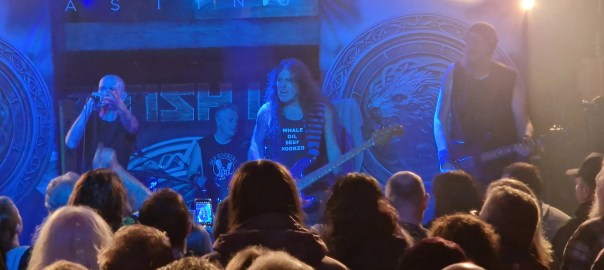
It is said that Harris formed the band as both an opportunity to pursue different writing styles, away from the Maiden-esque long epics, and also to get up close and personal with audiences playing the small, sweaty clubs. I’m completely won over a few seconds into the first song and although British Lion is obviously a very different beast to Iron Maiden, they do come across as being very much a Steve Harris vision of what a successful rock band should be about. And that is meant as a compliment. There’s some real power-house rhythm, front and centre of the band’s sound, a great collection of songs with some shit-hot memorable melodies and while it’s all done on a miniscule scale compared to Maiden, the whole thing just oozes energy and charisma.
The band themselves (Richard Taylor – lead vocals, David Hawkins and Grahame Leslie – guitars and Simon Dawson – drums, alongside Harris on bass) work great together. This looks and feels like a proper band not just an occasional side project and the crowd clearly contains many dedicated British Lion fans, not simply Iron Maiden fans wanting to get a glimpse of Harris in the flesh. Every song from across the band’s two albums (plus a couple of newbies) is greeted like an old friend and I came away thinking I had some catching up to do. The merch desk didn’t seem to have any CDs for sale and Amazon drew a complete blank as well but I’ve just ordered their first album off ebay. I have got some serious catching up to do. British Lion are superb!
Blackbox on the main thoroughfare in the heart of Hastings Old Town is proving to be a superb small music venue for the town. It is pretty much what the name suggests, a 200+ capacity oblong room with the stage across the front, the bar across the back and, unlike many small venues inhabiting reconfigured old buildings, there are no awkwardly-placed pillars or over-congested bars getting in the way of sightlines. Black Box is fast-developing a reputation for pulling in some pretty big-name acts, too. They’ve recently welcomed both Mike Peters from the Alarm and Mark Chadwick from the Levellers and in January they are due to host British Lion, the side-project of Iron Maiden’s Steve Harris. Tonight it’s the turn of New Wave Of British Heavy Metal legends, Praying Mantis, who are supported by another veteran name of the era, Tytan.
Tytan were the band put together by Angelwitch bassist, Kevin Ruddles, on the demise of the original Angelwitch in the early ’80s. That band also fell apart after a couple of years, although their debut album was eventually released in 1985. Then in 2016 Ruddles reformed Tytan – now fronted by the impressive Tony Coldham who possesses a fantastic rock voice with a great vocal range. Providing top-notch support, Tytan deliver a superb slice of powerful but melodic early 80s heavy metal, performing songs from both their original 1985 album, Rough Justice, and its Iong-awaited 2017 follow-up, Justice Served. I was impressed enough to pick up a copy of the former from the merch desk and would certainly enjoy seeing this band again.
Unlike Tytan, Praying Mantis are a band I have seen live on several occasions in recent years, courtesy of numerous retro-themed hard rock and heavy metal weekends. Although not quite as chequered as the aforementioned Tytan, like many still-touring bands of the original NWOBHM era, Praying Mantis have still have something of a chequered past with various changes in personnel and a long hiatus throughout most of the ‘80s. For the past decade, however, the band’s line-up has been entirely stable with Dutch lead vocalist, John Cuijpers, fronting the band; alongside guitarist Andy Burgess, drummer Hans in’t Zandt and the ever-present Troy brothers, Tino on guitar and Chris on bass. As he alluded to on stage, Tino Troy has recently moved to Hastings which definitely assured him an extra warm welcome tonight. Not exactly a home-coming gig it was more of a housewarming party.
Few bands of the NWOBHM era are able to combine machine-gun heaviness with finely-polished melodiousness quite like Praying Mantis and tonight was no exception. It’s a superb set and the quality of material the band continues to release these days means that they are not simply reliant on old stage favourites – with the eponymously named ‘Praying Mantis’ and the ecologically-themed ‘Children Of The Earth’ from the band’s early days, appearing alongside the excellent ‘Cry For The Nations’ from the band’s 2022 album and other newer material.
An excellent night of old-school heavy metal in a superb local venue.
Straddling the territory between indie, alt-rock and psychedelia The Clocks are a three-piece outfit from down here on the Sussex coast in Hastings. Formed in 2018, they are: George Bond (guitar/lead vocals), Adam McSweeney (bass/backing vocals) and Garry Alexander (drums).
As well as picking up a growing number of followers on the local live circuit, there has also been a flurry of recording activity over the past eighteen months. Initially releasing several singles independently, the band then signed with local label, Frontier Music. More releases soon followed, such as recent single ‘The Conversation’ which came out back in the summer.
The Clocks:“This track is more than music – it’s a conversation between the instruments and your soul. Let the waves of sound wash over you and take you on a musical adventure like no other.”
‘The Conversation’ is one of eight tracks that appears on the band’s long-awaited and newly-released debut album Road To Ascension which came out on 27th October.
From Cream to the Jimi Hendrix Experience to Grand Funk Railroad, the classic power trio line-up of bass-drums-guitar remained a key fixture of the psychedelic era. The Clocks remain true to that tradition. And while there’s more than a nod to rock’s illustrious heritage in The Clock’s sonic template – from the early ’60s beat boom to the late 60s psychedelic ‘era and beyond – the band also have their feet planted firmly in the present. More contemporary indie-rock influences are also very apparent, too. It’s an appealing mix and makes for an impressive debut and one that is likely to enhance the band’s reputation and and win them over plenty of new fans.
Available on all the main digital platforms you can check out Road To Ascension here:
Kevin Armstrong has played alongside icons like David Bowie, Iggy Pop, Thomas Dolby, Sinéad O’Connor and many others. We catch up to talk about his forthcoming autobiography Absolute Beginner which comes out on 17th October; as well as the Lust For Life project which has brought together the likes of Clem Burke, Glen Matlock and Katie Puckrik to celebrate the classic Iggy album; plus our mutual love of the live music scene down here in Hastings.
When did the idea for the autobiography first come about? Was it a covid lockdown project for you or did it begin well before that?
No, it began well before that. It was after David Bowie died. Because I was in the middle of my late-blossoming run with Iggy Pop in 2014-19. I was like two years into that and I was half-expecting to see Bowie again at some point. I hadn’t seen him for twenty years but I was half-expecting to see him again just because him and Iggy are good friends and he would quite likely turn up in the old days back-stage and come and visit us or take us out for a meal or whatever. So I did expect to see him again. When he died, it was quite a shocker and so at that point I thought, well it’s time to tell the story now. I’m back with Iggy for a second time, David’s just died and these are giants of music and it just made me think, well they’re all disappearing and soon I’ll be disappearing so we might as well tell the story.
Was it part of a mourning process for you then, as a sort of personal thing as well?
Not really. It was more of a kick up the arse. It was more saying, well if ever you’re going to write this story – obviously I’d thought about it in the past – then I just thought, well now’s the right time to start it. I didn’t know where it would go. I didn’t really think about, “Oh this is definitely going to be a book and I’m going to put it out.” It wasn’t that. It was more or less, I’ve just got to write this down now and chronicle it, even if it’s just for myself. So I started writing and because I was on the road with Iggy a lot at that time, that gives you a lot of downtime. Sitting in the back of cars, or in an aeroplane or in a hotel waiting or whatever. There’s a lot of spare time if you like so I used that time. I just carried a laptop with me and started writing. And just carried on.
So it’s definitely been more about writing than partying on tour these days?
Oh it hasn’t been partying for years, to be honest. I mean, you know it used to be groupies in the back of the bus and taking your own weight in drugs every day – but that stopped a very long time ago. These days, the more civilised and professional outfits – even Iggy Pop – it’s more bottles of Perrier and laptops.
In spite of sharing a rehearsal studio with the Sex Pistols, you are quite candid in the book about not really getting punk, musically, when it came along. Obviously, your first love was the older bands like Zepelin and Purple but then you seemed to slot into the world of post-punk extremely well?
Well, I think we all had to sink or swim at that point. I was a musician before my contemporaries at that time. So when punk came along – I’m sure a lot of musicians felt the same – it was like “Oh, what’s this? We’re supposed to unlearn everything we’ve learned? Or pretend we don’t know stuff.” Because it’s not cool to know the difference between a major and a minor chord even. So I guess I fell into that as a means of survival really. And then, of course, your taste develops over your life, doesn’t it? Things you might have dismissed earlier on in life, you sort of get them later on and you think, “Oh yeah, I know what that’s about…” And that doesn’t always happen at a time that’s useful to you but it’s what happened to me. And then during the post-punk phase, I think clearly it became, with the more sophisticated American bands coming through – your Blondies and your Televisions – it became less de rigueur to know absolutely nothing about music. Because if you were in the Talking Heads you had to know one end of an instrument from the other. Whereas if you were in Slaughter & The Dogs you sort of didn’t.
There’s a passage in the book that you describe as the pivotal moment in your life where you had been booked in to do a session with a mystery big-name artist in early 1985. When you got that call had you any thoughts on who it might be when you were first asked?
Yeah, Bowie was on the list. I can’t remember who else we thought it might be but Bowie was on the list because there was a rumour. I don’t know maybe it was just a hope or something. But there wasn’t a lot of time to talk to anyone about it because I wasn’t super-aware who was going to be there among the other band members either. I think I knew Matthew Seligman was going to be there, the bass-player, because we were always in touch. But the others I didn’t really know them that well so the only discussion about it was for the twenty minutes before it happened. In the studio itself, where we said, “Who do you think is coming? Who is it?” So Bowie was one of the names that came up.
So that turned out to be the make-or-break career moment for you, as you describe in the book, and a lot of things flowed from that?
Well it would do, wouldn’t it? I mean once you’ve had an opportunity like that to play with someone like that, people notice. And so it opened a lot of doors for me, of course it did. And I think it’s done that for almost everyone who’s ever played with Bowie for any length of time. Immediately, your kudos goes up. Your bankability. Your whole level of class goes up. “Oh, that guy played with Bowie.” It just becomes a badge of excellence wherever you go.
And he was always very aware of that, wasn’t he? And tried to use it in a positive way.
I think he was. Actually, the whole thing I go into in the book about, him using all that time, the precious seconds of his set at Live Aid to introduce the band by name. That was his way of understanding that. He knew. We weren’t getting paid for it but that’s hardly the point. The point was he wanted to actually say our names on that stage which was typically empathetic of him in a way. He understood that.
In the book you talk about the diverse range of artists you’ve toured or recorded with. For you as a guitarist, which have been the most satisfying, artistically, to work with?
Oh, that’s an interesting question. I did enjoy working with Morrissey very much because at that time in my path as a musician… it was just one of those stepping stones where I developed as a guitar-player, working for him. And I’ve always enjoyed working with those artists that stretch me as a musician. Sometimes they stretch you as a performer, you know. Like Iggy Pop, for instance. There’s a certain level of aggression and emotional focus you need to play, even though the music’s quite simple. But I have enjoyed working with the more sophisticated musical artists where I’ve really learnt something or had to stretch. I’ve said yes to it at the beginning and then realised, woah! I’m a little bit out of my depth. So Prefab Sprout would come into that category, as would Thomas Dolby, actually. Things where you come out the other end feeling, “Ah, I’m a bit smarter. I’ve learnt something here.”
Morrissey was the same because I actually got to write a few songs with Morrissey and I was there right from the start – it wasn’t like a “Come in and do an overdub” to something that was already happening. It was right in from the ground, writing, and making the records. So my guitar-playing took a definite leap forward with that because I was conscious of the fact that being ‘Morrissey’s guitarist’ you’ve got Johnny Marr as a bench-mark and you’d better do something that’s good. And so I’m quite pleased with the work I did with Morrissey from that point of view. And Thomas Dolby the same. Because he’s a keyboard-player and because he uses chords that aren’t in the book, you have to know your stuff and you have to learn what he’s doing. And sometimes he’d write guitar parts as well but he’d write them on a keyboard with a sequencer or something and then I’d have to translate them and make them guitaristic or make them even playable on a guitar – which was a big challenge. And lots of people still say, “Oh, I love your guitar part on this.” And actually it was Thomas’s but I learnt to play it and made it my own.
And so the most rewarding creatively aren’t necessarily the most high profile or the most lucrative?
No, not really. It depends how you judge things doesn’t it? I mean, I’ve never thought of it in that way. “I’ve got to work with famous people or people where you earn the most money.” It’s always, from a musician point of view, about how to please yourself in a way and how to bring something that’s like how to really enjoy what you’re doing. And sometimes that can be the most obscure artists. For eleven years I had a studio in Portobello Road and all manner of people came through there. And some of them were completely obscure but some of the best music I’ve ever made is on those tapes.
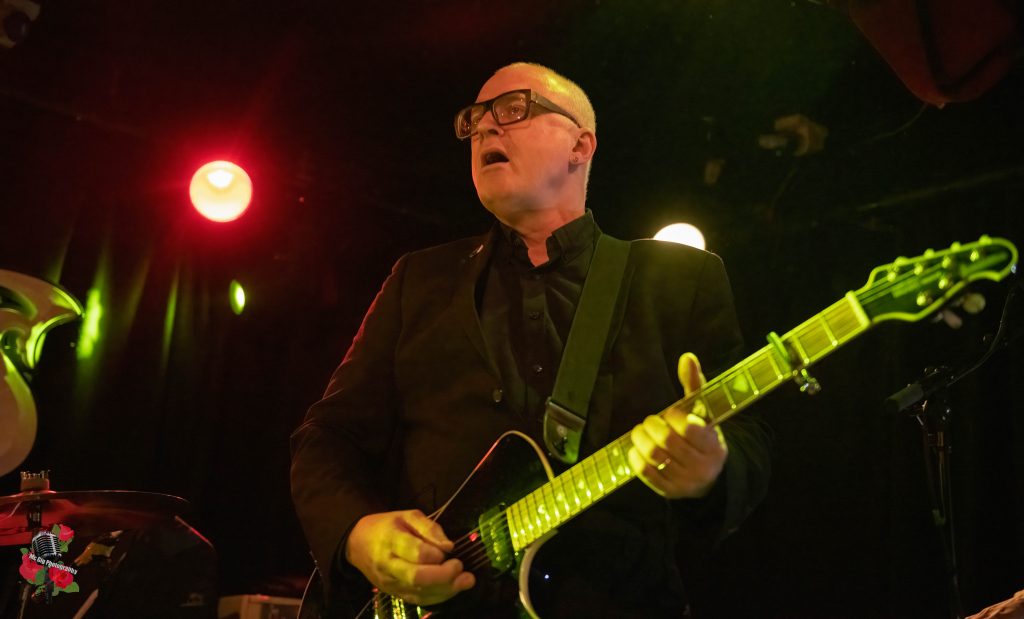
Kevin at Whelan’s, Dublin – photo credit: Ian McDonnell
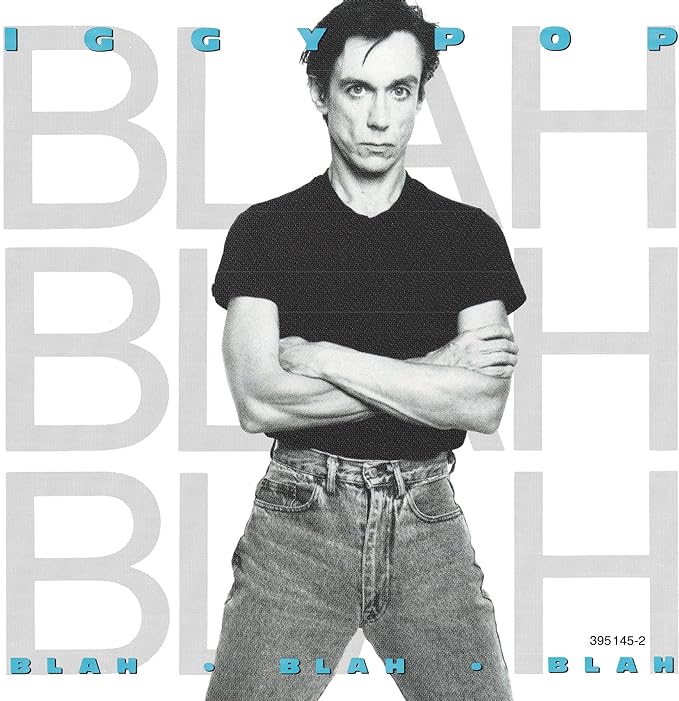
And let’s just talk a little bit about Iggy Pop. Obviously, working with David Bowie opened doors for working with Iggy on the Blah Blah Blah album – which I bought at the time it came out. And then you had a second stint with Iggy. In the book you talk about your differences in approach between the first and the second stint. Clearly, there was a certain amount of growing up along the way?
Well, it was a big gap. I stopped working with Iggy for the first time in 1986 and I didn’t get to work with him again until 2014 – so go figure! You’re a changed person by that time and I definitely didn’t know very much about my craft as a sideman in the beginning because that started with Bowie and then it went on into Iggy and became a bit of a rollercoaster. But I didn’t have any preparation or run-up to that. I wasn’t trying to be that. I was trying to be an artist before that and I just got bounced into that world. So the first time around with Iggy, I’d always thought during the intervening years, “Oh, my goodness. That was so great what we did but it could have been so much better with what I know now.” Because I didn’t really know – I was kind of as green as a cabbage then. And so getting the call in 2014 was a massive great opportunity to revisit some of that work. And we’re even playing some of the same songs and this time really use all the intervening experience to make it great. And I think we got half-way there! I never think I get more than anywhere more than halfway to what’s in my head – but we did some pretty good stuff.
You seem a little bit disappointed in the book that it came to an end because of Covid in a fairly low-key way rather than a big triumphant stadium gig somewhere?
That happened to lots of people! It happened to my son who was at school and then his school career just sort of fizzled out – with online lessons and no hoo-hah at the end of it. So I felt a little bit like that. It was a little bit of a victim of the pandemic. And Brexit, also, it has to be said. Because we used to be able to travel Europe-wide with no extra paperwork and even using our own equipment and driving it all around door-to-door anywhere in Europe, it was all fine. And then that all stopped and then when Iggy did this project with a French band for what was going to be a side-project – we were even saying, “Yeah we’re back in the saddle in a couple of months lads and here we go and all the rest of it.” And I was even talking to him directly about the changes to the set and all this stuff. And then it made sense, once they’d figured it out, for the French band to carry on as the Iggy band. Because they could travel freely and it was cheaper for them and there they were! I’m still in touch with Iggy – not on a very regular basis but we still have email traffic backwards and forwards and talk to each and it’s very pleasant – but it’s a bit of a shame, yeah, the way it finished. I thought we should have gone out n a blaze of glory rather than a rather desultory gig in a theme park in Budapest in 2019.
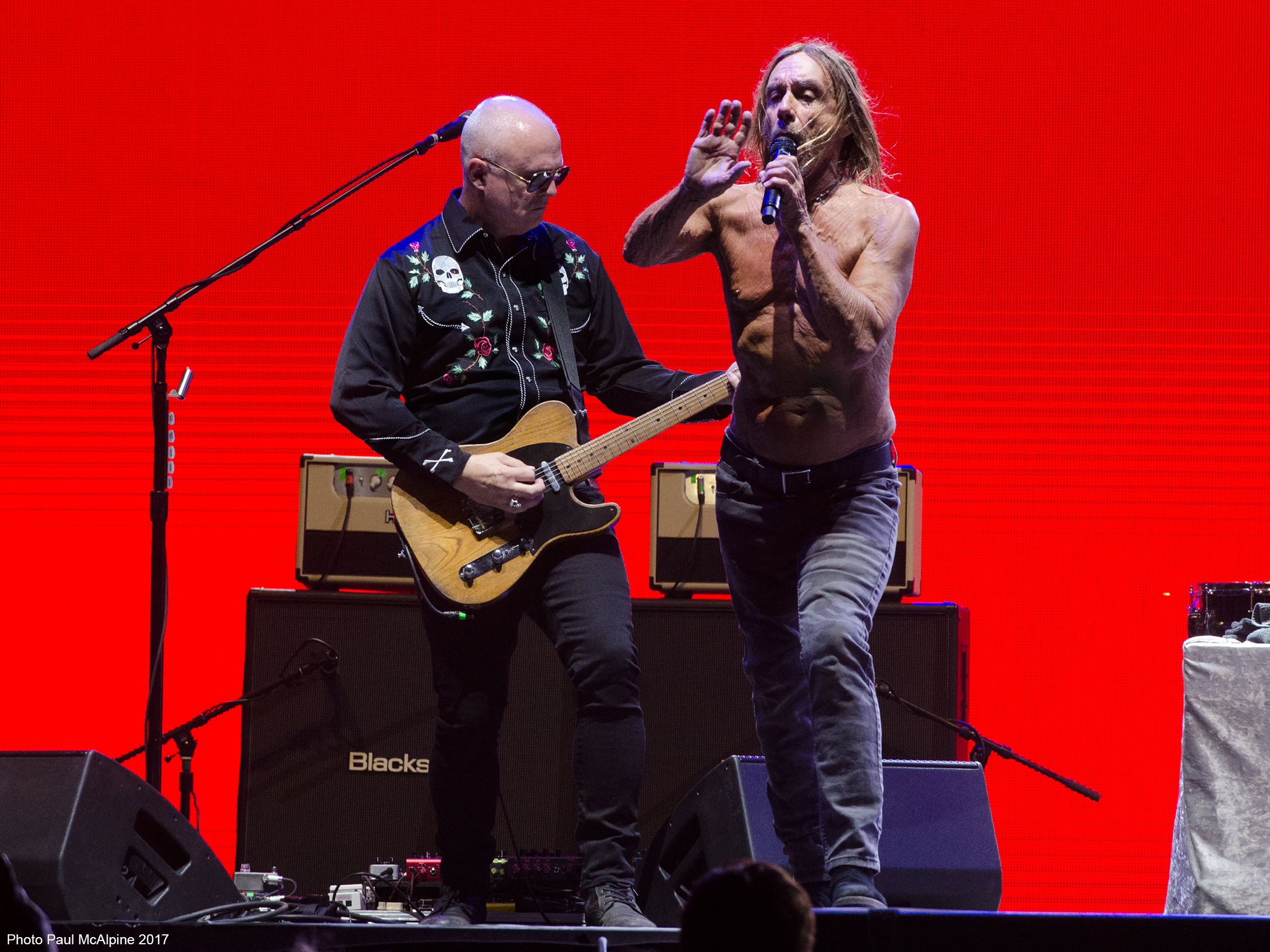
Kevin with Iggy – photo credit: Paul MCAlpine
Although you did end up still performing those songs and celebrating Iggy in quite a different way?
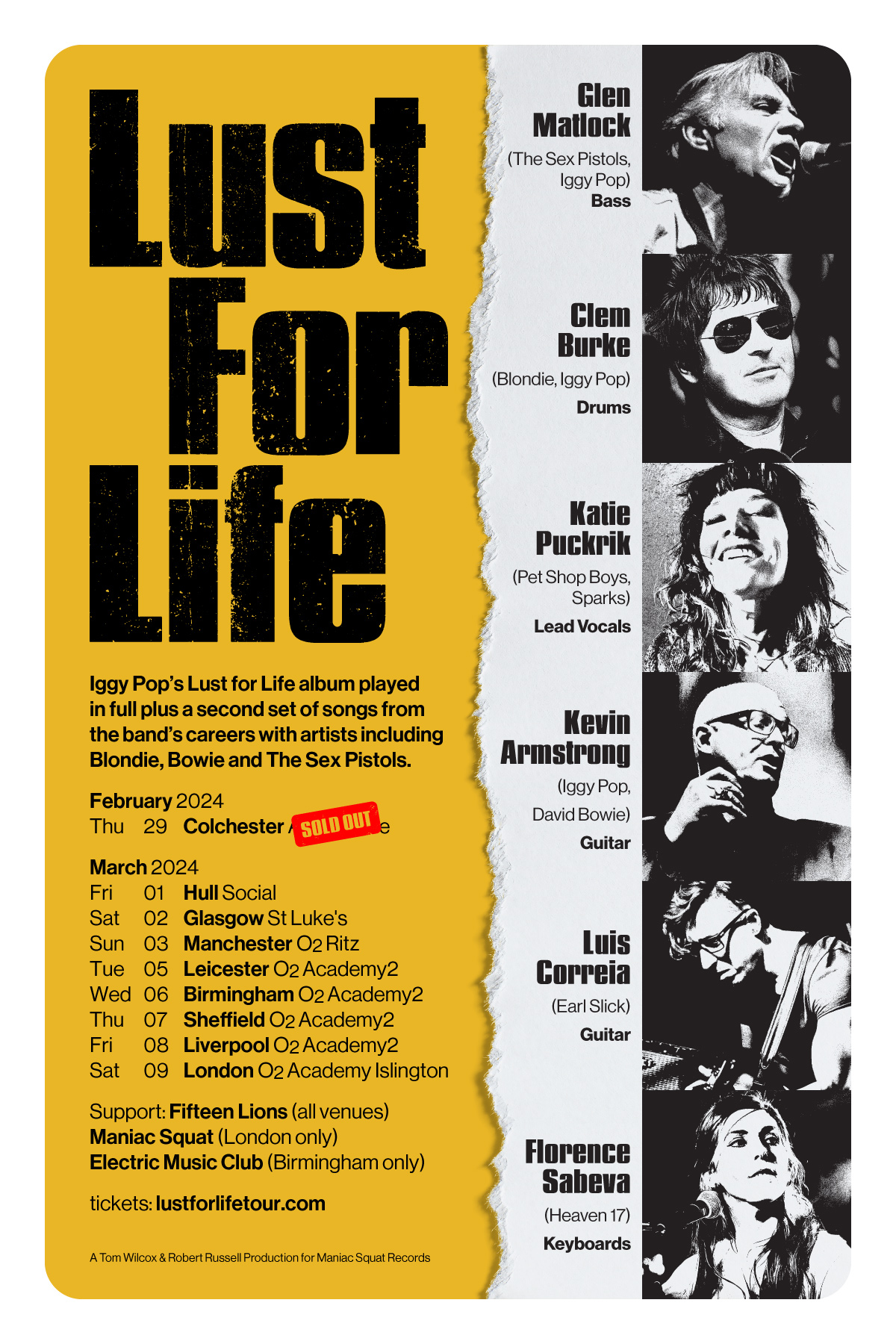
As you well know! Because of the great work you’ve done on the Lust For Life tour. Our friend Tom Wilcox had the idea to do a tribute thing with some ex-Iggy members so we’ve assembled Clem Burke and Glen Matlock and the excellent Katie Puckrik – who’s been a revelation to us all – singing. So we are doing that again in March 2024 and I’m looking forward to that. I even got a message from Iggy. I sent him a couple of clips of the band playing and he said, “You guys sound great!”
Lust For Life Tour – Photo credit: John Scott
Were you pleasantly surprised by the response that the Lust For Life tour got?
I definitely was, yeah. Because, as you and I know, Tom Wilcox has these amazing concepts of bands that he’d like to see put together. And some of them work and some of them go on to have a bit of a life and other ones just crash into the dust – however good they are. I recall the one we did with Richard Strange, and Lou Reed material, which I thought was very, very good but only a very few people came to sees it. But this one caught fire. Which is good really because it was originally billed, as you know, around Tony Sales – the Tin Machine bass-player and early Iggy bass-player. It was built around him and even all the merchandise had his name on and everything. And then he couldn’t make it for sort of administrative reasons so that whole tour was hanging by a thread.
It almost came to a sticky end…
It almost came to a sticky end. I had a Zoom call with Clem Burke and Tom and Katie going, “Well, what we going to do?” We’d lost the principal guy who was selling tickets and we lost a Japan trip over it. And then I thought, hang on let’s call Glen Matlock. And luckily he didn’t say no! And him and Clem had been working in Blondie, as you know, so it was brilliant. And Glen was the only person on the planet who could have filled that seat in the right way, having the Iggy connection and being a name himself. So it took off and I was very pleased with it.
And although Glen didn’t play on the Lust For Life album he’s obviously much better known in this country anyway.
Yes, he had played for Iggy. He’s played in Iggy’s band. They know each other so all of us have that connection with the music and I was so pleased with Iggy’s reaction to the band and the crowds who came as well. They really seemed to love it.
The Lust For Life band sets out on tour again in 2024
Any my final question is more of a local one really. Like a good number of musicians of a certain vintage you ended up moving from London to Hastings. Was the local music scene down here part of the attraction or was that mainly just a happy coincidence?
A bit of both really because I knew a number of musicians who were from down here so I played with Russell Field and Blair MacKichan and Liam Genockey. So I knew there was a bit of a scene down here but I was quite surprised when we moved down here and realised quite how vibrant it is. It’s actually much more active than the London area I was working in, where obviously I had my professional friends and network of people. But down here there really is a burgeoning music scene encompassing everything from young original artists to cover bands and veteran rockers and legends and all that. So there seems to be a massive culture of music in Hastings and that’s thrilling to me. It’s brilliant. I’ve been down here ten years now and it’s really in my bones now.
Yes! I’ve been here seven now and it was definitely part of the attraction for me was being able to see so many bands.
Yeah, I’ve even seen James Hunter playing in the Albion. Or you can see Liane Caroll playing for free in the wine bar in the town – it’s just great.
Photo: Darren Johnson
Fantastic! Is there anything else you want to tell us?
Just that the physical copies of the book are out in October. It’s available for pre-order on Amazon. I’m doing two little book launch events. One will be on 15th October at the Kino (St Leonards) and that will be canapes, wine, a bit of singing, a bit of meet and greet. And I think there’s quite exciting news of one coming in the next few days in Heddon Street which, of course, is the place of Ziggy fans / Bowie fans pilgrimage. And there’s a place called Ziggy’s which is relocating to the very building where that photograph was taken in front of that building. And I believe they want me to do a launch there.
And, of course, anybody can contact me through my website and get signed copies or come and meet at an event.
Also, probably worth mentioning we’re doing the Lust For Life Tour in March next year and I’m part of the Bowie convention in Liverpool in July next year as well so I look forward to meeting people there.
“Can you recommend any decent hotels in the area?” a friend from London texted. “We’re coming to see Graham Nash at Bexhill.”
“Ooh that sounds quite interesting,” I thought, and after duly making my hotel recommendation, I went online and booked my own ticket.
Billed as ‘Sixty Years of Songs & Stories’ the ten-date UK tour celebrates the 81-year old Graham Nash’s six decades of writing, recording and performing.
I’m aware of his hits with The Hollies in the early days, of course, and (courtesy of a couple of compilations) I’m also pretty familiar with some of the best-known songs by both Crosby, Still & Nash and Crosby, Stills, Nash & Young. I can’t claim to have followed his solo career in any great depth but, nevertheless, I felt confident that this tour was going to be something rather special and something I didn’t want to miss.
You could be forgiven for thinking the ‘Songs & Stories’ moniker meant the evening was going to be based on that familiar format that’s become rather popular with performers of a certain vintage in recent years: a sofa, lots and lots of chat, anecdotes galore and a few songs thrown in for good measure. But no, this is a proper full-blown gig, with not a sofa in sight.
Nash is joined on stage by his two longstanding collaborators, Shane Fontayne (guitar and vocals) and Todd Caldwell (keyboards and vocals) – excellent musicians both of them. It’s truly magical hearing the trio perform classics likes of ‘Marrakesh Express’, ‘Find The Cost of Freedom’ (dedicated to the people of Ukraine), ‘Cathedral’ and ‘Our House’. Nash is in fine voice, aided by some beautiful harmonising from Fontayne and Caldwell.
There is even a new album to promote on this tour. Now was released earlier this year and we get to hear songs from that, too, including the poignant ‘A Better Life’ – described by Nash as a continuation of the themes expressed in ‘Teach Your Children’ and his hope for a better, more sustainable, more peaceful future for humanity.
As well as performing his own songs, Nash also expresses heartfelt appreciation for some of his closest collaborators, friends and musical heroes, paying tribute in the form of songs written by Allan Clark, David Crosby and Stephen Stills. There’s also ‘Buddy’s Back’ – Nash’s self-penned and wonderfully evocative tribute to Buddy Holly (“We were called The Hollies for God’s sake!”)
After an enthusiastic standing ovation the band are back on stage for an encore of Buddy Holly’s ‘Everyday’ and CSNY’s ‘Teach Your Children’. A joyous end to an incredible evening and a fitting way to celebrate the career of someone who has made such a positive mark on popular music these past sixty years.
Set-list:
Wasted on the Way
Bus Stop
I Used to Be a King
Find the Cost of Freedom
Military Madness
Right Between the Eyes
A Better Life
Buddy’s Back
Marrakesh Express
To the Last Whale (Critical Mass / Wind on the Water)
Formed in 2011 in Northern Beaches on the outskirts of Sydney and now on to their fourth album, Aussie rockers, Ocean Alley, have built up a decent following in the UK in recent years and are currently mid-way through a European tour promoting their latest release, Low Altitude Living. While the backdrop may have been the English Channel rather than the Pacific, Ocean Alley seemed a perfect fit for a balmy summer evening at Bexhill’s De La Warr Pavilion this week.
First up were the even more appropriately-named Seaside, another Australian band who kicked things off with a lively forty-minute set and a chance to hear their newly-released single ‘Housewife’.
Ocean Alley tend to be labelled alternative rock but their music embraces a variety of influences, from psychedelia to hard rock to reggae. And they eschew the more po-faced, uber-cool aesthetic beloved of some indie rockers, and bring with them enough rock and roll swagger to ensure a much broader appeal. Lead singer, Baden Donegal, has a nicely lived-in feel to his voice and there’s some fine bluesy licks coming from lead guitarist, Angus Goodwin. Even more importantly, there’s an irresistible anthemic quality to so many of their songs which means that even if you’re not too familiar with their entire back catalogue you can’t help but be swept away by the waves of enthusiasm emanating from both band and audience.
Unsurprisingly, a sizeable chunk of the set-list tonight comprises songs from Low Altitude Living, which came out last Autumn. But there’s also room for some older crowd-pleasers, including ‘Lemonworld’ which kicked things off, the rousing ‘Tombstone’ and the ever-popular ‘Confidence’ which drew big roars of approval from the Bexhill crowd.
If tonight’s show is anything to go by this latest tour will have certainly helped to cement Ocean Alley’s reputation among UK audiences and won them over some new fans.
Regular readers of Darren’s Music Blog will not be surprised that my interest in glam rock has taken me to quite a few ‘70s-themed package shows over the years. However, although I’ve seen many such tours advertised I’d never actually been to one of the ‘60s-themed ones before now. I’ve always had it in mind to catch one while there’s still, at least, a chance of seeing one or two of the original performers from the era still touring. Walking along Hastings seafront a few days ago, I noticed the poster for the Sensational 60s Experience appearing at Hastings White Rock Theatre later in the week. I checked on my phone to see they still had tickets and booked then and there.
First up tonight are The Fortunes. Lead vocalist and founding member, Rod Allen, had kept the group going from its inception in 1963 through until his death in 2008. Guitarist, Michael Smitham, the longest serving member of the current line-up has been around since 1983, however, with the others joining in more recent decades. Clearly, we weren’t going to see any of the original Fortunes tonight but they rattle through a few hits, songs like ‘Here It Comes Again’ and ‘You’ve Got Your Troubles’ from the 60s and (straying into the early 70s when The Fortunes enjoyed a bit of a revival in their own fortunes) ‘Freedom Come, Freedom Go’ and ‘Storm In A Teacup’.
Vanity Fare were formed in 1966, had three Top Twenty UK hits in the late 60s and even though their last original member, Trevor Brice, left them in 1979, they can still boast Guitarist/vocalist, Eddie Wheeler, who has been with them since 1970. Moreover, bass-player, Bernie Hagley, has been around since 1974 so they can claim a reasonable pedigree. I’m not too familiar with their material but they are good musicians – and as well as their own hits they throw in a couple of entertaining cover, too, including a lively version of ‘Spirit In The Sky’.
After performing several songs under their own steam, Mike d’Abo is then invited on stage to join them – a genuine, bonafide 60s hitmaker if ever there was one. Vanity Fare do an excellent job substituting for d’Abo’s former band as he powers through a selection of Manfred Mann hits: ‘Just Like a Woman’, ‘Semi-Detached Suburban Mr James’ and ‘Ha! Ha! Said the Clown’; as well as couple of d’Abo’s own songs that others enjoyed success with: ‘Build Me Up Buttercup’ and the unforgettable ‘Handbags and Gladrags’. d’Abo is in strong voice tonight, exudes charisma on stage and is the stand-out act of the evening in my view. He leaves us with a spirited rendition of the pre-d’Abo, breakthrough hit for the Paul Jones-fronted version of the band. ‘Da Wah Diddy Diddy’ gets us all singing along before we hit the interval, and a chance to meet the man himself.
Mike d’Abo came out to sign CDs and meet fans during the interval
An appropriately double-denim-clad Swinging Blue Jeans then kick things off in the second half. Again, it’s another group on stage tonight without any members who played on their original hits. However, vocalist/lead guitarist, Alan Lovell, has been with the band since 1999 and did play alongside original members, Ray Ennis and Les Braid, for a number of years. The other musicians in the band can also boast some impressive rock and roll credentials between them, playing with the likes of Joe Brown, Cliff Richard, Jerry Lee Lewis and Chuck Berry among others. While the line-up might be the real thing, it’s probably the most authentically rock and roll performance of the evening, sticking to the basic template established by the first generation of US rockers back in the 1950s. As well as The Swinging Blue Jeans’ own biggest hit ‘The Hippy, Hippy Shake’ (which was originally written and recorded by US rock and roller, Chan Romero, in 1959), we get the likes of Jerry Lee Lewis’s ‘High School Confidential’ and Little Richard’s ‘Good Golly Miss Molly’.
Next up are Tremeloes tribute, The Trems. Unlike the others on the bill tonight they don’t claim to be the actual band (a version of which is still going, containing two sixties-era members). Rather, The Trems are billed as “former members of the Tremeloes”. Joe Gillingham (on keyboards) has been playing with the Tremeloes/Trems since the late 80s while Jeff Brown (on bass and vocals) has been with them since 2005. Brown, who also did a long stint with Andy Scott’s Sweet throughout the 90s and early 2000s needs no introduction to me as I’d seen him numerous times before, albeit in 70s glam persona rather than swinging 60s! It’s the closest thing tonight to a straightforward tribute act but Brown is an entertaining frontman and he and his bandmates get a deservedly enthusiastic response from the audience.
Dozy, Beaky, Mick & Titch wouldn’t have been my obvious choice as headliner for a 60s tour but proved to be the real surprise of the evening. Former frontman, Dave Dee, sadly passed away in 2009 and the original Dozy also passed away in 2015 and we have a replacement Mick (drummer, John Hatchman who’s been playing with them since the early 80s), a new Titch (lead guitarist Jolyon Dixon, who’s been around since 2014) and a new Dozy (Nigel Dixon on bass, who joined in 2015). But it’s still the original Beaky and rhythm guitarist, John Dymond, carries the air of surprised, bemused delight that he’s still doing this 58 years after releasing their first single. It’s all rather glorious as they amp up the sound and blast out the old hits like ‘Bend it’, ‘Zabadak’, ‘Legend of Xanadu’ and ‘Hold Tight’ with a raucous rock and roll swagger. Full of energy, spectacularly bonkers and hugely entertaining, it was a great end to the evening.
The original Beaky (centre) with Dozy, Beaky, Mick & Titch
Always quite a Quo fan since being a young teenager, I’d originally booked to see Francis Rossi on his ‘I Talk Too Much Tour’ back in 2020. Covid came along and that got rescheduled and then cancelled altogether but Rossi finally makes it to Hastings’ White Rock Theatre on his follow-up tour, ‘Tunes and Chat’.
The previous tour adopted that well-established format for this type of evening: seasoned music journo chats to acclaimed rock star about their life and career, interspersed with some live songs. Sadly, (for the reasons given above) I didn’t get the chance to see Rossi do this with veteran rock writer, Mick Wall, when they went out on the road but Rossi clearly enjoyed himself because he’s back for more. However, this time he’s eschewed the standard format of on-stage bantering with an established music journo and it’s just Rossi and his guitar tech and accomplished co-musician, Andy Brook.
Brook famously doesn’t say a word during the show until right towards the end when he reads out some audience questions for Rossi to answer. So the “chat” part is very much Rossi in solo mode. It soon begins to remind me of one of those monologues that Ronnie Corbett used to do sitting on that massive big chair meandering away when he did his solo segment on The Two Ronnies. It’s very stream-of-consciousness with lots of ad-hoc, one-liners interspersed with recollections about growing up in an Italian family in south London, getting hooked on music and embarking on a potentially-lethal home experiment in trying to create his first ever electric guitar.
Along with the more generic chit-chat, there’s also some fascinating insights into how certain Quo songs came about. And, my, do we get the songs. Starting off with some of the early material like ‘In My Chair’ and ‘Down The Dustpipe’ before moving on to some of the songs recorded at the height of the band’s success in the 1970s and early 1980s, there is absolutely no shortage of Quo classics, including ‘What You’re Proposing’, ‘Paper Plane’ and ‘Rocking All Over The World’.
I’ve seen Status Quo perform acoustically in the past, of course, when they did their ‘Aquostic’ project some years back but this is a much more intimate affair and Rossi is in fine voice and clearly in his element. On stage, Rossi and Andy Brook spar extremely well together musically – even if not conversationally – and the evening ends with a wonderful, communal sing-along to ‘Caroline’.
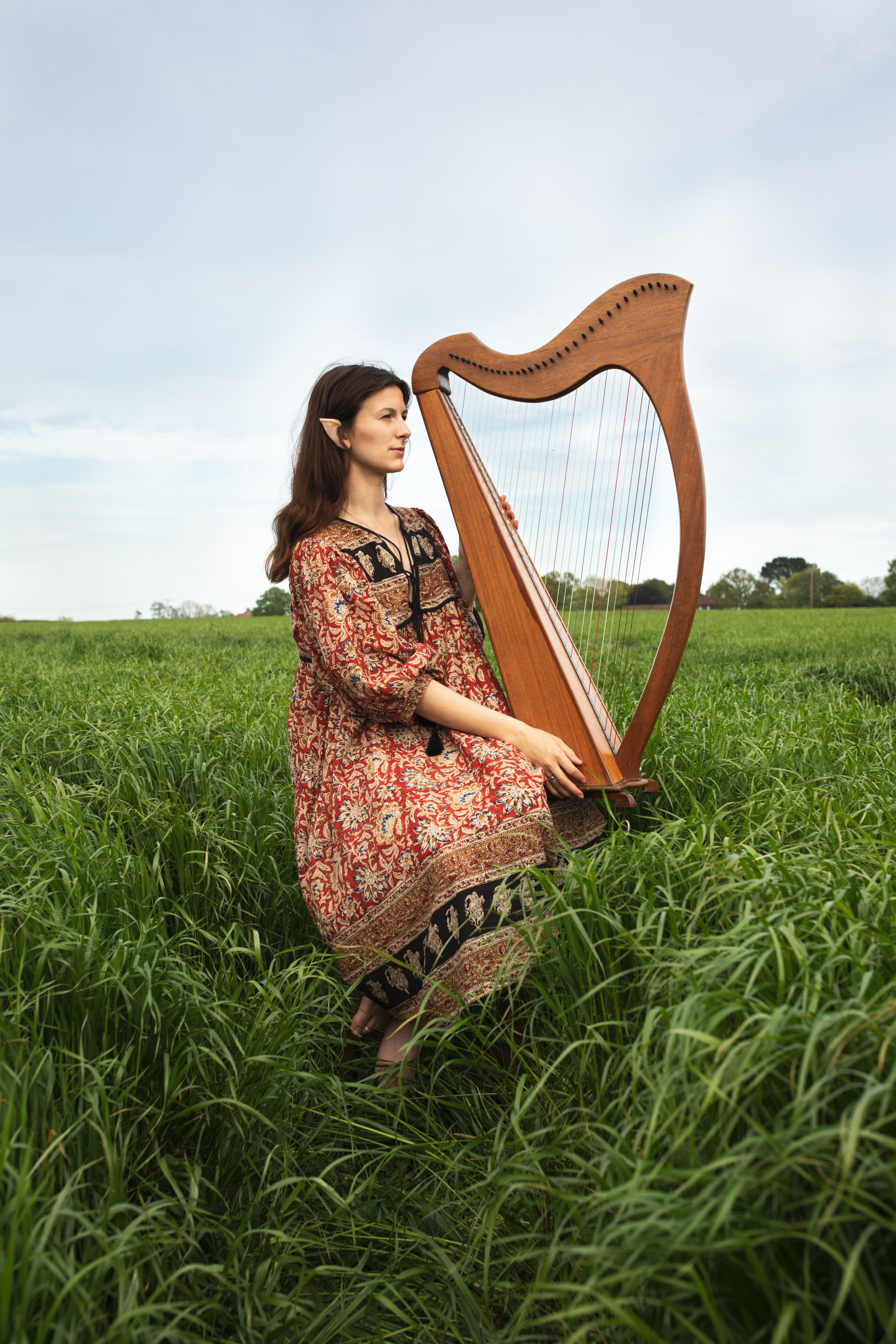
Drawing inspiration from spirituality, history, folk tales, nature and the complexities of “being human”, India Blue is a folk musician and singer-songwriter based here in St. Leonards, East Sussex.
Introduced to the piano aged five, India says she began writing songs about faeries from those very first lessons, with help from her teacher Carla Smith. Aged eleven she began performing her first ever gigs as her support act, at places like Revelation in Ashford and the Sinden Theatre in Tenterden. Then came opportunities on the festival circuit, playing at small eco, pagan and hippie festivals in 2015. Prior to lockdown she was playing around eleven festivals each summer. She was awarded winner of the Equator Music Contest in 2014, was shortlisted for Young Songwriter of the Year in 2015 and was area finalist of Open Mic UK in 2016. As well as festivals, she’s supported Jo Beth Young for her ‘Strangers’ album launch and Guy Chambers on his ‘Into The Light’ tour.
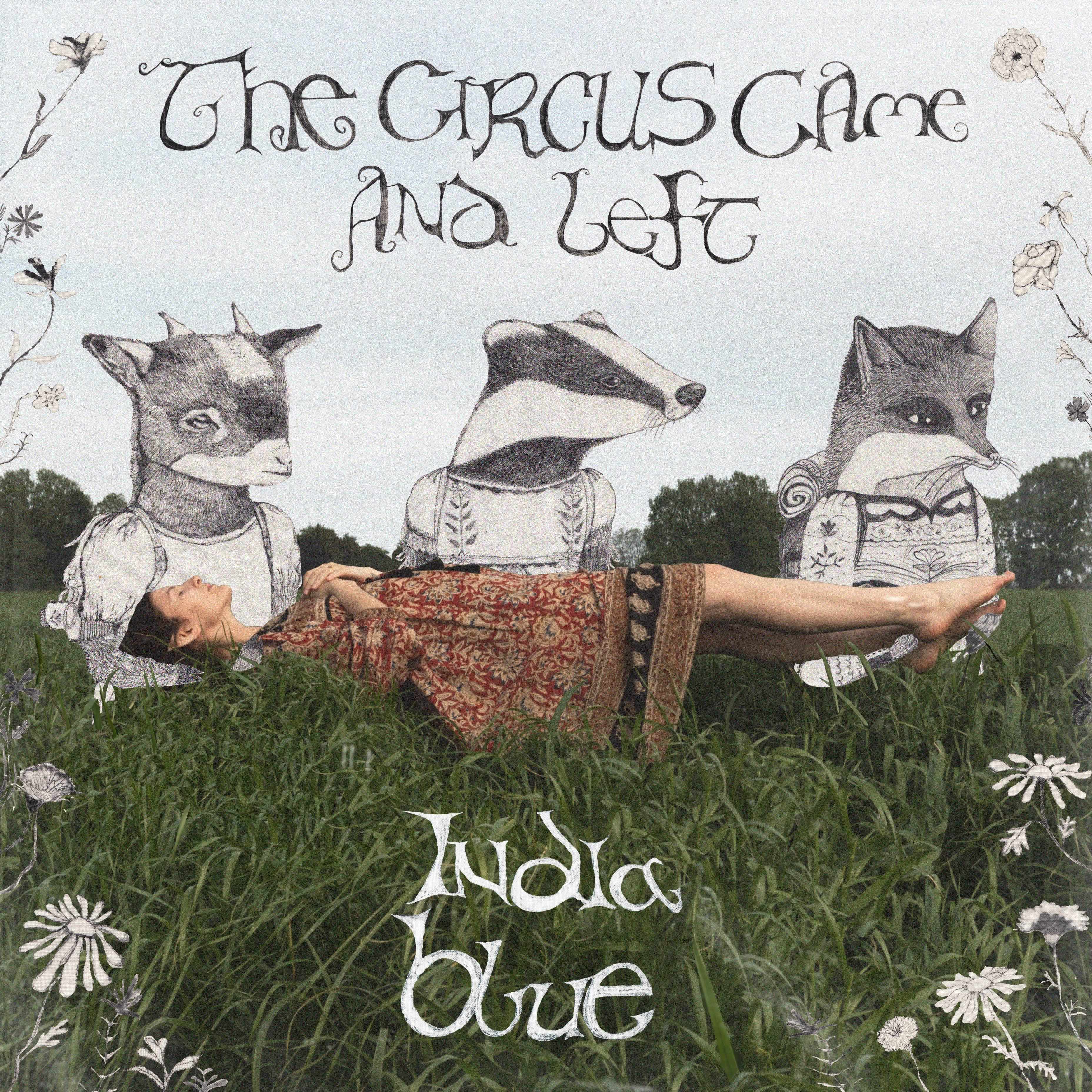
India Blue’s debut studio album, The Circus Came And Left, released earlier this Spring features thirteen self-composed songs written over a two-year period.
“The Circus Came and Left is titled from the final single, which I toyed with actually including on the album or not. It’s a very personal song, about the transience of life. But I felt in some way whilst structuring the album: this is the journey I wanted the listener to go through, as it’s the one cycle every living this also goes through (in some way or another) It was also a major reason I wanted my first solo release to be an album, rather than a single: to walk the listener through a landscape.”
“I recorded the album in the home studio of my producer and fellow musician Tom Clarkson. Recording was a heart opening experience, intertwined with cavalo nero pasta, deep yogic breaths and dances with his two-year-old daughter.”
“My favourite part of the process was recording the piano on a magnificent old Steinway in an old original Burton manor (the man who built St Leonards!) ‘We’re Free’ was the only song fully recorded in this space, it was my rendition of a Mantra, and we got it in maybe one or two takes. I feel that songs are capsules, containing the energy of their words, the time when they were written, and also recorded. I feel this album truly holds support, insight and creative power for all who listen to receive.”
While she’s mainly self-accompanied, playing piano, harp and other instruments, the album also features some talented local musicians including Bev Lee Harling (violin), Tom Clarkson (bass/electric guitar), Tom Uragallo (bodhran) and Sarah Vincent (trombone).
The Circus Came And Left is a delightful album. India Blue’s delicate yet expressive and slightly other-worldly vocal is the perfect fit for her song-writing and there’s plenty of lovely mournful piano and beautifully evocative harp to really bring these songs to life. Both Vashti Bunyan and Joanna Newsome are cited as key inspirations and there’s lots for fans of both of those artists to enjoy here.







 Darren's music blog