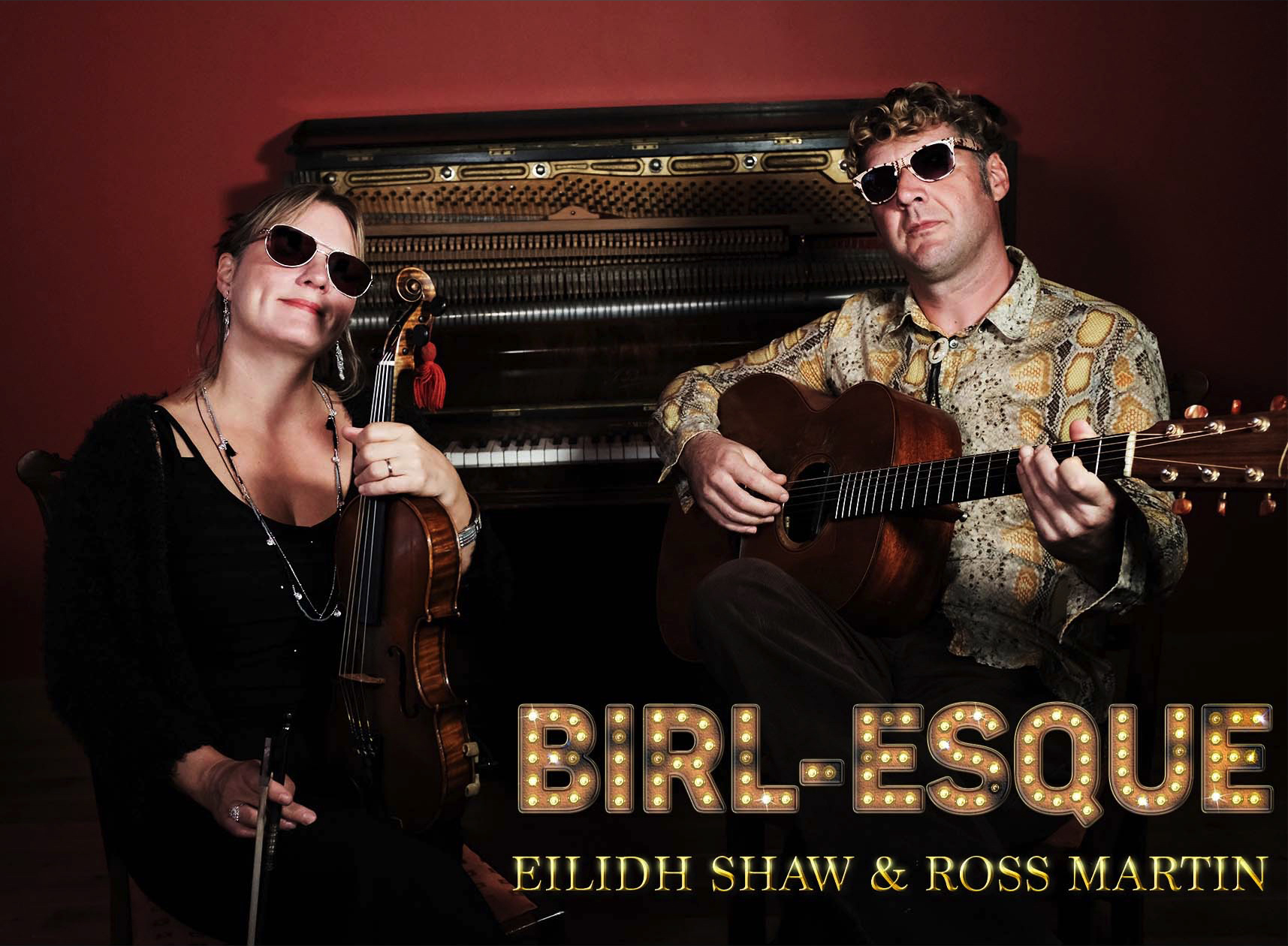
Eilidh Shaw (fiddle and vocals) and Ross Martin (guitar) are best known for their work with two leading Scottish traditional bands. Shaw for her work with The Poozies and Martin with Daimh. Between them they have spent over two decades touring with both their own bands and as guest artists with an vast array of top performers, including Julie Fowlis, Bonnie Prince Billy, Tony Christie and Arnaud Ciapolino.
Performing under the name Birl-Esque, Stay Here All Night is their second album as a duo. Born out of the long musical winter of lockdowns and cancelled gigs, the obvious choice faced by many couples was to either order another case of wine or build a home studio. Eilidh Shaw and Ross Martin did both of these things. The resulting album is a festival of creativity, full of the style and character that the duo has become known for.
Eilidh Shaw’s fiddle takes the lead on the instrumentals, such as ‘Swimmy Tunes’ above. The duo comment: “Two tunes written by Eilidh after a glorious west coast summer swimming in the sea around Arisaig. No swimming in this video as, although still very beautiful, it was a very cold day in January. The beautiful islands of Eigg and a snow-capped Rum in the background.”
New compositions such as this sit alongside old Highland classics like the ‘Thief of Lochaber’ and ‘Paddy’s Waltzes’, a set of Gaelic waltzes taken from her father’s home-made music book.
The four songs on the album include covers of contemporary Scottish writers such as ‘Stoned Again’ by Sandy Wright and ‘Better Off Dead’ by Willie MacAskill while the title track ‘Stay Here All Night’ showcases Shaw’s own songwriting.
Ross Martin’s consummate guitar arrangements tie the album together while the whole project is further decorated by a star-studded list of guest musicians that happened to be either passing the duo’s Highland home in Morar or had made the same decision during the dark days of covid and contributed from their own home studios.
With a combined total of 74 years of gigging experience and over 100 album appearances between them this dazzling duo seamlessly blur the lines between the traditional and the contemporary with a uniquely mischievous style.
The self-styled ‘Gaelic Supergroup’, who have now been around some twenty-five years, are back with another new album. Sula was recorded on the Hebridean island of Bernera and captures the band in fine form performing a mix of traditional Gaelic songs and new band compositions.
Dàimh: “SULA is the old Norse name for the Gannet, the largest seabird in Northern Europe. As graceful soaring above the waves as they are swimming far beneath them, Gannets find strength by gathering together in close knit communities on isolated windswept outposts and perfectly embody Dàimh’s enduring connection to the Hebrides and their surrounding waters.”
Evocative bagpipe-led instrumentals, exhilarating fiddle-playing and the captivating Gaelic-language vocals of Ellen MacDonald, this is another album that wonderfully captures the beauty, vibrancy and resilience of the Gaelic music scene.
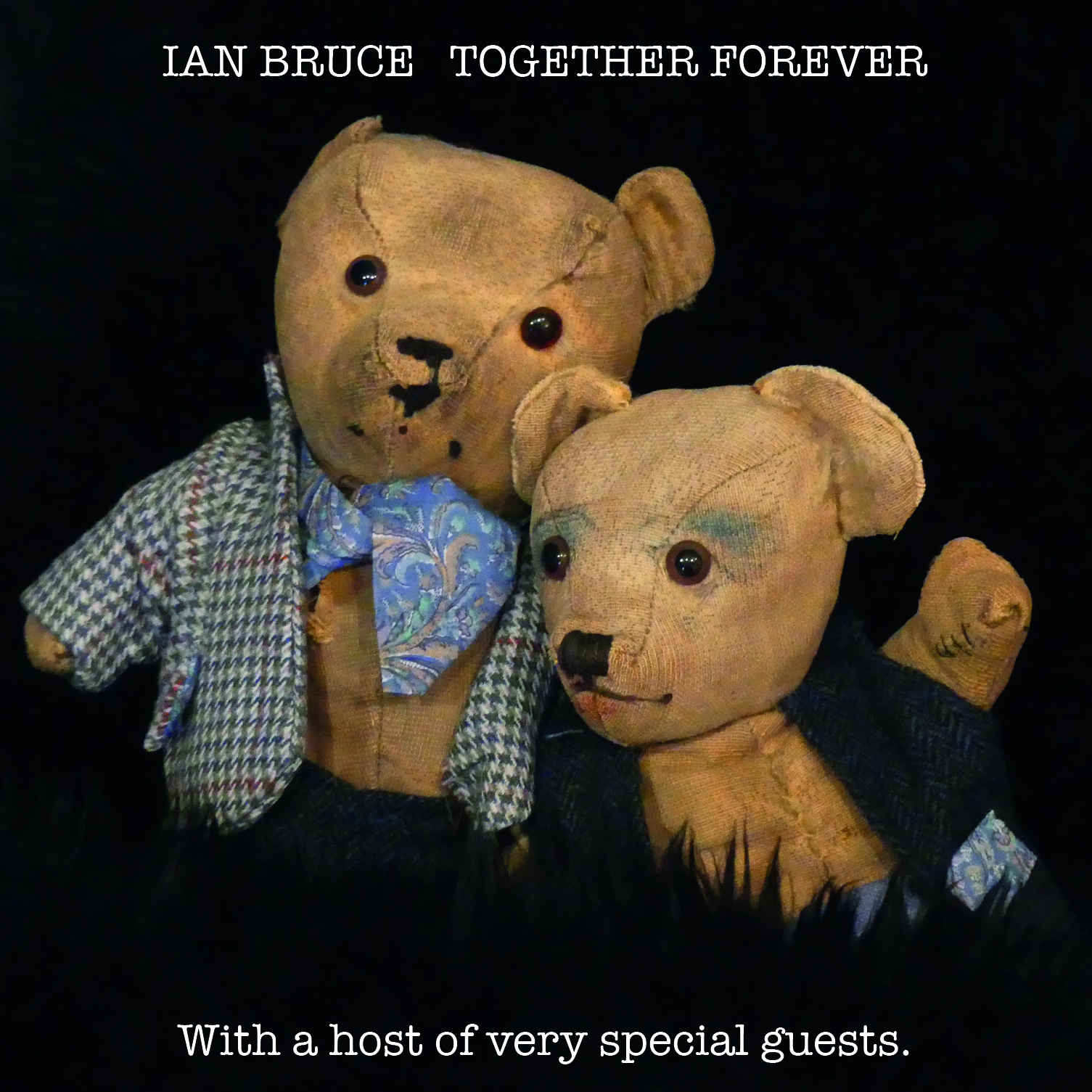
Described in the press publicity as being “the Dad’s Army of the current folk scene” the double disc album of veteran folkie, Ian Bruce, features a host of musical guests: Barbara Dickson, Bob Fox, Jez Lowe, Allan Taylor, Mike Silver and Alastair McDonald to name but a few.
Three years in the making, this ambitious project encompasses thirty-three tracks and over one hundred collaborators and initially came about as a crowd-funded lockdown project when the Covid pandemic denied Bruce his regular income as a working, gigging musician.
Ian Bruce:“Together Forever delves into personal preferences, influences and loves of the music I grew up with.”
Although there’s an acoustic folk sensibility at its heart, this is an album that spans many influences. The selections range from traditional Scottish ballads, to songs written by stalwarts of the folk revival, like the late Rab Noakes, to an impeccably tartaned-up version of Peter Sarstedt’s ‘Where Do You Go To (My Lovely)?’. The comforting familiarity of many of these songs will put a smile a smile on your face and give you a warm glow inside.
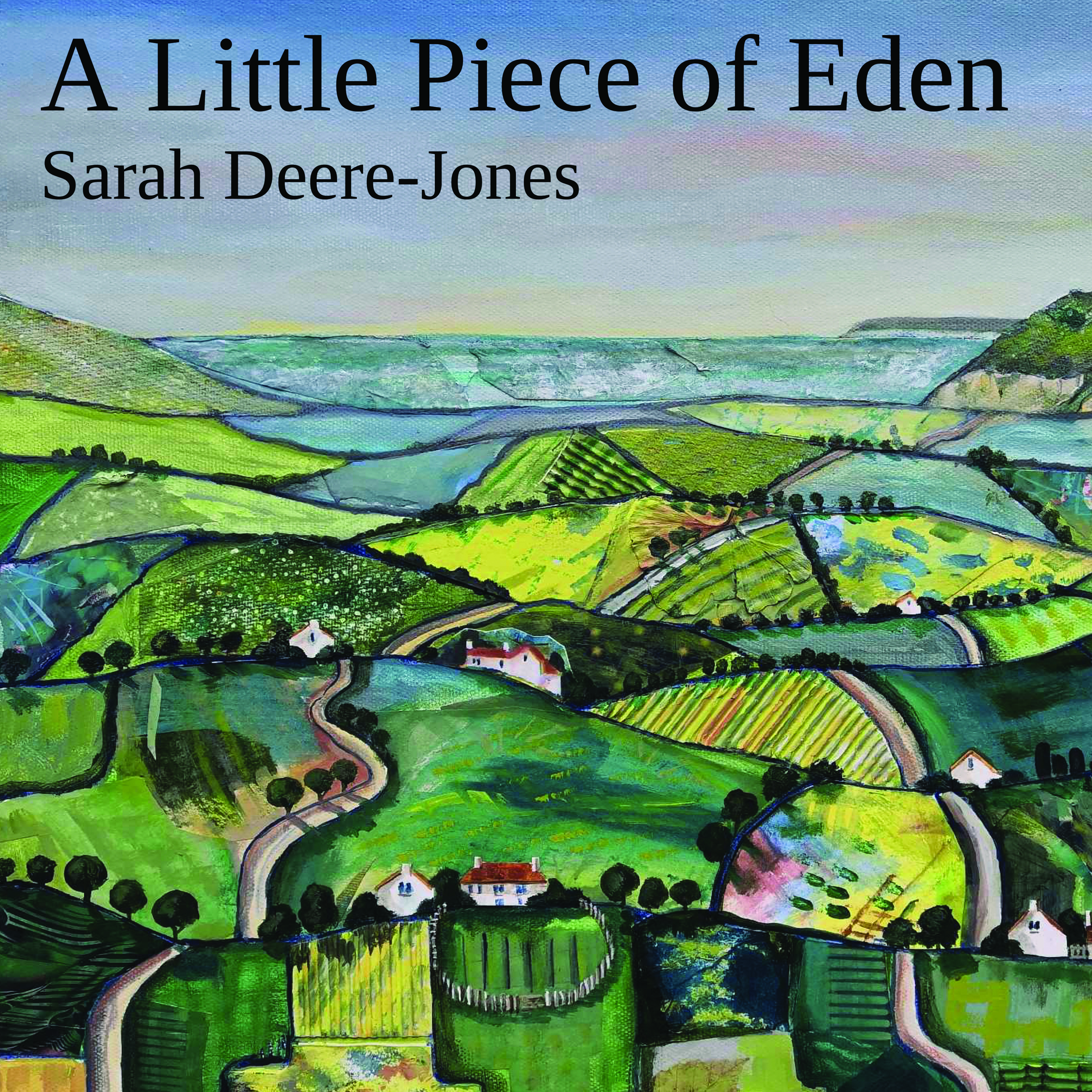
Classically-trained, professional harpist, Sarah Deere-Jones, performed for many years with symphony, opera and ballet orchestras but, latterly, she has turned her attention to performing her own arrangements of traditional songs and creating original music.
A keen environmental campaigner, Deere-Jones was inspired to put her love of nature and concern for the future well-being of the natural world at the heart of A Little Piece of Eden.
Sarah Deere-Jones:“This album particularly reflects my personal feelings on the changes in rural life, from my childhood in north Dorset, to where I live today in rural Cornwall – the crash of biodiversity, the diaspora of small communities and the damage of intensive farming, these are all changes that I have witnessed with my own eyes – but in recent years the growing rewilding movement gives us hope that these problems can be solved.”
Featuring four original songs alongside eleven traditional songs and tunes and with accompaniment from guitar, gazuki and melodeon player, Phil Williams, A Little Piece of Eden is an inspiring showcase for both Sarah Deere-Jones exquisite harp-playing and her bright-burning passion for a more sustainable future.
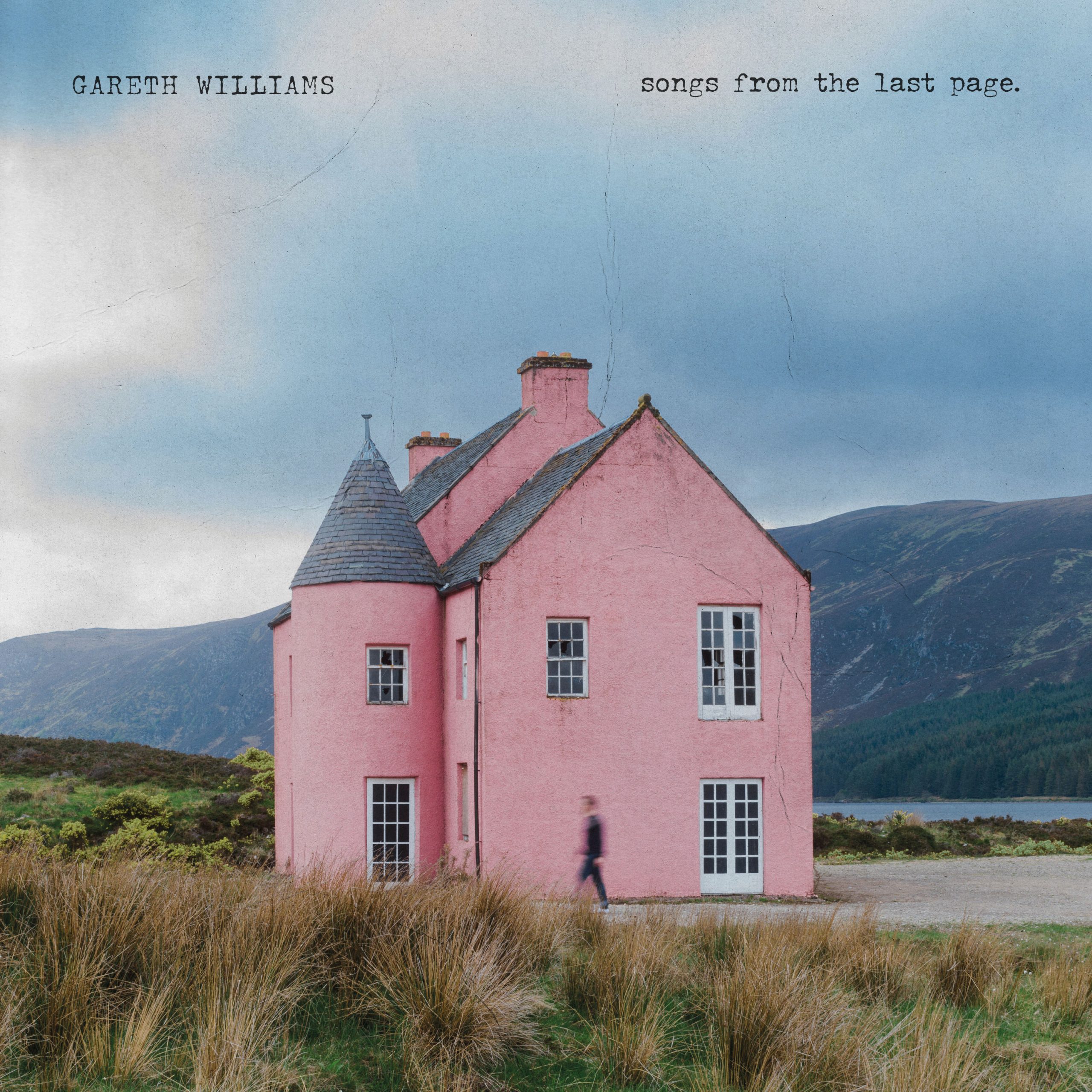
Gareth Williams is an Irish-born composer and singer-songwriter based in Scotland. As a musician he has always sought to work across musical boundaries, from musical theatre to pop, from chamber music to opera.
In using literature as its inspirational starting point, Williams’ latest project is not unusual for a folk-based album. What does appear to be a unique approach, however, is in merely using the final line of each story as the starting point for a song.
Gareth Williams:“These songs all have one thing in common – they begin on the final page of a book. And, all the books I chose for this collection also have something in common – when I read them, I didn’t want them to end. So I took what I found in the final lines, with no words added and none taken out, and built verses, choruses, bridges, and refrains. Stories never stay on the page anyway – these ones just became songs.”
In the hands of someone less talented this could have fallen flat and risk taking us into the realms of gimmickry. But in Songs From The Last Page, Gareth Williams pulls off something that is both thought-provoking and musically interesting. Some of the books referenced I knew (Sherlock Holmes and Treasure Island – for example). Others I was completely unfamiliar with. Nevertheless, Williams’ skills as a songwriter and musician were enough to draw me in, his somewhat sombre piano providing the main musical backdrop to each of these literary flights of fancy.
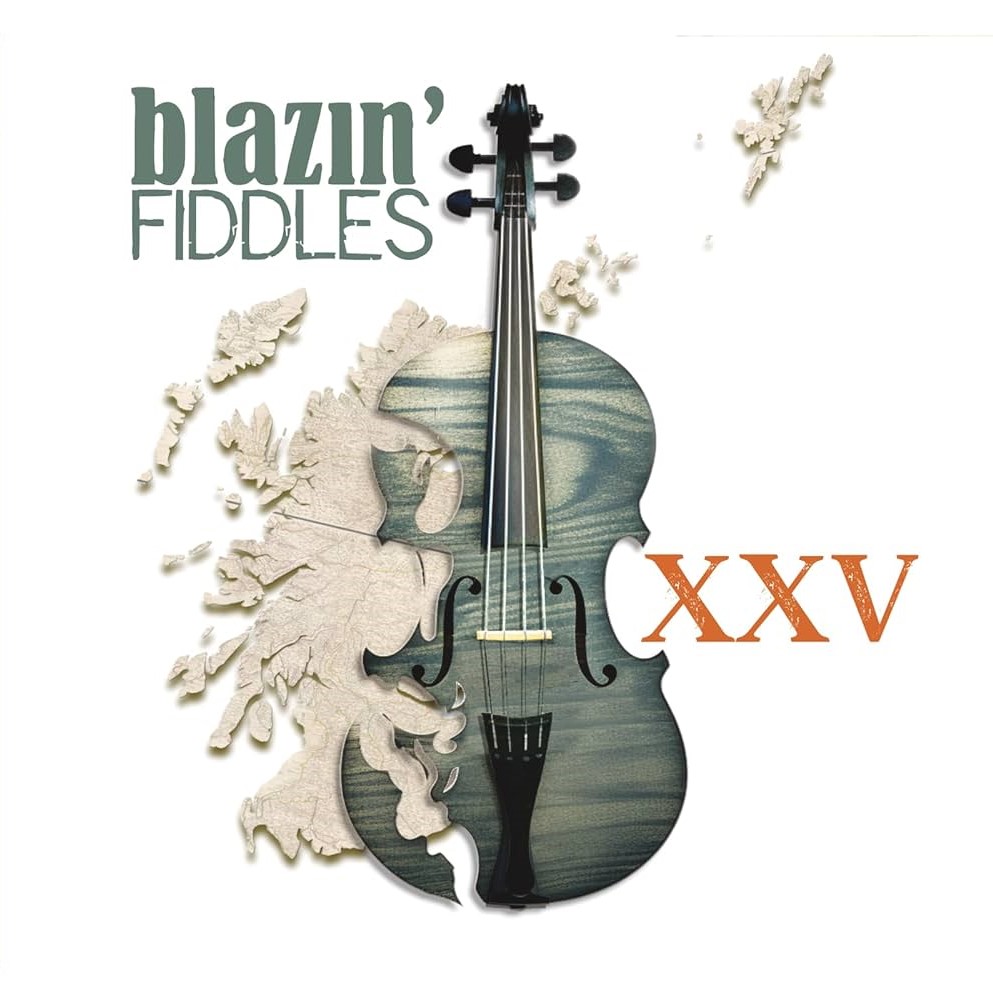
Always entertaining on stage, Blazin’ Fiddles (a project that initially started out as one-off collaboration for a short five-day tour) mark their twenty-fifth century anniversary with a new release.
Recorded as-live in the studio with the aim of capturing the spontaneity of a concert performance, the album features a line-up of Bruce MacGregor, Rua Macmillan, Jenna Reid and Kristan Harvey on their respective fiddles who are joined by Anna Massie on guitar and fiddle and Angus Lyon on piano.
Blazin’ Fiddles: “Our purpose as a band has been to promote the fiddle styles of the highlands and islands and you will find the melodies of these traditions are to the fore. We’re also a band that loves to travel and absorb cultures, so we have melodies from our trips and adventures as well as a number of new compositions by band members.”
XXV is an invigorating music celebration from a band who have more than earned their place as a fixture of the Scottish traditional music scene this past quarter of a century. Highly enjoyable.
This review was originally published by Bright Young folk here
Launched twenty years to the day after Daimh’s first ever gig, The Rough Bounds sees the Gaelic super-group in celebratory mode. Unlike The Hebridean Sessions, the live album released to mark their fifteenth anniversary, this new album sees the band looking forward and exploring new material, both self-composed and traditional, rather than revisiting songs from earlier in their career.
“Half of the tunes on the record are written by the band and the other half are traditional, the only exception being that of a set of melodies composed by piping legend, PM Donald MacLeod from the Isle of Lewis. We wanted to pay tribute to one our favourite composers, but the set also serves as a stepping stone between the old tunes and our own contemporary pieces,” explains the band’s Angus MacKenzie.
No knowledge of the Gaelic language is required to appreciate the beauty of the exquisite sounds rolling off the lips of singer, Ellen MacDonald, but the lyrics, we are informed, cover those familiar themes of drinking, feuding and loves lost at sea. There can be few more powerful arguments in favour the band’s outspoken passion for preserving and defending Gaelic language and culture than hearing these lyrics delivered so beautifully on songs like Trusaidh mi na Coilleagan and Tha Fadachd orm Fhìn.
Of the tune sets 12th of June and the Donald Macleod Reels showcase some wonderful pipe-playing, while the uplifting Happy Fish contains some gorgeous interplay between accordion, whistle and fiddle.
Strong melodies, exhilarating pipes, enchanting fiddles, hauntingly atmospheric accordion and breathtakingly beautiful vocals The Rough Bounds is pretty much everything you could ask for from an album of Gaelic folk.




 Darren's music blog