I first came across the Julie July Band in the band’s early days when they were performing their lovingly-collated and extremely well-received tribute to Sandy Denny. Time has flown by and the band have been together a decade now and are about to release their fourth studio album.
While the first one stuck to material that had been written or performed by Sandy Denny herself, subsequent albums have been composed of original material. The last album, the post-lockdown Wonderland, saw the band draw on a more eclectic range of influences. With Flight Of Fancy they continue on that journey still further.
The band themselves characterise it as “music inspired by the folk, rock and blues movements of the ‘60s and ’70;s with a 21st Century twist.”
The title track picks up that laid-back, sun-kissed, US country rock -meets- English folk rock vibe which Sandy Denny’s post-Fairport outfit Fotheringay delved into so wonderfully but there’s many, many more influences here beyond Denny, Fairport and Fotheringay. From the psychedelia-tinged ‘All In Our Minds’, to the funky reggae party of ‘Boho Woman’, to the wistful minor-key singer-songwriter vibe of ‘Lost In A Crowd’ to the sparse, delicate beauty of piano-and-vocal closing track, ‘Simply Yours’, it’s like a magical mystery tour through a fifty-year-old, recently-rediscovered record collection for the discerning buyer.
Holding it all together is Julie July’s crisp, clear vocals; great five-part harmonies, thoughtful but accessible songwriting, and a superbly versatile band – now with an established line up of Steve Rezillo (Lead guitar), Caley Groves (acoustic guitar) Dik Cadbury (bass), Mick Candler (drums) and Carol Lee Sampson (keyboards).
Flight Of Fancy is a really enjoyable album and it’s not at all fanciful to conclude that the Julie July Band continue to soar and continue to deliver great music.
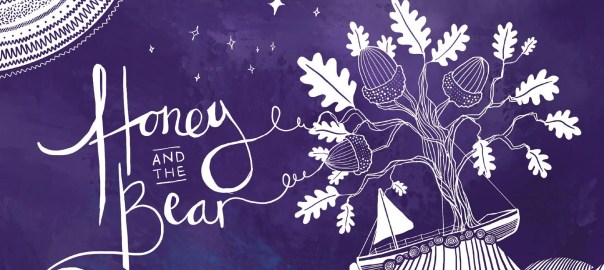
Away Beyond The Fret is the third album from husband-and-wife folk duo, Lucy and Jon Hart, and the follow-up to the highly-enjoyable Journey Through The Roke, which I reviewed back in 2021.
Lucy Hart:“Many of the songs on this album focus on our Suffolk home and the close bonds of family, friendship and community.”
Fresh-sounding, slightly genre-hopping and once again deeply rooted in the history, culture and landscape of their Suffolk homeland, Away Beyond The Fret is delivered with the duo’s characteristic elegance and beauty. The highly-talented duo of Lucy and Jon Hart continue to delight and this, their third album, is proof that Honey & The Bear have blossomed into something truly magnificent on the UK folk scene.
Three Galleys is the debut album from Holly & The Reivers, a project formed back in 2017 that brings together Holly Clarke (vocals/guitar), Merle Harbron (vocals/fiddle) and Bertie Armstrong (vocals/banjo).
Holly & The Reivers:“Three Galleys reaches into the depths of the darker side of folk song and brings forth the messages in the songs that are deeply rooted in human experience through history. Each track has been meticulously arranged to help interlace the story with a musical setting that enthrals listeners to submit and be swept away in a journey of rich storytelling.”
This is an older live video but still carries their instantly-recognisable signature sound based around the trio’s banjo, fiddle and guitar and their contrasting but complimentary vocals. Beautifully atmospheric soundscapes combine with stunning interpretations of traditional ballads that tend dwell on the darker side of human existence, borne of an enduring fascination of folk horror cinema. In Three Galleys, Holly & The Reivers have served up a highly impressive debut album.
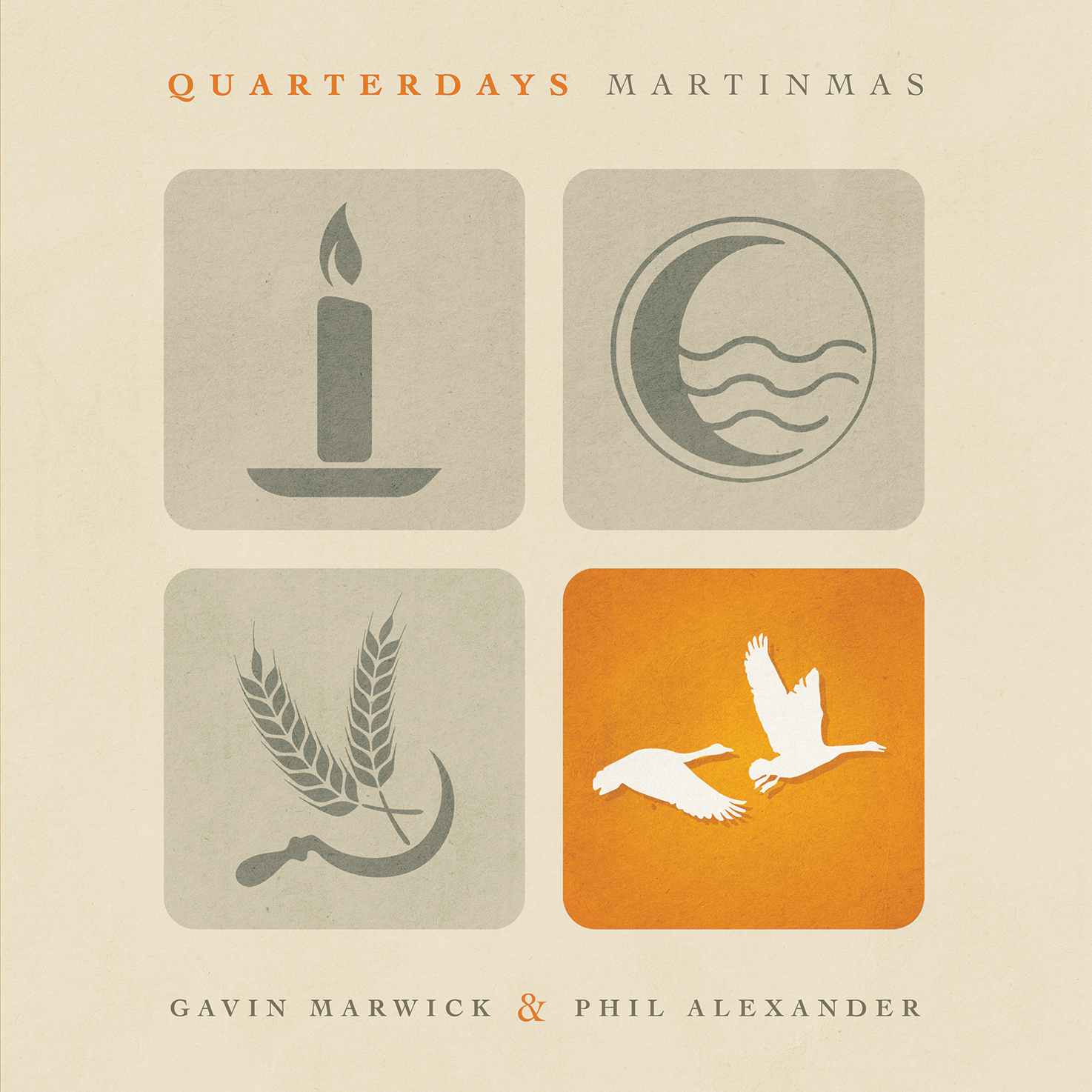
Martinmas is the fourth and final release in Gavin Marwick’s Quarterdays series, and this one sees the Scottish fiddle-player and composer team up with pianist and accordion-player, Phil Alexander. The two have played together both socially and professionally over a number of years.
Gavin Marwick:“Martinmas celebrates the life of St Martin of Tours, the only actual historical figure to appear in the Quarterdays canon. Born in what is now part of Hungary, serving in the Roman army and ending up as Bishop of Tours and ultimately one of the patron saints of France, Martin offers a very broad European vision of the spread of the early church across the continent during this long ago fourth century period.”
Marking the final season of the year and celebrating the life of St Martin of Tours, whose feast day is marked on November 11th, the six tune-sets, all composed by Marwick, distil Scottish, Eastern European and French traditional influences alongside more contemporary ideas. Once again, Marwick hits us with more wonderfully expressive fiddle and he and Alexander deliver some nicely evocative tunes that perfectly capture the time of year. Quarterdays has been a fascinating project and Martinmas is a worthy finale to the series.
Playing in bands such as Paper Tiger, Unspeakable Acts, Delicious Houdini, Bamboozle, Tom Houston and the Keltic Band and davesnewbike as well as working as musical director in theatre, Tom Houston has also had a prolific solo career and Everything In The Delicatessen is his sixth solo album. His current work encompasses spoken word, soundscapes, stories and songs.
“Everything In The Delicatessen attempts to give the listener that ‘up close and personal’ experience with ‘local produce’ of high quality,” promises the accompanying press publicity.
An album that transcends musical boundaries and is brimming with drama and musicality, great lyrics and great melodies, Everything In The Delicatessen is the kind of album you’ll come back to again and again and always find something new.
Aberdeen-based musician and songwriter, Colin MacDuff, says he “dabbled” in music and poetry when family and career commitments allowed time but things got more serious upon his retirement when he enrolled on Boo Hewerdine’s and Findlay Napier’s mentorship scheme for aspiring songwriters. With their encouragement he soon found he had more than a dozen original songs and his debut album, The Past In The Sky, was released in 2022 to positive reviews. Separations is the follow-up.
Colin MacDuff:“During the past year I wrote a lot of new songs and got thinking about whether some might fit together in an album. At first, I thought they were very disparate. But, aided by a glass or two, I had the revelation that they were all songs about different aspects of separation.”
The theme of separation in the songs extends across a range of subjects, from relationship break-ups, to bereavement to economic displacement. The main accompaniment is MacDuff’s own acoustic guitar-playing but he’s joined by Angus Lyon (accordion), Jenna Reid (fiddle) and Hugh Halton percussion, with pianist Maria Quinn also providing some beautifully eloquent piano on three tracks. With his gentle vocal and engaging storytelling, Separations acts as an excellent showcase for Colin MacDuff’s fine songwriting.
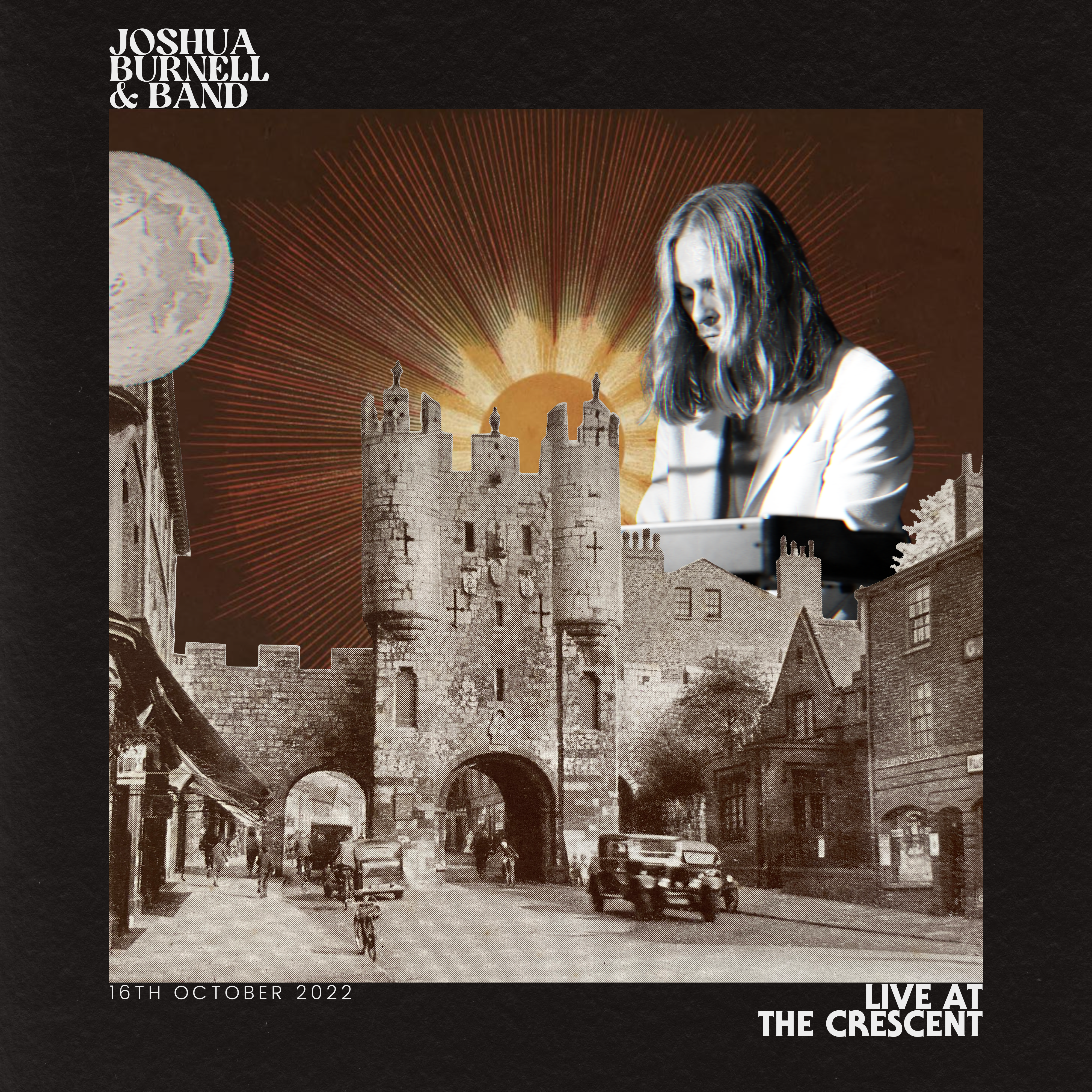
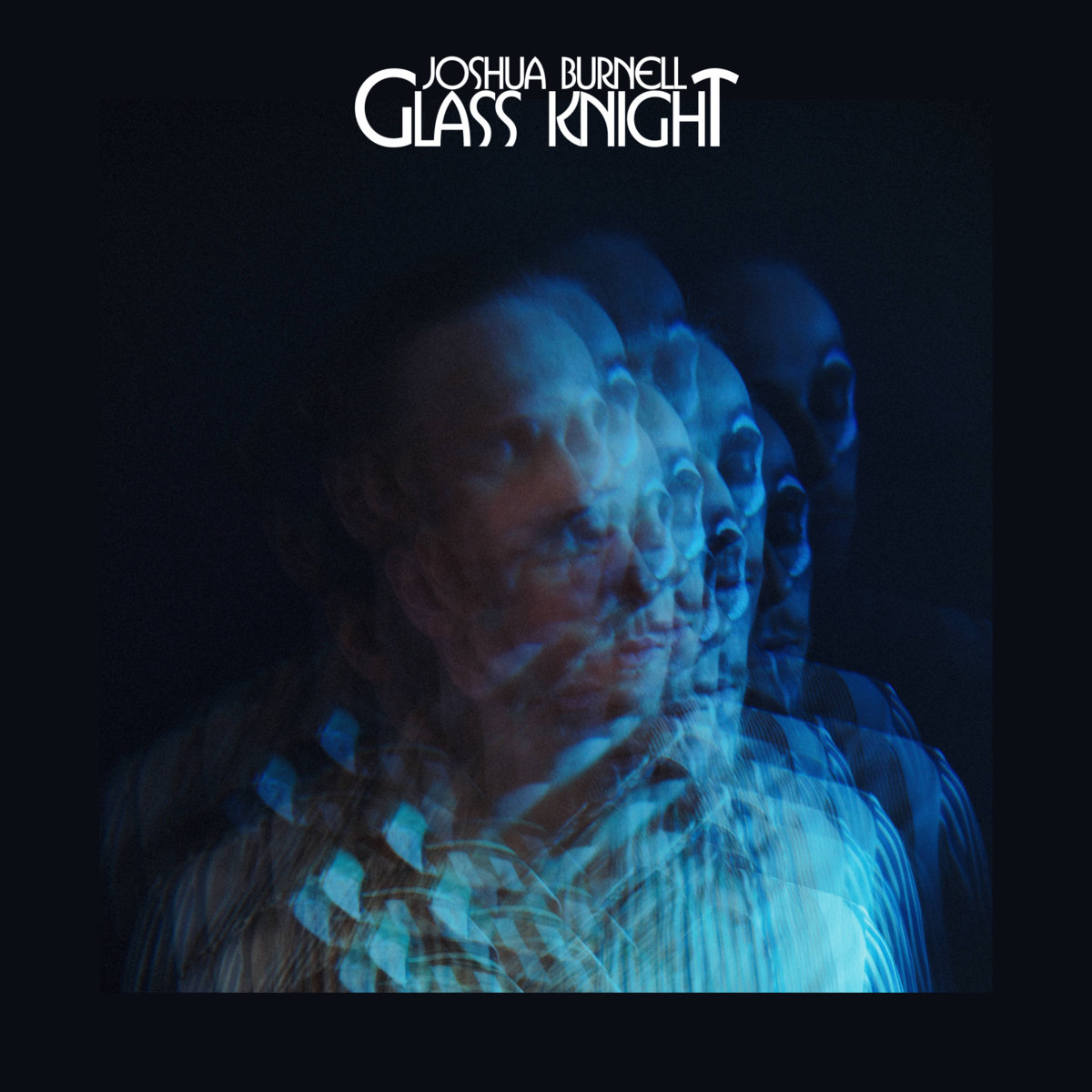
Hot on the heels of his stunning 2023 studio album, Glass Knight, released back in August, genre-fluid glam-prog-folk singer-songwriter, Joshua Burnell, follows it up with a new live album in time for Christmas.
Glass Knight, which Burnell launched when he performed on the main stage at Fairport’s Cropredy festival, picked up tons of good reviews – including from Darren’s Music Blog where I described it as “Hunky Dory-era Bowie meets folk rock meets prog” and hailed it as a bona fide twenty-first century masterpiece. Rather than giving us ‘stadium-ready’ renditions of the songs from Glass Knight, however, Live At The Crescent (recorded in the intimate setting of a gig in York in October 2022) takes us back to before Glass Knight was recorded, when many of the songs were still being worked up in readiness for the studio.
Opening with the then un-released ‘Where Planets Collide’, Burnell goes on to share with the audience a number of embryonic versions of songs that would later appear on Glass Knight, as well as some older material, including three songs from its excellent, albeit more folk-leaning predecessor, Flowers Where The Horses Sleep.
In addition to live versions of other classic tracks from Burnell’s back catalogue, there are also songs like ‘Some Things Aren’t Eroded’ and ‘Slow-Burning Cigarette’ that are yet to appear on any studio albums, giving us a tantalising glimpse of what might be coming next.
Joined by his regular band of Nathan Greaves on electric guitar, Oliver Whitehouse on bass, Ed Simpson on drums, Frankie Archer on violin and Frances Sladen on vocals; the album is a complete, unabridged recording of his concert at The Crescent that captures the immersive atmosphere of a Burnell gig.
Storm Warning won over plenty of loyal converts on the UK blues rock scene during their fifteen-year existence. I was pleased to review their latest and final album back in the Autumn of 2020. Although an impressive album its release was tinged with sadness, however, as guitarist and founder member, Bob Moore, passed away shortly after recording was completed. None of the remaining members wished to continue so Different Horizons became Storm Warning’s swansong and a lasting tribute to Bob Moore.
Happily, the story doesn’t quite end there. A chance encounter between Storm Warning’s Derek White (bass) and Ian Salisbury (keyboards), with the guitarist Steve Summers and the vocalist Mike Sebbage (both from recording project Rien de Faire) led to the inception of a brand-new band: Long Road Home.
Making their debut appearance at the Cambridge Rock Festival in June 2022 (initially with drummer, Dave Norman, but Lee Morrell was soon to step in on a more permanent basis) the band began planning gigs and putting together their debut album.
Are We Invisible? is the result. Blues rock with a touch of class and bags of soul, the album comprises eleven original tunes and it took no time at all to win me over. Driving rhythms, great vocals, catchy songs, penetrating guitar solos and divinely soulful keyboards, Are We Invisible? is a highly impressive debut.
After a hugely-successful three and a half decades together Steve Knightley and Phil Beer announced this year that Show Of Hands’ days as a touring unit would finally be drawing to a close. The recent Autumn 2023 tour marked their final outing as a trio (with Miranda Sykes) and a spring tour planned for next year will be their final hurrah as a duo. To coincide with this fond farewell, they have a new compilation out. Intended as a companion piece to their original 2007 Roots‘Best Of’ of compilation, Roots 2 offers up a whopping 31 tracks across two discs.
Steve Knightley: “We’ve always strived to evolve and experiment with our sound,, all the time staying true to our folk roots. We hope the diversity of this album demonstrates that and it will be a noteworthy addition to our discography.”
Immediate proof of just how long-overdue this follow-up compilation is, immediately comes in hearing just how many of my favourites from Show Of Hands can be found on this new collection: ‘Haunt You’, ‘The Long Way Home’, ‘Now You Know’ and, of course, ‘Arrogance, Ignorance and Greed’.
The earlier material isn’t neglected completely though. There’s a new version of ‘Country Life’, for example, recorded live in Exeter and reimagined as a gentle, reflective ballad rather than the rousing twenty-first century rural folk anthem we all love and know. And things are brought up to date with a gloriously celebratory live version of their 2021 ‘lockdown’ single, ‘The Best One Yet.’
Moving, poignant, rousing, anthemic (no-one does anthemic quite like Show Of Hands after all), Roots 2 is a sterling late-career retrospective of one of the most important UK folk outfits of the past four decades.
The self-styled ‘Gaelic Supergroup’, who have now been around some twenty-five years, are back with another new album. Sula was recorded on the Hebridean island of Bernera and captures the band in fine form performing a mix of traditional Gaelic songs and new band compositions.
Dàimh: “SULA is the old Norse name for the Gannet, the largest seabird in Northern Europe. As graceful soaring above the waves as they are swimming far beneath them, Gannets find strength by gathering together in close knit communities on isolated windswept outposts and perfectly embody Dàimh’s enduring connection to the Hebrides and their surrounding waters.”
Evocative bagpipe-led instrumentals, exhilarating fiddle-playing and the captivating Gaelic-language vocals of Ellen MacDonald, this is another album that wonderfully captures the beauty, vibrancy and resilience of the Gaelic music scene.
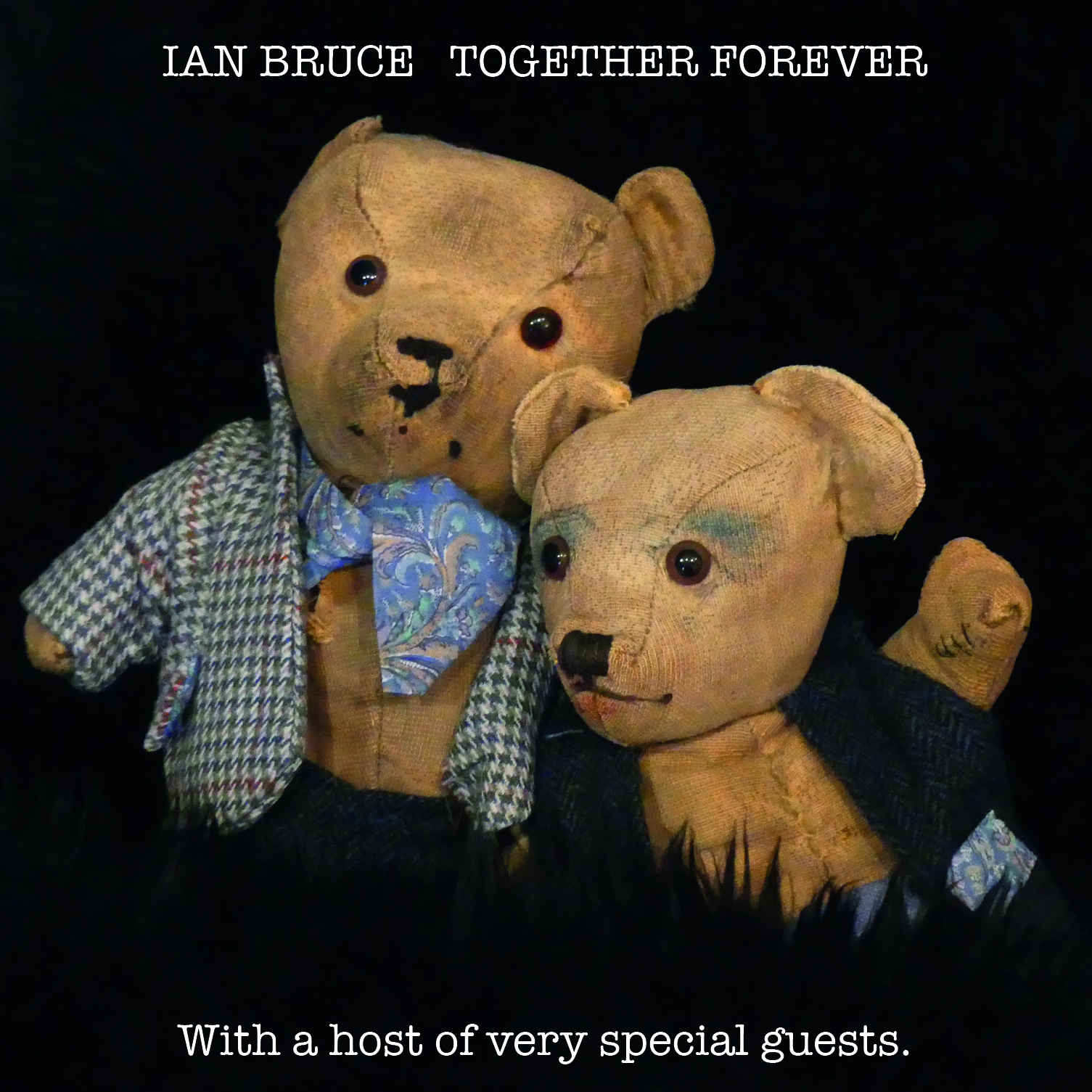
Described in the press publicity as being “the Dad’s Army of the current folk scene” the double disc album of veteran folkie, Ian Bruce, features a host of musical guests: Barbara Dickson, Bob Fox, Jez Lowe, Allan Taylor, Mike Silver and Alastair McDonald to name but a few.
Three years in the making, this ambitious project encompasses thirty-three tracks and over one hundred collaborators and initially came about as a crowd-funded lockdown project when the Covid pandemic denied Bruce his regular income as a working, gigging musician.
Ian Bruce:“Together Forever delves into personal preferences, influences and loves of the music I grew up with.”
Although there’s an acoustic folk sensibility at its heart, this is an album that spans many influences. The selections range from traditional Scottish ballads, to songs written by stalwarts of the folk revival, like the late Rab Noakes, to an impeccably tartaned-up version of Peter Sarstedt’s ‘Where Do You Go To (My Lovely)?’. The comforting familiarity of many of these songs will put a smile a smile on your face and give you a warm glow inside.
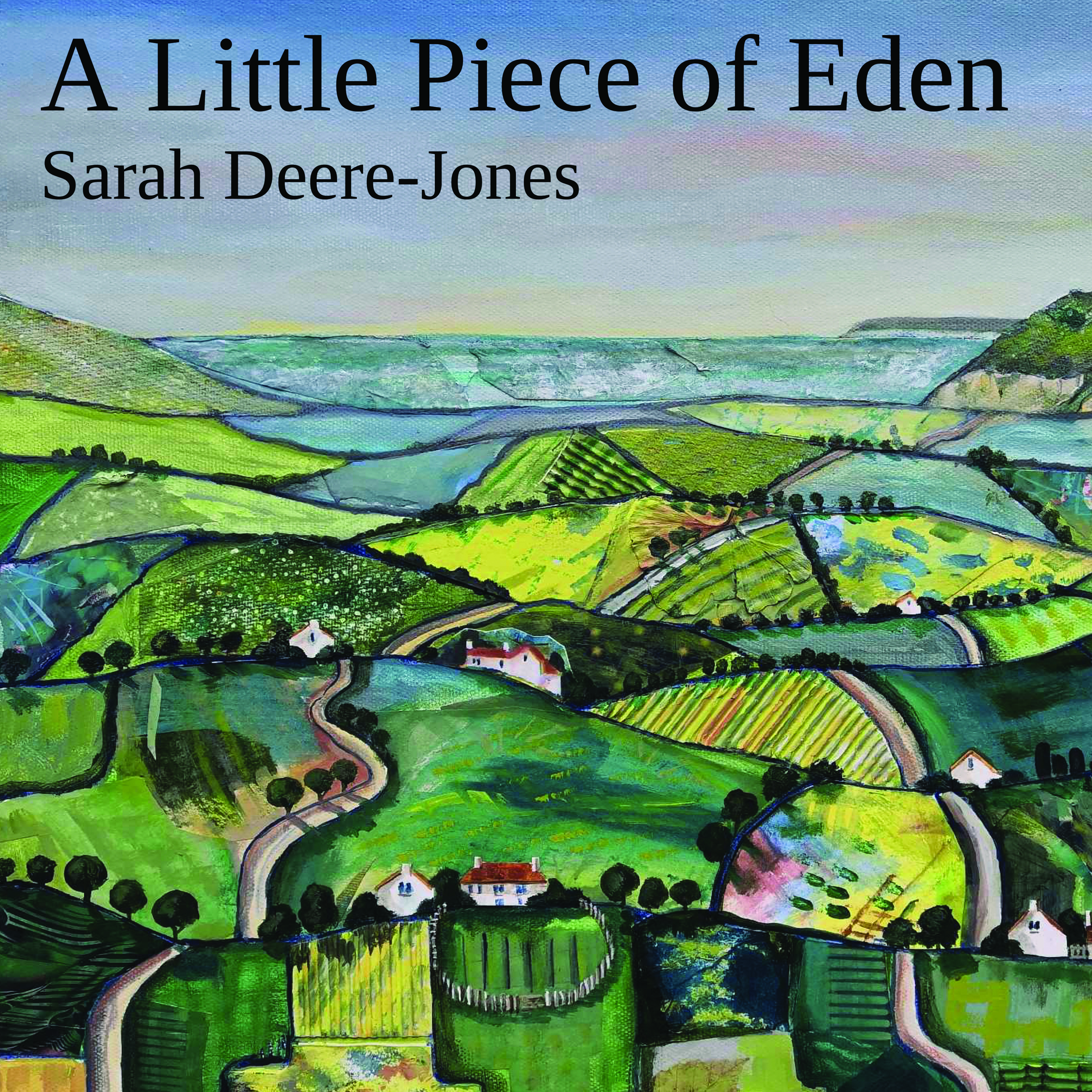
Classically-trained, professional harpist, Sarah Deere-Jones, performed for many years with symphony, opera and ballet orchestras but, latterly, she has turned her attention to performing her own arrangements of traditional songs and creating original music.
A keen environmental campaigner, Deere-Jones was inspired to put her love of nature and concern for the future well-being of the natural world at the heart of A Little Piece of Eden.
Sarah Deere-Jones:“This album particularly reflects my personal feelings on the changes in rural life, from my childhood in north Dorset, to where I live today in rural Cornwall – the crash of biodiversity, the diaspora of small communities and the damage of intensive farming, these are all changes that I have witnessed with my own eyes – but in recent years the growing rewilding movement gives us hope that these problems can be solved.”
Featuring four original songs alongside eleven traditional songs and tunes and with accompaniment from guitar, gazuki and melodeon player, Phil Williams, A Little Piece of Eden is an inspiring showcase for both Sarah Deere-Jones exquisite harp-playing and her bright-burning passion for a more sustainable future.
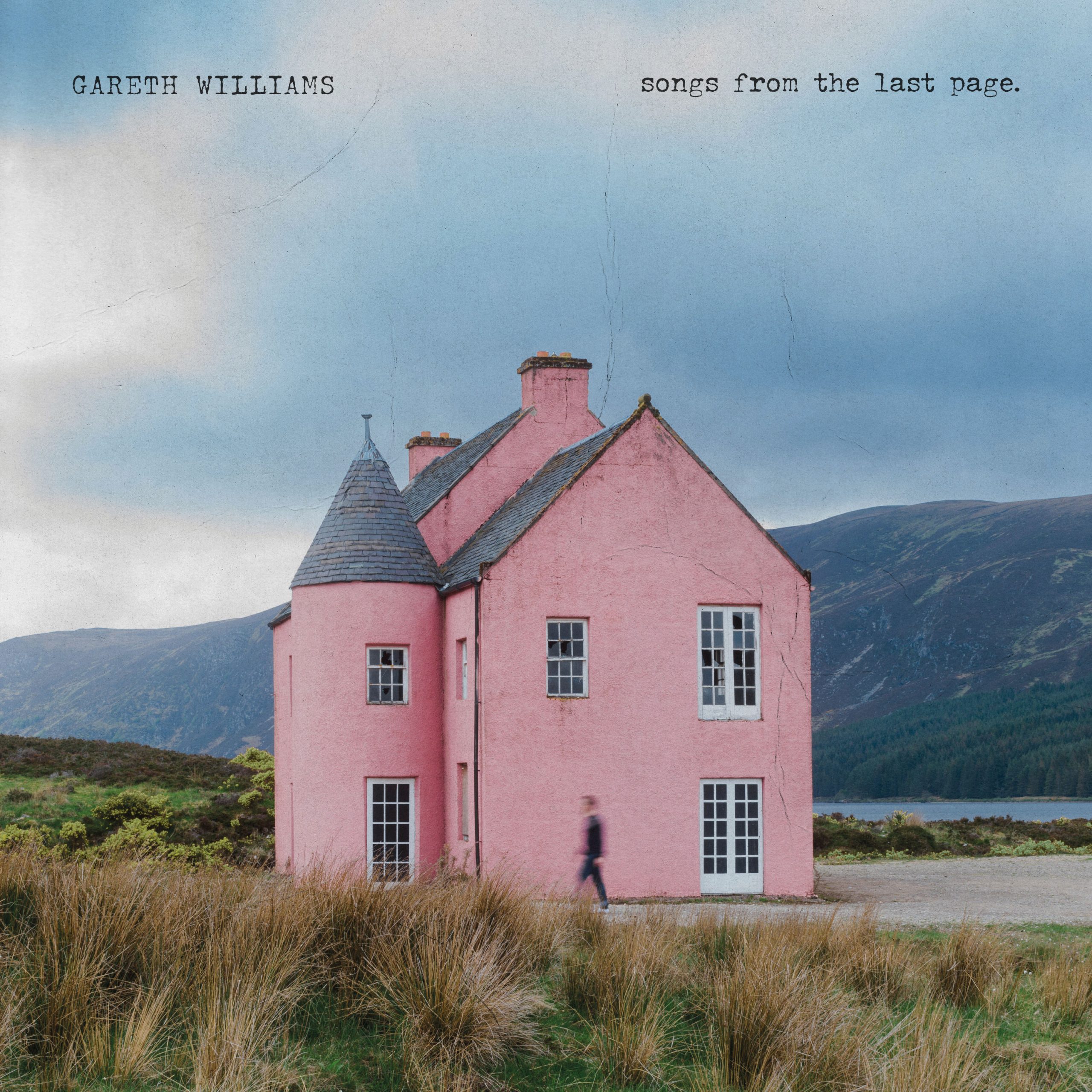
Gareth Williams is an Irish-born composer and singer-songwriter based in Scotland. As a musician he has always sought to work across musical boundaries, from musical theatre to pop, from chamber music to opera.
In using literature as its inspirational starting point, Williams’ latest project is not unusual for a folk-based album. What does appear to be a unique approach, however, is in merely using the final line of each story as the starting point for a song.
Gareth Williams:“These songs all have one thing in common – they begin on the final page of a book. And, all the books I chose for this collection also have something in common – when I read them, I didn’t want them to end. So I took what I found in the final lines, with no words added and none taken out, and built verses, choruses, bridges, and refrains. Stories never stay on the page anyway – these ones just became songs.”
In the hands of someone less talented this could have fallen flat and risk taking us into the realms of gimmickry. But in Songs From The Last Page, Gareth Williams pulls off something that is both thought-provoking and musically interesting. Some of the books referenced I knew (Sherlock Holmes and Treasure Island – for example). Others I was completely unfamiliar with. Nevertheless, Williams’ skills as a songwriter and musician were enough to draw me in, his somewhat sombre piano providing the main musical backdrop to each of these literary flights of fancy.
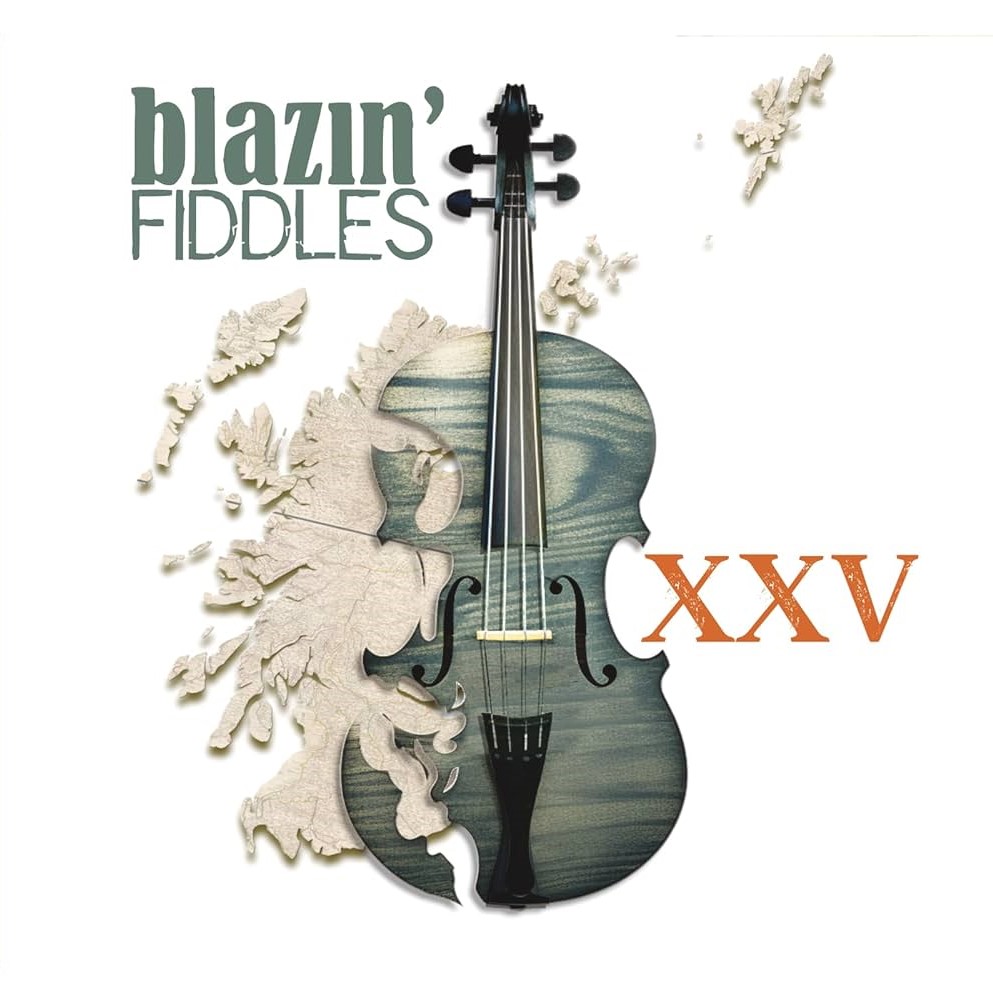
Always entertaining on stage, Blazin’ Fiddles (a project that initially started out as one-off collaboration for a short five-day tour) mark their twenty-fifth century anniversary with a new release.
Recorded as-live in the studio with the aim of capturing the spontaneity of a concert performance, the album features a line-up of Bruce MacGregor, Rua Macmillan, Jenna Reid and Kristan Harvey on their respective fiddles who are joined by Anna Massie on guitar and fiddle and Angus Lyon on piano.
Blazin’ Fiddles: “Our purpose as a band has been to promote the fiddle styles of the highlands and islands and you will find the melodies of these traditions are to the fore. We’re also a band that loves to travel and absorb cultures, so we have melodies from our trips and adventures as well as a number of new compositions by band members.”
XXV is an invigorating music celebration from a band who have more than earned their place as a fixture of the Scottish traditional music scene this past quarter of a century. Highly enjoyable.
UK-based Leonardo Giuliani is a guitarist and singer-songwriter whose music embraces elements of rock, blues, country and folk. Featuring thirteen original songs, Rogue, which came out back in February, is Giuliani’s debut album.
His sound is primarily influenced by artists and bands from the late ‘60s and ‘70s, “from acoustic singer-songwriters to electric jam bands, all of whom played something different every night and made every performance unique,” he tells us. In 2019 he had the honour of being invited to sit in with one of his blues heroes, Buddy Guy, playing at his Legends club in Chicago.
It’s clear from the album’s opening tracks that this an artist who has spent considerable time soaking up a rich array of blues influences and he’s an impressive guitarist with some nifty blues licks. As Giuliani himself stresses, however, it’s not the only string to his bow and the Americana and golden-era singer-songwriter influences shine through, too, particularly on tracks like the sublime ‘A Thousand Miles Away From Home’.
Recorded at Forward Studios in Rome and The Switchyard Studio in Nashville, Rogue is produced by four-time Grammy award winner producer, Tom Hambridge, whose empathetic production helps give the album and impeccably authentic blues/Americana feel. Hambridge also contributes drums to the album, alongside Phil Palmer on rhythm guitar, Mick Brill on bass and Peter De Girolamo who provides some deliciously soulful keyboards.
Encompassing folk, rock, glam, prog and much more besides – probably no-one better captures the diverse range of artists I try to cover at Darren’s Music Blog than Joshua Burnell.
I reviewed his last album, Flowers Where The Horses Sleep, noting that “for all the quirky left-field musical influences, these freshly-composed songs still manage to retain a strong folk sensibility.” This time, however, Burnell has thrown away the genre rule-book entirely. Glass Knight is a stunningly impressive album and I was privileged to witness him formally launch it at this year’s Cropredy where I described it as “Hunky Dory-era Bowie meets folk rock meets prog”.
Burnell effortlessly plays around with all of these musical strands to come up with something that’s unique, original and utterly compelling. And, importantly – whatever the genre – it’s jam-packed full of damned good, instantly hummable tunes. He’s a wonderfully inventive songwriter and a talented multi-instrumentalist and, once again, demonstrates an instinctive ear for a catchy melody and a poetic turn of phrase.
A concept-album of sorts, with a central character appearing across its ten tracks, Glass Knight encompasses everything from ecological destruction and sci-fi apocalypse to a reworking of an ancient folk tale. From the epic ‘Where Planets Collide’ which introduces the album’s central character, to the delicately poignant ‘Out Of These Worlds, to the retro glammy-sounding ‘Last Rain’ to the impossibly catchy ‘Don’t Lose Your Faith’ to the Ziggy-esque swagger of ‘Lucy’ this is an album I just cannot stop playing. In Glass Knight Joshua Burnell has turned out a bona fide twenty-first century masterpiece.
Hailing from Dartford in Kent, Tizane began writing songs as a young teenager when chronic anxiety issues forced her to miss much of her schooling and spend many hours in her bedroom. By 2019 she began venturing out on to the open mic scene around the west Kent/south-east London borders where her talents as both a writer and performer were spotted by independent label, Burning Girl, who released her well-received debut album Cherry back in 2021.
The 22-year old singer, songwriter and multi-instrumentalist has now followed that up with a second album, released on the same label earlier this Summer. Coming out towards the end of June Forever Is Nothing has picked up a slew of positive reviews.
The album is engineered by Pat Collier, a founder member of London punk band, The Vibrators, who has gone on to produce for artists like The Jesus and Mary Chain, Primal Scream and X-Ray Spex.
Collier says of Tizane:“I think she’s (Tizane) one of the most talented and gifted artists I’ve ever had the pleasure to work with.”
Tizane shares writing credits on the album with fellow band members: guitarist, Charlie Harris; bass player, Nathan Gordon; and drummer, Greg Titmarsh.
Of particular interest to those who come to Darren’s music blog mainly for the glam content, however, is the track ‘Every Minute’ which is co-written with former Mud guitarist, Rob Davis. As well as writing songs like ‘L-Lucy’ for Mud, he went on to have an illustrious career as an in-demand songwriter long after the Mud hits dried up, most notably co-writing the Kylie Minogue smash-hit ‘Can’t Get You Out Of My Head’.
Deliberately taking a slightly more muscular approach than its predecessor but still providing plenty of light and shade, Forever is Nothing is a pleasing blend of riff-driven alt-rock and jangly, brooding gothic pop. This, her second album, is an impressive showcase for Tizane’s haunting, ethereal vocals and intelligent, thought-provoking songwriting.
If this type of music is your bag and if you aren’t familiar with her work already, Tizane should certainly be right up there on your ‘one-to-watch’ list.
“Vibrant, inventive and joyful” is how I summed up The Light Of The Moon, the second album from Gnoss, when it was released back in 2021. Now they are back with a follow-up, Stretching Skyward. Always vibrant and joyful, the inventiveness, too, certainly continues on this, their third album. Containing all original material, save for a cover of Gillian Welch’s ‘Hard Times’, the album fizzes with virtuoso musicianship, enticing melodies and rich sound textures. And in ‘Hamnavoe’ the second track on the album that celebrates Orkney’s Viking heritage and mythology (written, like the other original songs on the album, by vocalist Aidan Moodie), they have turned out a genuine, bona fide folk anthem.
Aidan Moodie:“Each track is centred around a story that has change at its heart. Those stories gave us pause to look at the change that’s taken place in our own lives over the past few years. We wanted to reflect this idea within the sounds we used to construct the album.”
Once more with the established line-up of Aidan Moodie, Graham Rorie, Connor Sinclair and Craig Baxter, this album again features Braebach’s James Lindsey on electric and double bass. In keeping with the theme of change though, the band embrace less traditional sounds, too, including synths, electronic samples and state-of-the-art production techniques.
A stunning album from a band demonstrating they are still very much at the top of their game and passionate about their rightful place at the cutting edge of Scottish folk.
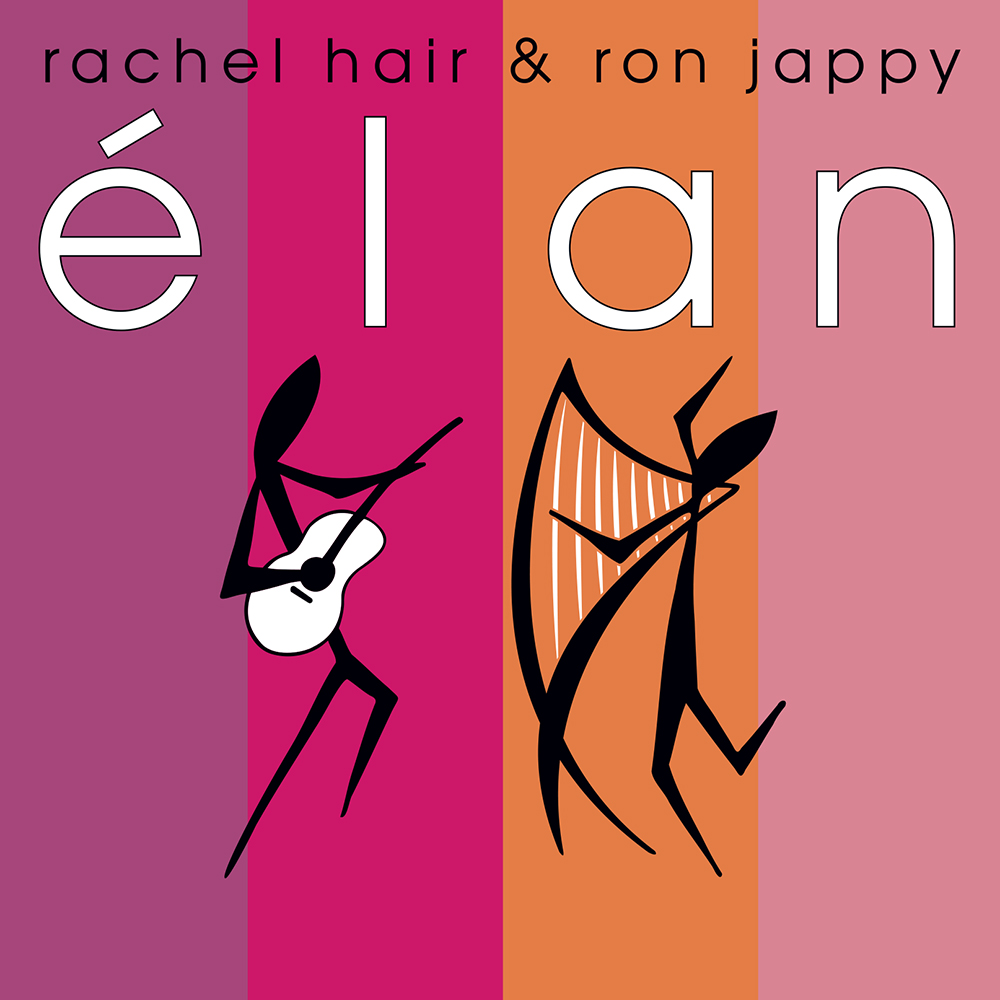
Both highly sought-after musicians on the Scottish traditional scene, harpist, Rachel Hair, and guitarist, Ron Jappy, first came together to record as a duo back in 2019 with the album Sparks. Élan is the pair’s long-awaited follow-up comprising Hair’s original compositions alongside a number of traditional tunes and a handful by other contemporary writers.
Rachel Hair:“Élan is more closely related to who we are as musicians and people, than my previous releases. There are nods to my Highland background, with tunes from the Captain Simon Fraser collection, tunes I’ve written to do with Ullapool and Lochbroom, as well as pipe tunes. There are also sets of Irish tunes as a nod to the Glasgow-Irish music scene, and from the Isle of Man where my husband is from.”
A delightful album, the distinctive combination of acoustic guitar and harp brings a fresh perspective to traditional Celtic music and the duo’s treatment of tunes, both new and old, is invigorating and rather moreish. An album I’ll definitely want to return to.
Gavin Marwick & Wendy Stewart – Quarterdays: Whitsun
Whitsun is the second release in a series of EPs released by fiddle-player, Gavin Marwick, under the banner of the Quarterdays series of EPs being released across 2023. On this release, featuring new contemporary tunes composed by Marwick in a traditional style, he is joined by the renowned Galloway harpist, Wendy Stewart, with whom he also works in the alternative/folk string quintet, the Galloway Agreement.
Gavin Marwick & Wendy Stewart:“This second EP is a voyage of discovery into the lore and history of Whitsun. It’s a celebration of May and the beginning of the summer – the beasts are now all out in the fields, the primroses are still blooming – and in religious/spiritual terms it is mixed in with Pentecost and Beltane, holy wells and weddings. There are balmy warm days yet still the chance of bitter cold.”
While I’m late coming to this, the beautiful melodies and gentle interplay between Gavin Marwick’s fiddle and Wendy Stewart’s harp perfectly capture the atmosphere of a warm late-spring and come next May I’ll definitely be celebrating my favourite time of the year with a few spins of the Quarterdays: Whitsun EP.
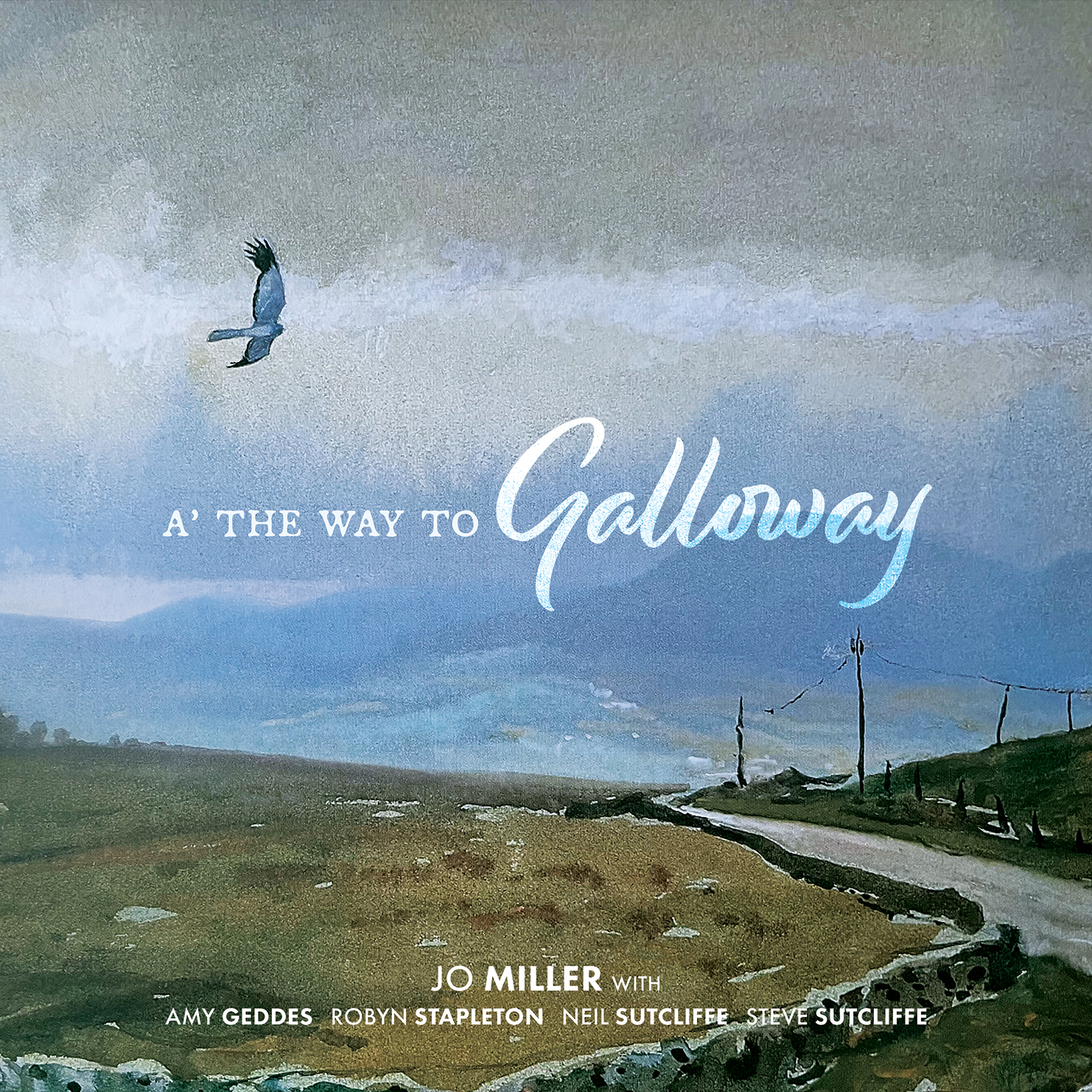
An album of traditional songs and tunes from the Galloway area of south-west Scotland, singer and fiddler, Jo Miller, is joined by several musicians with close connections to the area. Miller is well-known for her work in community-based traditional music, formal education, and academic research. This recording draws on her research in the uplands of the Glenkens where she grew up, interviewing local residents and investigating historical sources.
Jo Miller:“I’m delighted to be sharing these songs and tunes which all have a personal association for me. You will also hear the spoken word, birdsong and singing for dancing – an aural landscape which not only evokes the former life of the Glenkens and its people, but also points toward its lively music culture in the present.”
Both poignant and entertaining, not to mention being a wonderful piece of living social history (with the performances on the album seeking to recreate the intimate atmosphere of performances at rural schools, individual homes and small schoolhouses where these songs were traditionally performed), A’ The Wat To Galloway is a wonderful celebration of the music and cultural life of this particular corner of Scotland.
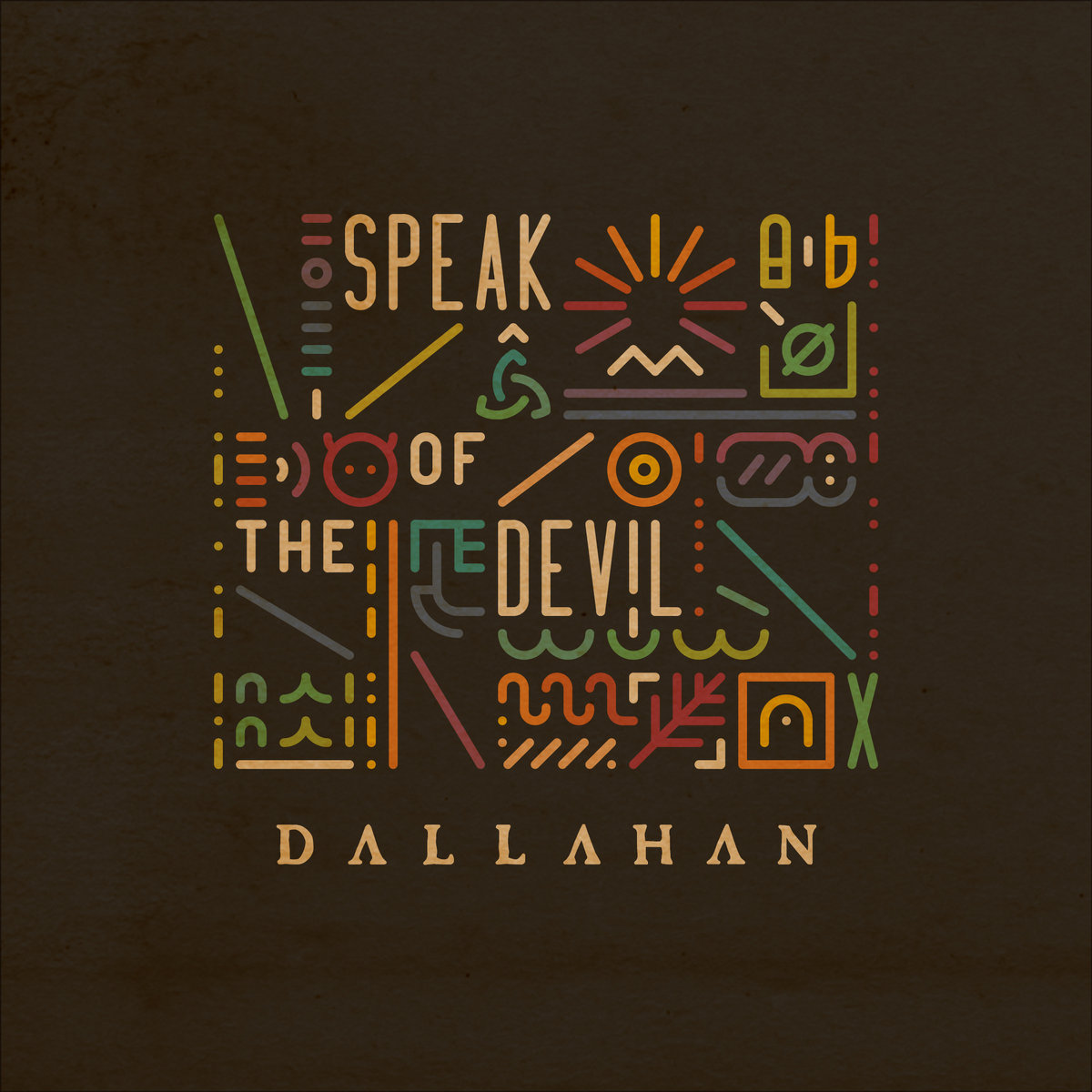
With a blend of traditional Scottish and Irish folk, fused from a melting pot of gypsy melodies, bluegrass, Spanish, and Balkan influences (and much more besides!) Dallahan are Jack Badcock (guitar), Ciaran Ryan (banjo and mandolin), Andrew Waite (accordion and Benedict Morris (fiddle). Formed a decade ago, Speak of the Devil is the band’s fourth album.
Jack Badcock:“We believe it’s the band’s most accomplished and assured album to date. It’s been a while in the melting pot because each member of the band was incredibly busy with commitments as Covid eased off and the music world opened up again – not least Ciaran who was still working at a job he picked up during the pandemic as a fine dining chef!”
Featuring ten tracks of original material (four songs and six tunes) Speak of the Devil showcases a band that exudes confidence and creativity and is never afraid to be that bit different. The plethora of different influences and traditions that the band pull into their music, from the nifty banjo-playing to the jazz-like licks to the Spanish and Latin-American themes in the song lyrics, means that this album will appeal far beyond the confines of traditional folk, with much to enjoy here for devotees of bluegrass, world music and more.

















 Darren's music blog