Based in Worthing on the West Sussex coast, Greg Harper is a singer-songwriter whose most recent album, Vignettes, came out in September.
While the songs were mainly written during lockdown they were initially recorded as ‘bare bones’ demos comprising just Harper’s vocals and acoustic guitar. However, Harper then worked with producer and multi-instrumentalist, Paul Linale to flesh them out more fully into an album, with the latter contributing piano, guitars, bass drums and percussion.
Harper’s songwriting has long explored a variety of ecological themes, from fracking to the decline of the bee population to the loss of ancient Woodland, and this latest album is no exception.
Although it is ostensibly a song that looks back to the 1953 North Sea Floods, the impending threat of devastating climate change in the modern age is really the overarching theme. Climate Change is the key theme of ‘Gathering Storm’ on reference, Taking The Time, meanwhile, is an intimate celebration of the sounds of the natural world.
Another track, ‘The Old Boneyard’, is a tribute to the occupants of Worthing’s Broadwater Cemetery, both those who were laid to rest there as well as the flora and fauna who have made it their home. “Once lovingly maintained by James Stoner, its sexton for 27 years. Now a haven for nature, contemplation, memories and imagination,” notes Harper.
That element of local history and sense of place is another thread running through the album, too. ‘Twenty Miles From Shore’, is a song about his own uncle’s experiences aboard the HMS Wren which was sunk off the coast of Aldeburgh in Suffolk during World War Two; whereas ‘The Fire Inside’ is a celebration of the joys of heritage stream railways.
Vignettes is a thoughtful, thought-provoking album that’s been lovingly put together by Greg Harper and his musical collaborator, Paul Linale.
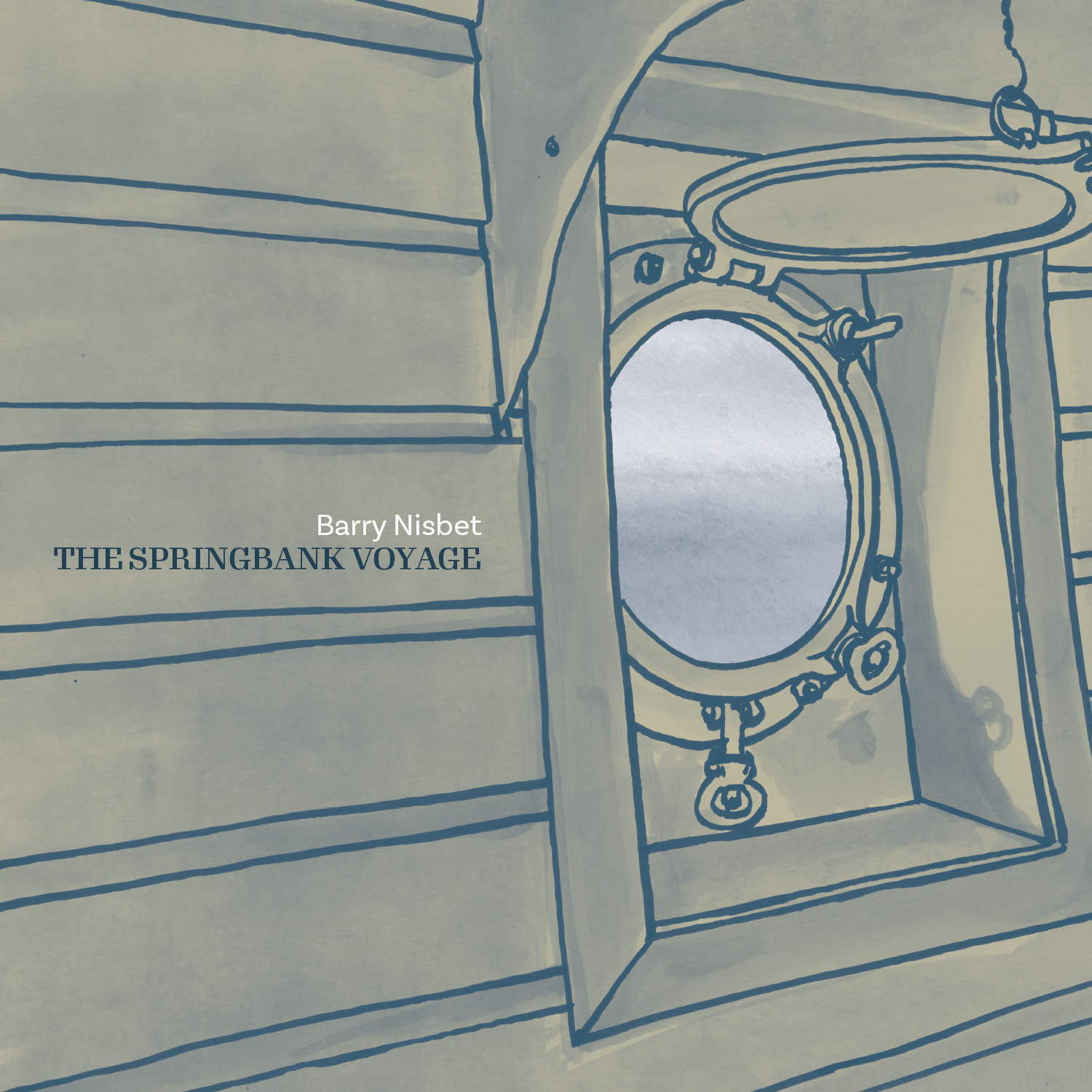
Springbank Voyage, the new album from Shetland folk musician Barry Nisbet tells the story of the Springbank and the ship’s perilous voyage around Cape Horn as it made its way from Europe to Mexico. The ship’s crew included several Shetlanders and Orcadians.
Nisbet: “The story of the Springbank has fascinated me since I first heard it from storyteller Lawrence Tulloch in Shetland as a child; my retelling for this album is inspired by many of my own experiences sailing square rig ships in the Pacific between 2000-2008.”
A skilled guitarist and fiddler, Nisbet’s musicianship and gift for storytelling are both on display here. The album features a strong cast of supporting musicians as well as some spoken interludes that provide some fascinating historical insights into the dramatic and often traumatic story of the Springbank.
Described herself on her website as a “multi-tasking, foot tapping, piano and accordion playing singer and story-weaver”, the debut album from Katie Grace Harris was released in August. The Toledo Sessions shows huge promise, both in terms of Harris as musician and songwriter but also in her ability to pull in some of the big names among folk royalty. ’ The album includes two songs developed in collaboration with Reg Meuross as well as featuring musical contributions from Phil Beer, Odette Michell and Lukas Drinkwater.
Harris traces her folk roots to singing along with her dad on family car journeys as a child. The car in question was a Triumph Toledo, hence the title of her debut album. Harris:“We would sing songs from Joni Mitchell, The Spinners, Ralph McTell and James Taylor.”
Clearly, those car journey left their mark and listening to her album we witness both some fine original songwriting as well as some entertaining but gently enigmatic arrangements of more familiar traditional songs, too.
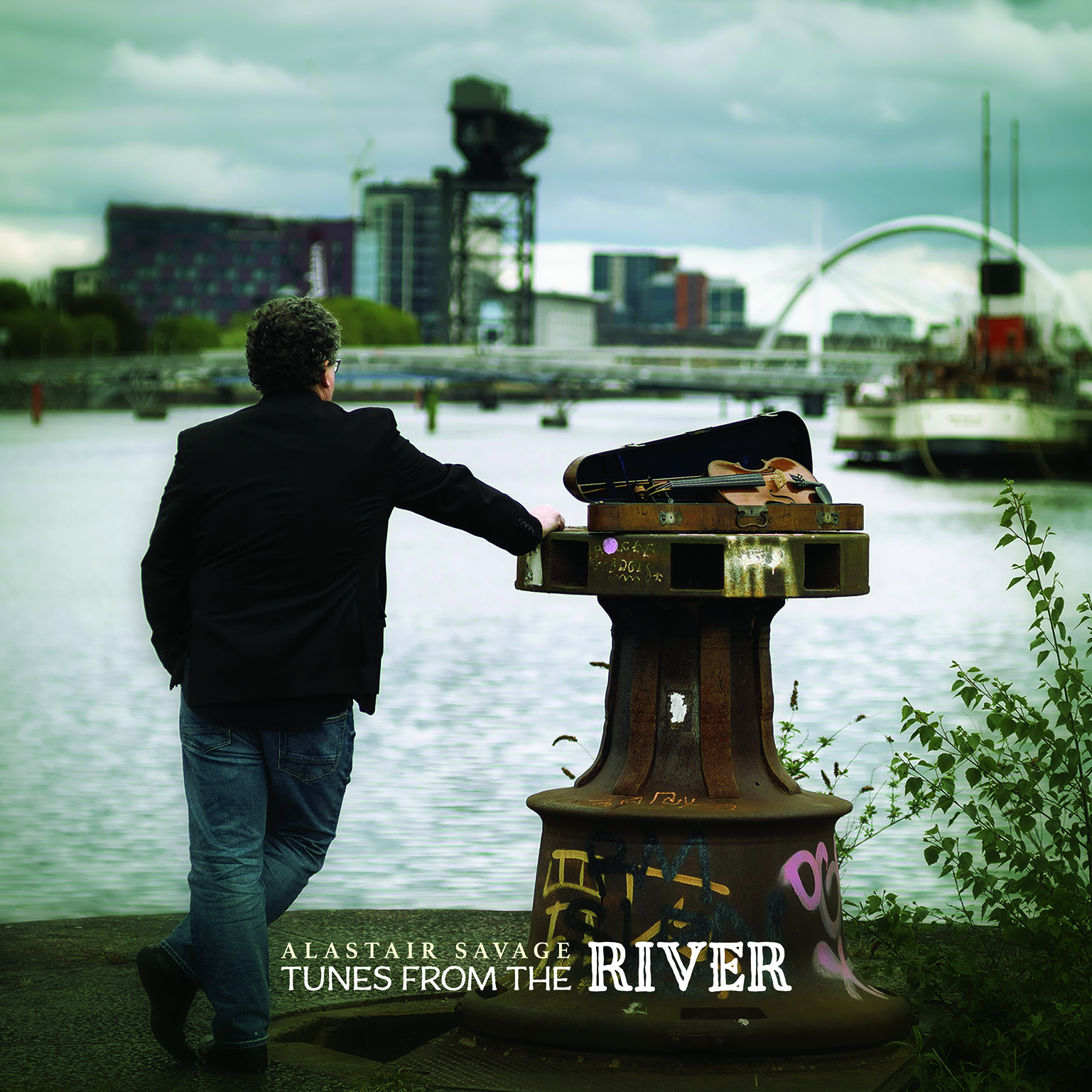
Alastair Savage has established an impressive CV across the worlds of classical, popular and folk music. A member of the BBC Scottish Symphony Orchestra since 1997, he has also worked with many leading artists including Belle and Sebastian, Karen Matheson, Justin Currie, Ricky Ross and legendary Scottish band The Whistlebinkies. As a renowned fiddler and solo artist, he’s put out numerous albums. Tunes From The River, released in August 2022, is his sixth album, to date.
It features music composed by Savage over the past decade, presented in a mixture of studio and live and studio recordings. This collection of tunes is the final piece of a planned trilogy of albums following the unaccompanied fiddle album Alone With History (2016) and When Barley Reaches Shore (2018) which features long-term collaborators Euan Drysdale (piano and guitar) and Iain Crawford (double bass).
This final release in the trilogy again features Crawford and Drysdale alongside an impressive line-up of musicians on the Scottish folk scene. These include flautist Eddie McGuire, piper Rab Wallace, woodwind virtuoso Ewan Robertson and fiddler Pete Clark, alongside two celebrated Finish musicians, Vilma Timonen on kantele and Timo Alakotila on piano.
The title track, ‘Tunes From The River’, is dedicated to those lost in the Clutha Bar helicopter disaster in Glasgow in 2013; whilst ‘The Rocks Of Kilchoman’ is a tribute to those who lost their lives in the HMS Otranto shipping disaster off the coast of Islay towards the end of the First World War.
Other tunes on the album have been inspired by the Scottish islands of Skye, Harris and Lewis as well as Savage’s Ayrshire homeland. If you like your fiddle playing haunting, evocative and exceptionally beautiful then do check out the tunes on this album.
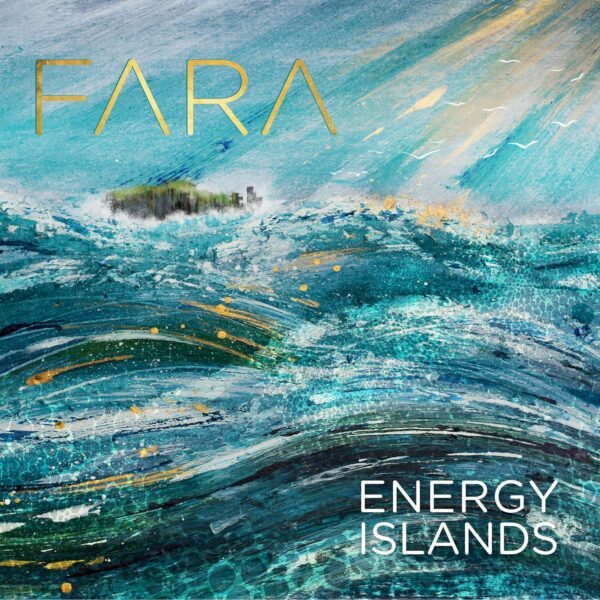
Now onto their third album, FARA are the Orkney folk musicians, Kristan Harvey, Jeana Leslie and Catriona Price who each play fiddle, along with newer member, Rory Matheson, on piano.
As someone who is passionate about both Scottish folk and tackling the climate crisis there’s lots to love about this album which has been inspired by Orkney’s embrace of renewable energy. 100 per cent of the islands’ electricity needs are now regularly met through local renewable sources (predominantly wind power but also solar and heat pumps) and it has meant that Orkney now produces more energy than the National Grid can actually take. Catriona Price:“Having been born and raised among the breath-taking natural beauty of Orkney, we wanted to highlight its role in raising awareness and curbing the climate crisis.”
Featuring a mix of songs and tunes, the result is a rather stunning album with a very important message at its heart. There have been quite a few folk albums with an ecological message, of course, but this is something innovative and unique. Fantastic melodies, rich harmonies, great storytelling and wonderful interactions between the four talented musician, Energy Islands is well worth a listen.
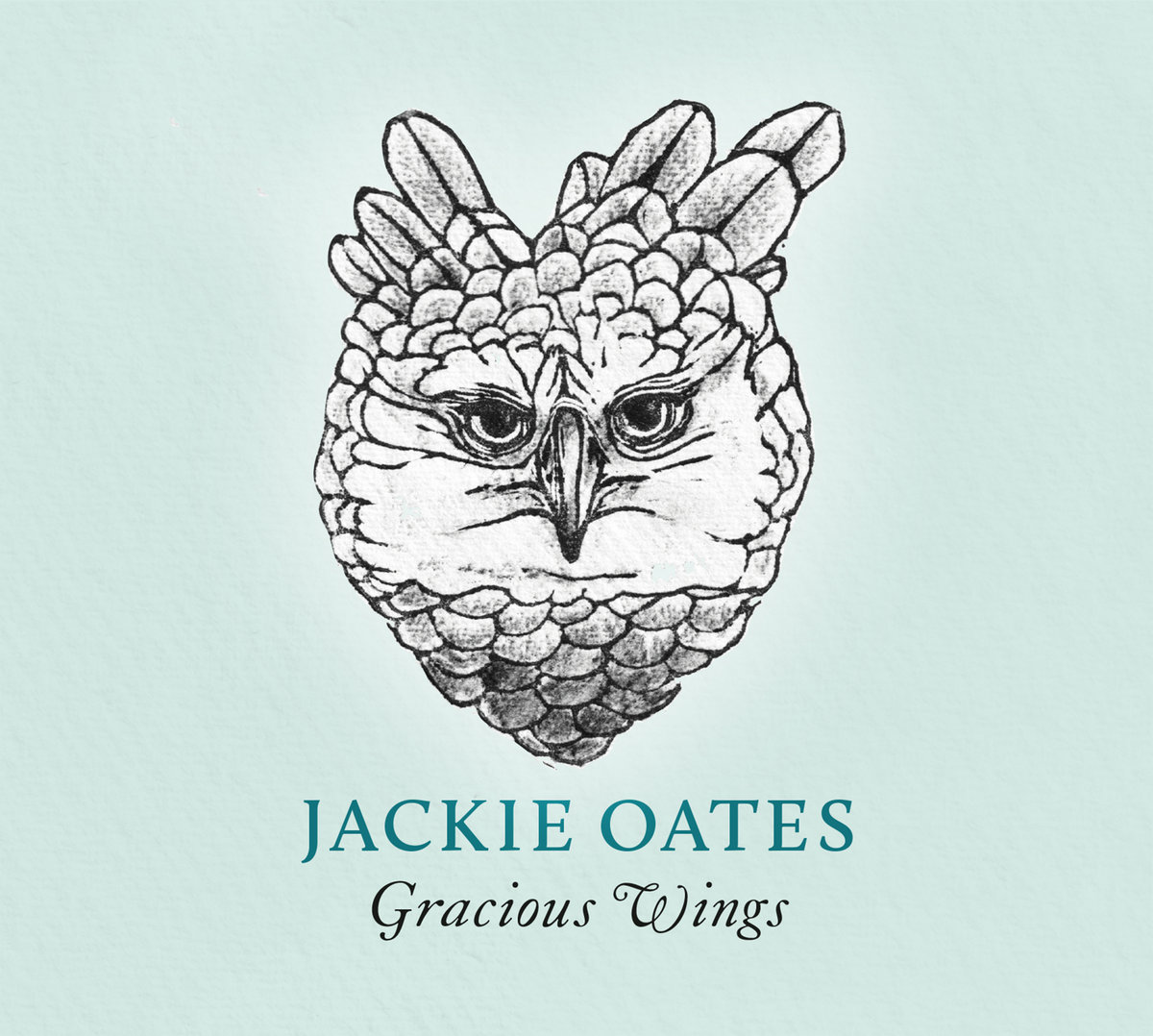
Kicking off a career in folk back in 2006, Jackie Oates has been an industrious presence on the traditional music scene ever since, this latest release being her eighth studio album. With a guest artist list that includes John Spiers, Mike Cosgave, John Parker, Megan Henwood and Jon Wilks who each complement Oates’ pure, delicate vocals and beautifully warm viola-playing, Gracious Wings is her first solo album in four years.
Oates describes the eleven-piece album as a mixture of “traditional English folk songs, self-penned material and the odd unexpected cover version.” Of the latter, the album includes a cover of ‘Time Time Time’ by Tom Waits as well as a rendition of the song ‘On and On’ by British indie-rockers, The Longpigs.
Traditional material includes songs like ‘The Ship In Distress’ which Oates discovered while researching for material for a project with Kathyrn Roberts, which celebrated the work of Cecil Sharp, as well as a rendition of the Basque folk song, ‘Iruten Ari Nuzu’ (I Am Making Wool)’. Self-penned material includes ‘Robin Tells Of Winter’, written during lockdown in the winter of 2021. Oates: “We were all longing for signs of summer and an end to the perpetual ‘frozen in time’ feeling.
From a consummate musician, engaging singer and thoughtful songwriter and interpreter of others’ material, Gracious Wings is a welcome addition to Jackie Oates’ illustrious catalogue.
The Cathodes are a Greater Manchester-based synth-rock band and their debut album, So Clear, came out this summer. The band describe themselves as “influenced by the melodies and sounds from the ‘80s with a small dash of the ‘60s thrown in.”
The three-piece are Dave Forward (lead vocals, guitar, keyboards), Paul Cargill (bass, backing vocals) and Barbara Verrall (keyboards, backing vocals). Although relatively new all three are experienced musicians with an extensive track record playing in local bands. Classically-trained, Barbara Verrall teamed up with Dave Forward after meeting at a local church. The duo then came across Paul Cargill at an open mic night in the Derbyshire village of Charlesworth on the outskirts of Greater Manchester. The Cathodes was born, the trio finally coming up with the name just two days before the UK went into lockdown back in 2020.
Although I must confess to often finding a lot of the music of the ‘80s a little synthetic and over-produced and it wasn’t particularly my thing at the time (even though it’s the backdrop to my youth!), So Clear is a tasteful and intelligent album with great melodies and thoughtful lyrics. Songs like ‘North Of England’ (written by Forward’s then musical collaborator, Jon Dean, and originally recorded by the duo back in the 1980s) perfectly captures a mood and immediately takes me back to my own teenage years in Preston around that time.
‘In From The Cold’, meanwhile, is the band’s latest single and, like the majority of tracks on the album, is written by Forward. Written back in 1990 and inspired by Forward’s many late-night freezing walks as a student, it was finally recorded in 2021 and features some superb lead guitar from guest guitarist, Dave Townson, but also includes some classic analogue sounds from the 1980s giving the track a real ‘80s feel.
The album was voted number one in the Chart Of Gold over nine consecutive weeks and for any lovers of ‘80s synth-rock is well worth seeking out.
Released: July 2022 by Creative Dreams & Music Network





 Darren's music blog